 Main menu

Commercial Gaming
Las Vegas Casinos Not Connecting with Young Bettors, Says Activist
Posted on: August 6, 2025, 12:13h.
Last updated on: August 6, 2025, 02:21h.


- Conservative activist Robby Starbuck says Las Vegas casinos have a problem with younger demographics
- He says the under-40 crowd would rather bet online
- Las Vegas marketing doesn’t resonate with younger people, he says
Recent visitation data confirm Las Vegas is struggling. In the opinion of one conservative commentator, one of the reasons why is casinos’ inability to connect with younger bettors.
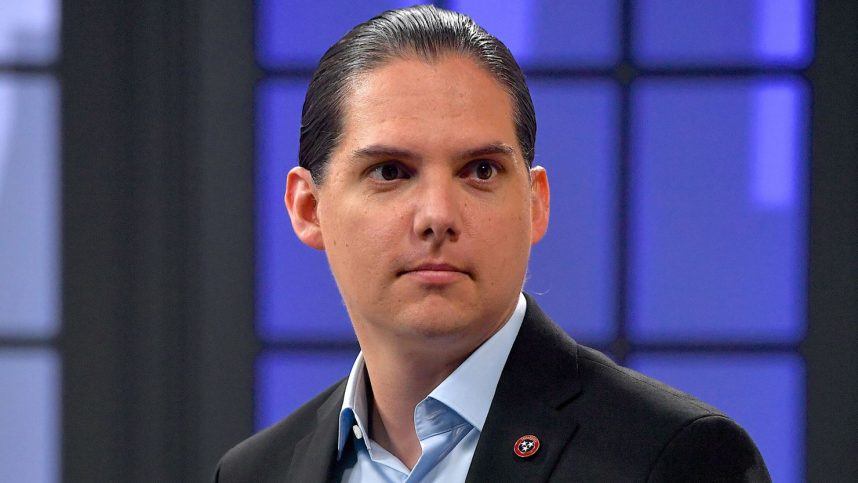
Robby Starbuck, conservative activist and host of “The Robby Starbuck Show,” recently said land-based casinos, including those on the Las Vegas Strip, aren’t priority visits for the 40-year-old and under crowd — a scenario amplified by the fact they can simply stay home and bet on their smartphones.
Now nearly everyone under 40 who bets seems to do it online,” Starbuck said in an interview with Fox News Digital. “I don’t know one person under 40 who goes to Vegas regularly to bet or play slots.”
Starbuck, previously a congressional candidate in Tennessee, is painting with broad strokes regarding the demographic commentary, but there is evidence suggesting millennials aren’t as casino-enthusiastic as their older counterparts. For gaming companies, that situation is exacerbated by the oldest members of Generation Z — those born roughly between 1997 and 2016 — being even less inclined to visit brick-and-mortar gaming venues.
Writing on the Wall for Las Vegas Casinos
Second-quarter earnings reports from Caesars Entertainment (NASDAQ: CZR) and MGM Resorts International (NYSE: MGM), the two largest Strip operators, confirm lethargy in the US casino center, but those companies and others aren’t pinning it on younger bettors.
On the other hand, there is something to Starbuck’s assertion that millennials and Gen Z would rather wager from the comfort of their homes. BetMGM recently boosted its 2025 financial guidance while Caesars said the second quarter was one of the best on record for its digital unit. Those are signs iGaming is thriving with demographics coveted by gaming companies.
Starbuck said it’s a combination of younger generations needing less in-person social interaction than their older brethren, and old-school Las Vegas marketing not resonating with younger customers.
“Another differentiator is that older generations focused on real-life interaction, while younger generations feel just as content with parasocial online experiences,” he said in the Fox interview. “The Vegas marketing image is one centered on slots and showgirls, two things young people have no interest in.”
How Millennials, Gen Z Are Betting
If the under-40 crowd is as Las Vegas-averse as Starbuck claims, it’s worth examining where they are gambling. Millennials and Gen Z make up the majority of sports bettors — an activity that’s live and legal in 38 states. However, iGaming is permitted in just seven states, potentially signaling younger bettors are wagering with unregulated sites or sweepstakes casinos.
It’s possible, if not likely, that many younger gamblers are also turning to prediction markets as an alternative form of wagering, and one that quells the desire to set foot in traditional casinos.
Some experts have also argued that with millennials and Gen Z, gambling can take on different forms beyond slots, table games, and sports betting, noting that with those demographics, the wagering universe often includes assets such as cryptocurrency and highly speculative meme stocks.

 Most Read

Another Shooting Near Las Vegas Strip Casino Injures Man
 972,539 views

Vintners Oppose Napa Valley Casino
556,158 views



Conversation (1 comment)