 Main menu

Vegas Myths Busted
VEGAS MYTHS BUSTED: Near Misses are Close
Posted on: September 7, 2026, 07:21h.
Last updated on: September 7, 2026, 09:58h.


Gamblers love to say they were “so close.” Casinos love that gamblers love to say they were “so close.” And neuroscience loves explaining why that feeling is complete nonsense.
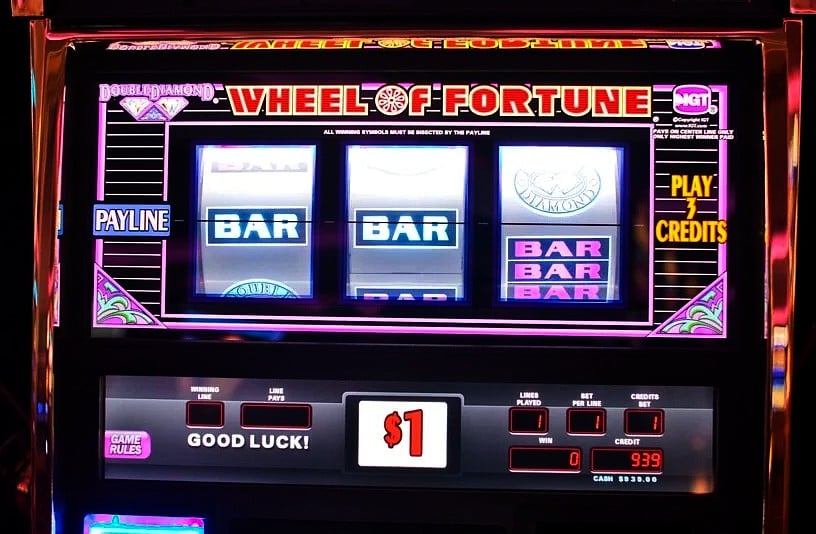
Let’s start with the classic slot‑machine heartbreak:
Reel one shows a bar.
Reel two shows a bar.
Reel three shows… a reminder that you’re donating to the casino’s quarterly earnings.
Gamblers react like they almost won. Spoiler: they didn’t. The machine’s random number generator locked in the result before the reels even started their little Broadway performance. The “near miss” is just theater — a psychological special effect designed to keep you seated, hopeful, and losing.
Only in Horseshoes
The Journal of Neuroscience has the receipts. Your brain’s dopamine reward pathway spikes not only when you win, but when you think you almost won. (“Almost” is a fictional concept in games of pure chance.)
Blackjack busting with a 22? Roulette landing one number off? Your brain throws a tiny party anyway. It’s the same reward circuitry that lights up for actual wins — which is why casinos pack their slots with near misses. They’re selling the feeling of progress without the inconvenience of paying you.
Enter the Rat Casino
In 2011, neuroscientists at UBC and Oxford built a literal rat casino. Three flashing lights replaced slot reels. Three lights and they got a jackpot pellet. Anything else resulted in zilch. Pressing the lever after a non‑win triggered a time penalty, because even rats need consequences.
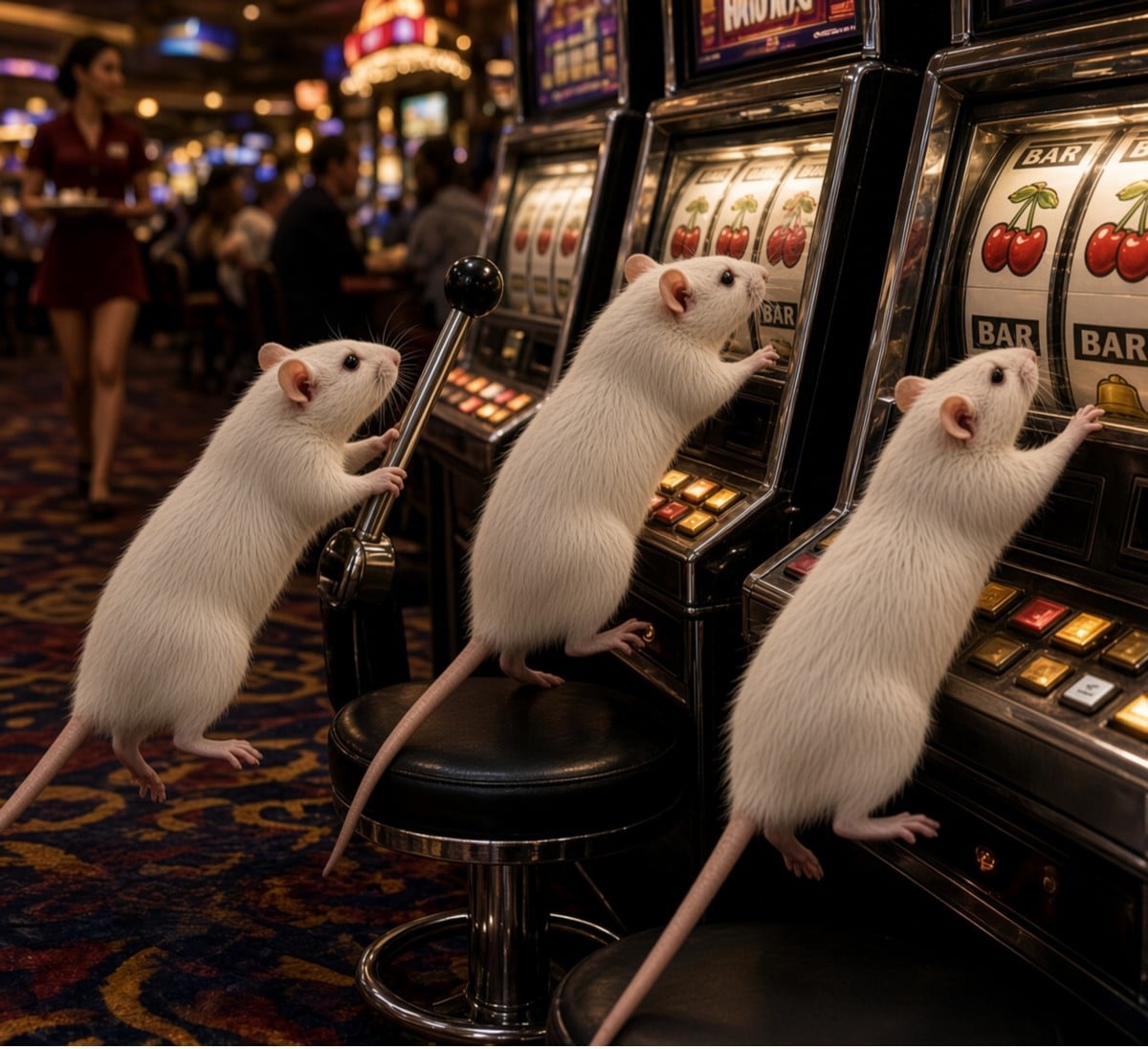
The rats did something very human: They hammered the lever after near misses — two lights — even though it punished them. Why? Because their dopamine neurons treated “almost” like a win.
When drugged with dopamine‑boosting compounds, the rats chased near misses even harder.
Strangely, birds didn’t fall for the scam. When Jessica Stagner’s team at the University of Florida ran the same concept with pigeons, they didn’t care about near misses. In fact, they avoided them.
Translation: mammals evolved the delusion of “almost winning.” Birds did not.
Why Our Brains Do This
Because mammalian brains weren’t built for slot machines — they were built for skill.
If you’re learning basketball, your shots gradually get closer to the rim. Near misses mean you’re improving. Your brain rewards that progress so you don’t quit.
Casinos hijack that system. Slots don’t require skill, nor do dice or roulette. But your dopamine neurons don’t know that — they cheer anyway, urging you to keep going since a win feels imminent.
But Aren’t Slot Outcomes Supposed to be Random?
Yes — but random doesn’t mean every symbol has the same chance of appearing. It just means the random number generator (RNG) picks a result unpredictably. The slot’s design still decides which outcomes are rare and which are common — such as all those “near misses” that look like you almost won.
A slot machine doesn’t choose the reel symbols directly. It chooses a number from a long virtual reel — a hidden list of positions that’s much bigger than the physical reel you see. Many of those virtual positions point to the same symbol. So even if the physical reel shows one jackpot symbol and two symbols next to it, the virtual reel will have hundreds of positions for losing symbols and only a handful for the jackpot.
The RNG randomly picks one of those stops, but the designer decides how many stops each symbol gets. That’s why near misses show up constantly. You didn’t almost win — you landed on one of the many losing stops placed right next to the rare winning one to make it look like you were close.
Near misses are engineered. They are not real. And casinos weaponize them because they make you feel lucky enough to keep spinning your bankroll into oblivion.
We’re really sorry about this, guys. But while we’re at it… your parents also threw away all your grade-school art and your dog didn’t “go live on a farm.”
Look for “Vegas Myths Busted” every Monday on Casino.org. Visit VegasMythsBusted.com to read previously busted Vegas myths. Got a suggestion for a Vegas myth that needs busting? Email corey@casino.org.

 Most Read

Another Shooting Near Las Vegas Strip Casino Injures Man
 972,663 views
Vintners Oppose Napa Valley Casino
556,270 views


Conversation (7 comments)