 Main menu

Atlantic City
Should Underage Gambling Be a Crime? Some New Jersey Lawmakers Say ‘No’
Posted on: September 29, 2026, 02:44h.
Last updated on: September 30, 2026, 04:40h.


Key Points
- New Jersey lawmakers are considering a bipartisan bill to replace criminal penalties for underage gambling with civil fines of up to $2,000
- SB597 would send the penalty money to gambling prevention, education, and treatment programs, while also applying fines to employees or adults who knowingly assist underage gambling
- The bill has been referred to the Senate Judiciary Committee, with New Jersey lawmakers scheduled to remain in session through Dec. 17


Bipartisan legislation in New Jersey would decriminalize underage gambling, reducing the wrongdoing from a criminal offense to a civil penalty.
New Jersey Sen. Jim Beach (D-Camden) has been encouraging lawmakers in Trenton to decriminalize underage gambling for four years. 2026 could finally be the year that the NJ Legislature agrees that minors shouldn’t face criminal prosecution for entering and gambling inside an Atlantic City casino.
Beach’s act concerning penalties for underage gambling is Senate Bill 597. Cosponsored by two Democrats and two Republicans, the bill would amend the current law, which subjects an underage person found gambling to a disorderly persons offense, a misdemeanor, to a civil fine.
If passed in its original form, SB597 would impose a fine of up to $500 for a first offense, $1,000 for a second offense, and $2,000 for a third and subsequent offense. Along with Atlantic City casinos, the statute would apply to simulcast facilities and their sportsbooks.
Bill Moves
Beach filed SB597 in January, but this week it was referred to the Senate Judiciary Committee. One of Beach’s cosponsors, Sen. Kristin Corrado (R-Caldwell), sits on the committee.
New Jersey lawmaking body is still in session, with the NJ Legislature set to adjourn for 2026 in December.
SB597 would direct the money collected from underage gambling civil penalties to the Department of Human Services (DHS), where it would be used for compulsive gambling prevention, education, and treatment programs.
The escalating fine structure under SB597 differs from the current law, which requires a minimum fine of $500 but a maximum of $1,000 for each violation thereafter. Though it’s a low-level misdemeanor, the present law nonetheless creates a criminal record for the underage person, while a civil penalty does not.
SB597 would extend the same civil penalties to employees who knowingly allow an underage person to gamble. A parent or caretaker of gambling age who assists an underage person with gambling would also be subject to the civil penalties.
Do Casinos Check IDs?
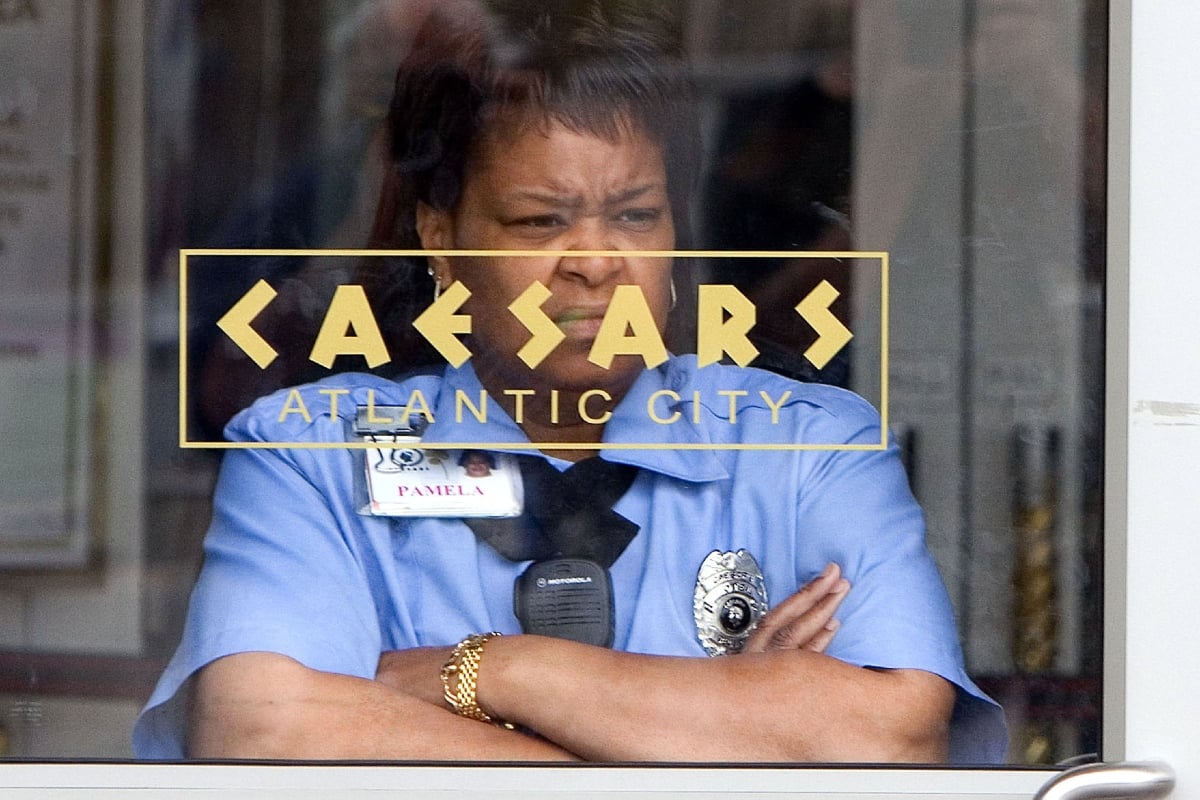
Atlantic City casinos under the New Jersey Casino Control Act are legally obligated to ensure that only persons aged 21 and older are granted access to their gaming floors. Security is tasked with checking identities at all access points and monitoring the floor for underage people.
Security checks, of course, aren’t foolproof. Security personnel are often instructed to check IDs for anyone who appears to be 30 or younger, and fake IDs have only become more authentic-looking.
The New Jersey Division of Gaming Enforcement (DGE) handles infractions. The largest fine the regulator ever issued regarding underage gambling came in November 2008 against Bally’s. The DGE ordered Bally’s to pay $157,500 after determining that the casino had regularly let an underage woman gamble. Borgata previously held the largest underage gambling fine, a $105,000 penalty, in February 2008.

 Most Read

Another Shooting Near Las Vegas Strip Casino Injures Man
 972,697 views

Vintners Oppose Napa Valley Casino
556,303 views


Conversation (0)
Be the first to comment on this article.