 Main menu

Crime & Scandals
Keffe D Gets 40 Years to Life for Orchestrating Tupac Shakur’s Murder
Posted on: October 13, 2026, 02:35h.
Last updated on: October 13, 2026, 02:35h.

Key Points
- Duane "Keffe D" Davis was sentenced to 40 years to life for Tupac Shakur's 1996 murder
- Nevada Judge Carli Kierny issued a stern bench admonition rejecting Davis's attempt to dismiss his involvement
- The defense plans to appeal the conviction, which relied heavily on Davis's self-incriminating past statements


Duane “Keffe D” Davis was sentenced on Tuesday (Oct. 13) to 40 years to life for orchestrating the 1996 murder of rap icon Tupac Shakur. The 63-year-old defendant was convicted in August of first-degree murder with the use of a deadly weapon. He is the only person ever charged in the murder of Shakur, whose popularity was peaking at age 25.
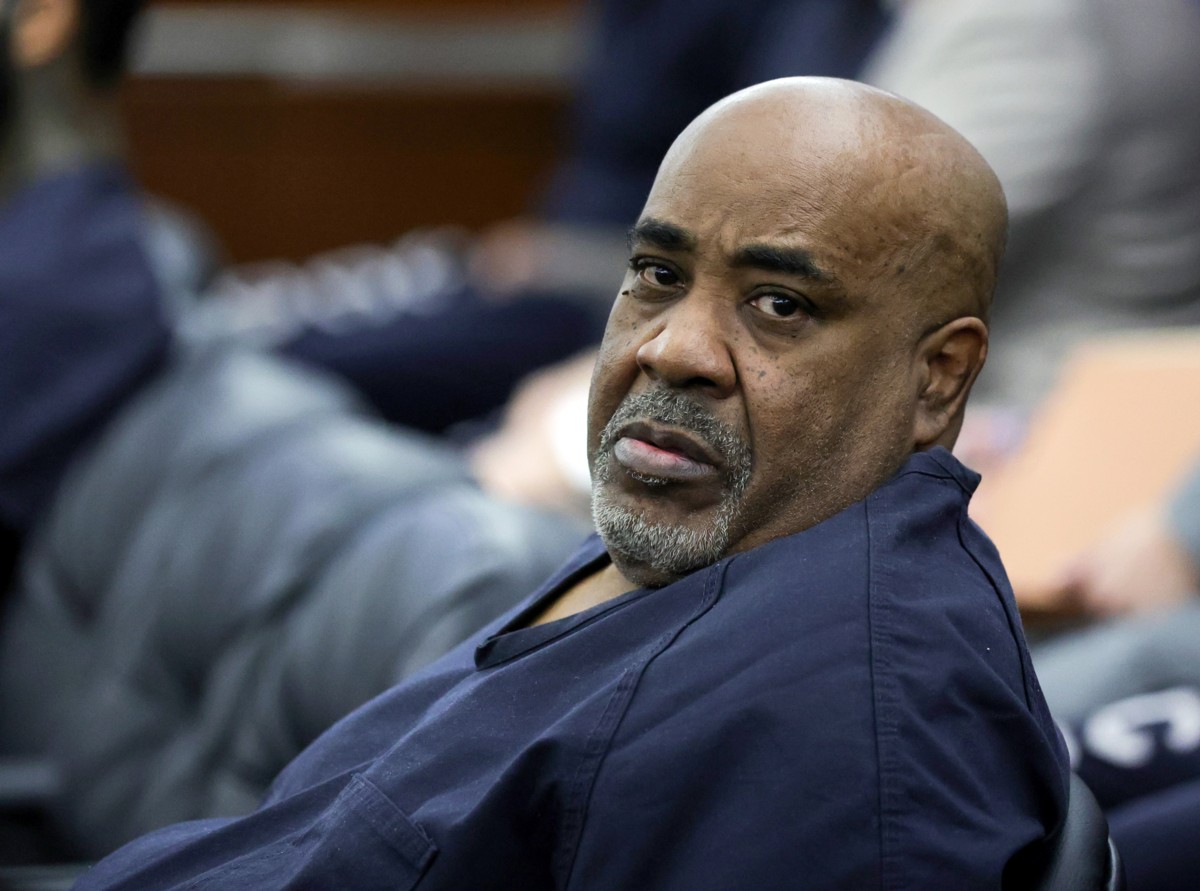
Nevada District Court Judge Carli Kierny delivered the sentence following a scathing admonition of Davis from the bench. (At the beginning of the trial, the 63-year-old waived his right to be sentenced by the jury, who convicted him after deliberating for less than three hours.)
“Mr. Davis, for three years, we’ve heard to say some variation of the same thing—to BET, in your book—and it’s something like, ‘Yeah, I was involved in this, but I’m different. I’ve moved on. I got out of Compton. I’m a grandfather.’
“I’m here to tell you that’s not how this works, OK? You don’t get to take a man from his family. You don’t get to take his very life, his whole future, from him, and just walk away from it—especially when that man is Tupac Shakur.”
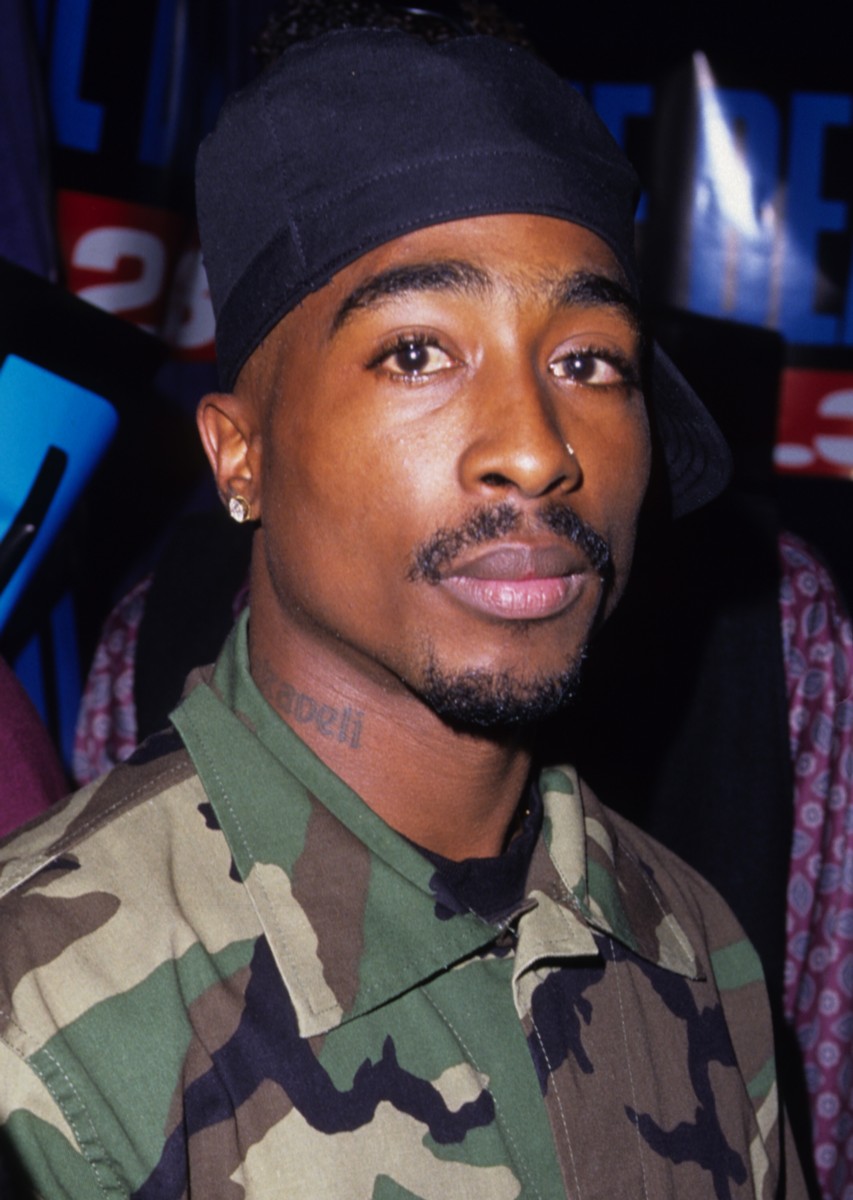
On the night of Sept. 7, 1996, Tupac Shakur was riding in the passenger seat of a black BMW driven by Death Row Records co-founder Marion “Suge” Knight when a white Cadillac rolled up beside them at a stoplight. Gunfire burst from the Cadillac, striking Shakur several times. He died six days later at UMC Hospital in Las Vegas; Knight, who was grazed by a bullet, survived.
By the time of the shooting, Shakur had already become one of hip-hop’s defining voices. His acting career was also gaining momentum, adding to the sense that his life and influence were still expanding when he was killed.
Davis Convicted Himself
For decades, the case remained officially unresolved. That changed when Duane “Keffe D” Davis, a former South Side Compton Crips leader, began publicly recounting his involvement.
In interviews and in a 2019 memoir, Davis described the chain of events that began when Shakur and members of his entourage assaulted Davis’ nephew, Orlando Anderson, inside the MGM Grand earlier that evening.
Davis said he sought revenge, rode in the front passenger seat of the Cadillac, and handed a gun to someone in the backseat moments before the fatal shots were fired. He had previously spoken with detectives but avoided charges under a cooperation agreement.
During Davis’ trial, prosecutors leaned heavily on his own words—statements he gave to police, filmmakers, and authors over the years. They argued that Davis planned the attack and supplied the weapon, framing the killing as an escalation of tensions between the South Side Compton Crips and the Mob Piru set aligned with Death Row Records.
The defense countered that prosecutors lacked physical evidence tying Davis to the shooting and portrayed him as someone who exaggerated his role for notoriety and profit. The jury was not swayed.
“The world never forgot about him and his family,” Judge Kierny finished admonishing Davis. “And even though it took Las Vegas 30 years, it was time. You’re going to face justice for what you did.”
Davis will receive 731 days credit for time served toward his sentence.
Davis’ attorney told the court he will appeal the verdict.

 Most Read
Another Shooting Near Las Vegas Strip Casino Injures Man
 972,595 views

Vintners Oppose Napa Valley Casino
556,214 views


Conversation (0)
Be the first to comment on this article.