 Main menu


Sports Betting
NBA Insider Eric Pincus: Is It Time To Consider 40-Minute Games?
Posted on: November 4, 2026, 03:24h.
Last updated on: November 4, 2026, 04:15h.

Key Points
- On the Injury Wave: "The start to this season has been brutal... I don't recall ever seeing a first week of injuries like this one." — NBA Team Executive
- On the Root Cause: “What’s going on? I don’t know what to even blame it on.” — NBA Scout
- On 40-Minute Games: “You’re not going to find any teams against that." — NBA Scout


It isn’t recency bias—early-season NBA injuries are officially out of control.
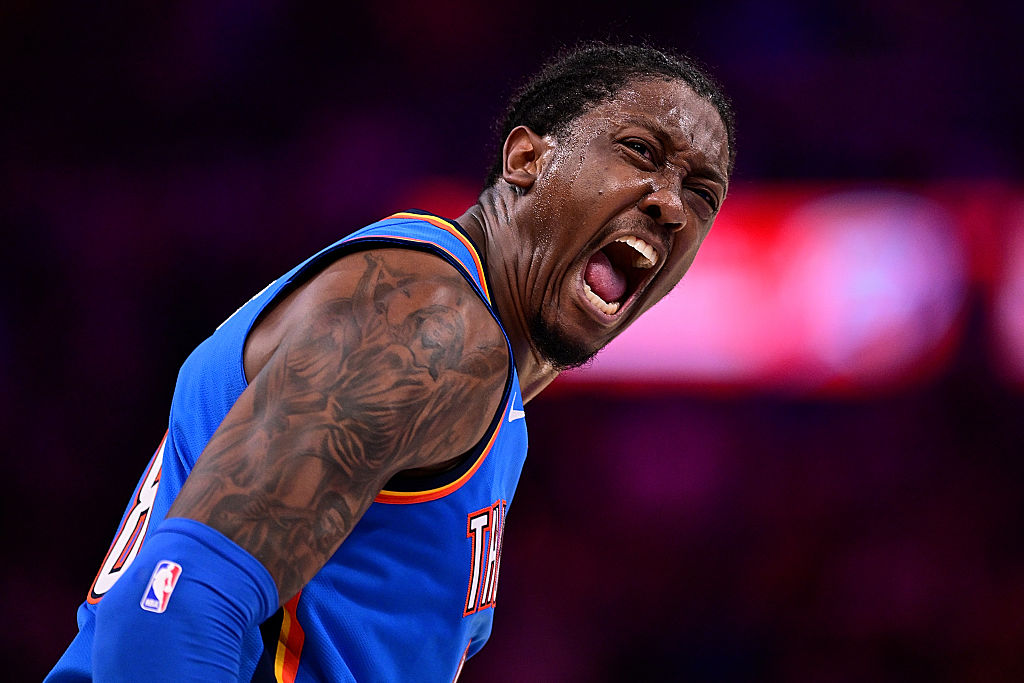
From Oklahoma City Thunder star Jalen Williams suffering a brutal lower-leg injury to Minnesota Timberwolves All-Star Anthony Edwards being sidelined for months following knee surgery, the rash of high-profile injuries in week one is a major downer for the league.
“The start to this season has been brutal,” said one team executive. “I don’t recall ever seeing a first week of injuries quite like this one.”
A scout offered more of a shrug than an answer: “What’s going on? I don’t even know what to blame it on.”
A common refrain when players go down is that the 82-game schedule is too grueling, but that argument carries little weight just a few games into the season.
Back in January 2025, NBA Commissioner Adam Silver noted on The Dan Patrick Show (via Bleacher Report) that he was “a fan of four 10-minute quarters.”
Silver pointed out that the NBA “is the only league that plays 48 minutes,” unlike the WNBA, NCAA, and FIBA. Trimming eight minutes per game would reduce each team’s regular-season workload by 656 minutes.
At the time, Silver admitted he was likely “in the minority,” but he may now find broader support as front offices grow increasingly perplexed by the early-season attrition.
“You’re not going to find any teams against that,” a second scout said.
The longer a player remains on the court, the greater the cumulative wear and tear—and the higher the risk of acute injury from an unpredictable event like Williams’ devastating fall. High game pace only compounds the issue.
“Looking at the style of play now and where it’s heading, more coaches are forced to run 10- or 11-man rotations because the speed of the game is so fast that guys fatigue much quicker,” LA Clippers coach Tyronn Lue said last week.
That raises the question of where the National Basketball Players Association (NBPA) stands on the matter. Improved working conditions and player health safeguards are core union priorities.
Will a Shorter Game Have the Intended Effect?
If reigning MVP Shai Gilgeous-Alexander averages 33 minutes in a 48-minute contest, will the Thunder still log him for 33 minutes in a 40-minute battle when individual possessions carry greater weight? Furthermore, would a shorter game inadvertently squeeze playing time for role players and bench rotation assets?
One NBA agent dismissed the debate entirely: “I don’t give a [expletive].”
Financial realities remain the primary obstacle to reducing the 82-game slate or stretching the calendar to allow for more rest between games.
Additionally, industry sources have long noted that national broadcast partners prefer tighter game windows to maintain viewer engagement—and fewer commercial breaks could allow networks to command higher ad rates.
Addressing a Troubling Trend
The injury list has expanded almost daily, ensnaring key players including Jaren Jackson Jr. (Utah Jazz), Paolo Banchero (Orlando Magic), Kawhi Leonard (Toronto Raptors), Tyrese Haliburton (Indiana Pacers), Justin Champagnie (Washington Wizards), and Cason Wallace (Thunder).
They join a list of players already sidelined during the offseason or preseason, such as Ben Simmons (Sacramento Kings), Shaedon Sharpe (Portland Trail Blazers), Max Strus (LA Clippers), Mark Williams (Phoenix Suns), and Ariel Hukporti (Philadelphia 76ers).
Countless others are managing nagging ailments like Lauri Markkanen (wrist) and Cooper Flagg (shoulder), while soft-tissue issues (Jalen Duren, Kon Knueppel, Nicolas Claxton, and Ja Morant) and knee injuries (Chet Holmgren, Jalen Suggs, Edwards, and Leonard) remain widespread.
If this wave is merely a statistical anomaly, it is a deeply concerning one without an obvious cause. The current campaign already feels markedly worse than last season. Even if momentum builds for a structural shift, formal rule changes likely wouldn’t take effect until the 2027–28 season—and team executives remain skeptical that the league office will even acknowledge a systemic problem.
“The NBA will come out with some stat claiming injuries aren’t actually up, just like they did with all those Achilles and ACL tears over the past couple of seasons,” the executive added.
However, if Silver and league leadership are serious about exploring 40-minute games—a format that neatly aligns with their long-term expansion goals for NBA Europe—this early-season injury surge might serve as the catalyst to push the debate forward.

 Most Read

Another Shooting Near Las Vegas Strip Casino Injures Man
 973,187 views

Vintners Oppose Napa Valley Casino
556,764 views


Conversation (0)
Be the first to comment on this article.