 Main menu


Midwest
Indiana Casino Referendums Soundly Rejected in All Three Counties
Posted on: November 4, 2026, 08:19h.
Last updated on: November 4, 2026, 08:19h.


Key Points
- Voters in Allen, DeKalb, and Steuben counties rejected referendums to authorize casino gambling
- Opposition ranged from about 60% in Allen and Steuben counties to 65% in DeKalb
- Indiana will remain home to 13 casinos, as Full House Resorts abandoned its relocation ambitions


A casino will not be coming to Northeast Indiana after voters in Allen, DeKalb, and Steuben counties overwhelmingly rejected local referendums asking them to authorize slot machines, table games, and sports betting.
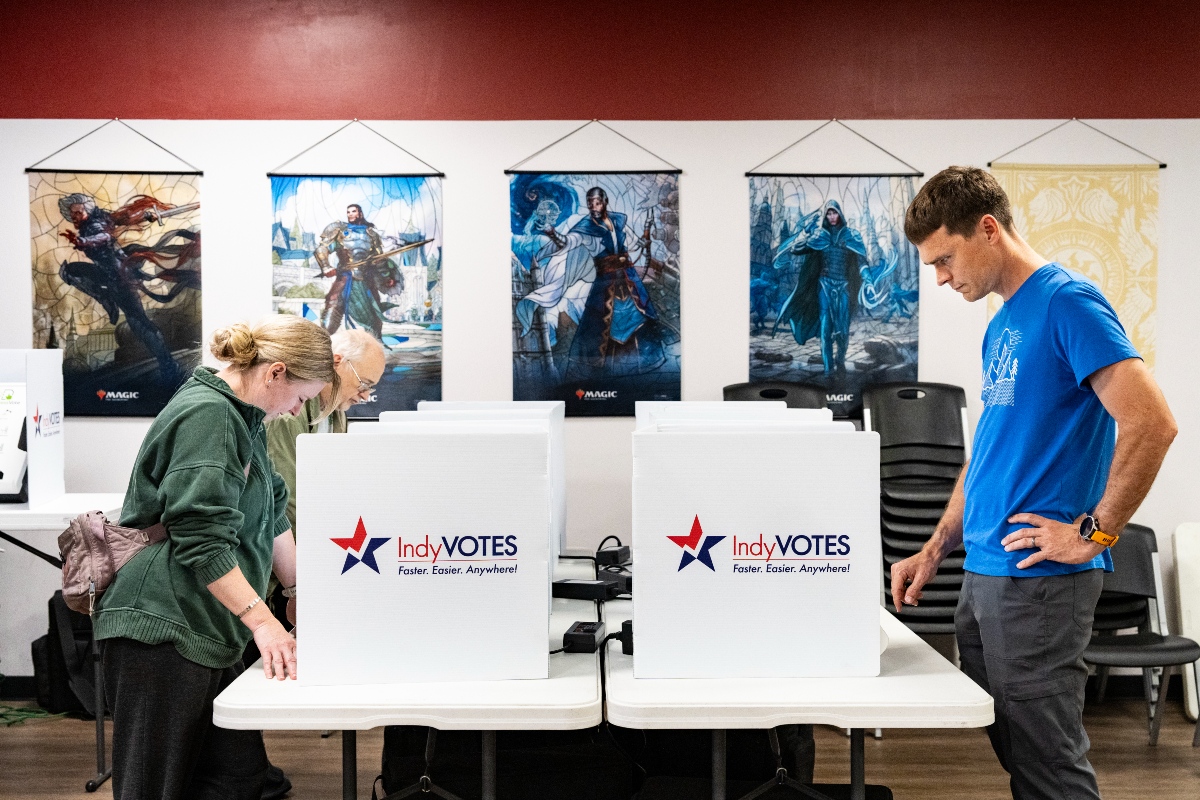
On Election Day, voters in all three counties were asked whether to permit “inland casino gambling.” The local referendums stem from House Bill 1038, legislation signed in March by Indiana Gov. Mike Braun following a push by Full House Resorts to relocate its gaming license from Rising Sun to a more lucrative market in northeastern Indiana.
About 60% of Allen County voters rejected the initiative. Opposition was even greater in DeKalb, where about 65% of the county rejected the gaming question. In Steuben, almost 60% of the vote opposed a casino.
No Casino Backed Referendums
Full House had asked lawmakers to allow a casino in Northeast Indiana for the company to shutter its Rising Star Casino and move north. But as HB1038 made its way through the General Assembly, the attractiveness of relocation waned.
Lawmakers amended the bill, which originally sought to provide Full House with the exclusive development rights in one of the three counties, to allow any casino in the U.S. to bid on the opportunity. A hefty $150 million licensing fee and minimum investment of $500 million were also tacked on, all but annulling Full House’s interest.
By the time Braun signed HB1038, Full House CEO Daniel Lee said Rising Star “makes money and we will continue to do that for our shareholders.”
While local groups supporting the casino measures arose, no major casino developer expressed interest or provided campaign support. Opposition efforts, including the political campaign “Save Fort Wayne,” won over voters in rebuffing casinos.
“Save Fort Wayne” ran ads claiming that a casino would lead to increased addiction, divorce, bankruptcy, mental health issues, child neglect, human trafficking, and poverty.
Fort Wayne had been considered the most attractive market for a new casino. A study commissioned by the Indiana Gaming Commission (IGC) projected that a casino in Indiana’s second-largest city would generate almost 1,000 permanent jobs and annual local tax revenue of $28.1 million.
The analysis, completed by commercial real estate services firm CBRE, estimated that a Fort Wayne casino would also generate $13.1 million a year in local government revenue from food and beverage, hotel occupancy, and property taxes.
CBRE concluded that a Fort Wayne casino would provide “long-term value for the local community, with positive revenue generation and job creation.”
Indiana Casino Market
Indiana’s gaming industry will remain at 13 casinos. Through September, the properties generated $1.84 billion in gross gaming revenue (GGR) from slots and table games. Indiana oddsmakers reported revenue of $402.6 million.


 Most Read
Another Shooting Near Las Vegas Strip Casino Injures Man
 972,951 views

Vintners Oppose Napa Valley Casino
556,548 views


Conversation (0)
Be the first to comment on this article.