Nova Scotia Weighs Regulated iGaming Expansion as More Canadian Provinces Open Markets
Posted on:
November 4, 2026, 09:41h.
Last updated on:
November 4, 2026, 09:41h.
Written by
Mark Keast
Mark is a long-time, seasoned journalist, as a writer and editor, working for several Toronto daily newspapers, then moving over to the digital arena, covering both sports and business. Over the past few years he moved over to the gaming arena, specifically covering the igaming industry in Canada for several platforms, as well as writing on sports betting.
Key Points
Nova Scotia is monitoring regulated iGaming expansion in Ontario and Alberta amid gambling harm concerns
Research estimates 75% of Atlantic Canada's $921 million iGaming market operates outside regulated channels
New Brunswick considers regulatory changes as Quebec moves toward opening its iGaming market to private operators
Nova Scotia’s finance minister said the province is watching the expansion of regulated online gambling in Alberta and Ontario “very carefully,” as opposition parties raise concerns about potential gambling-related harms, according to Global News.
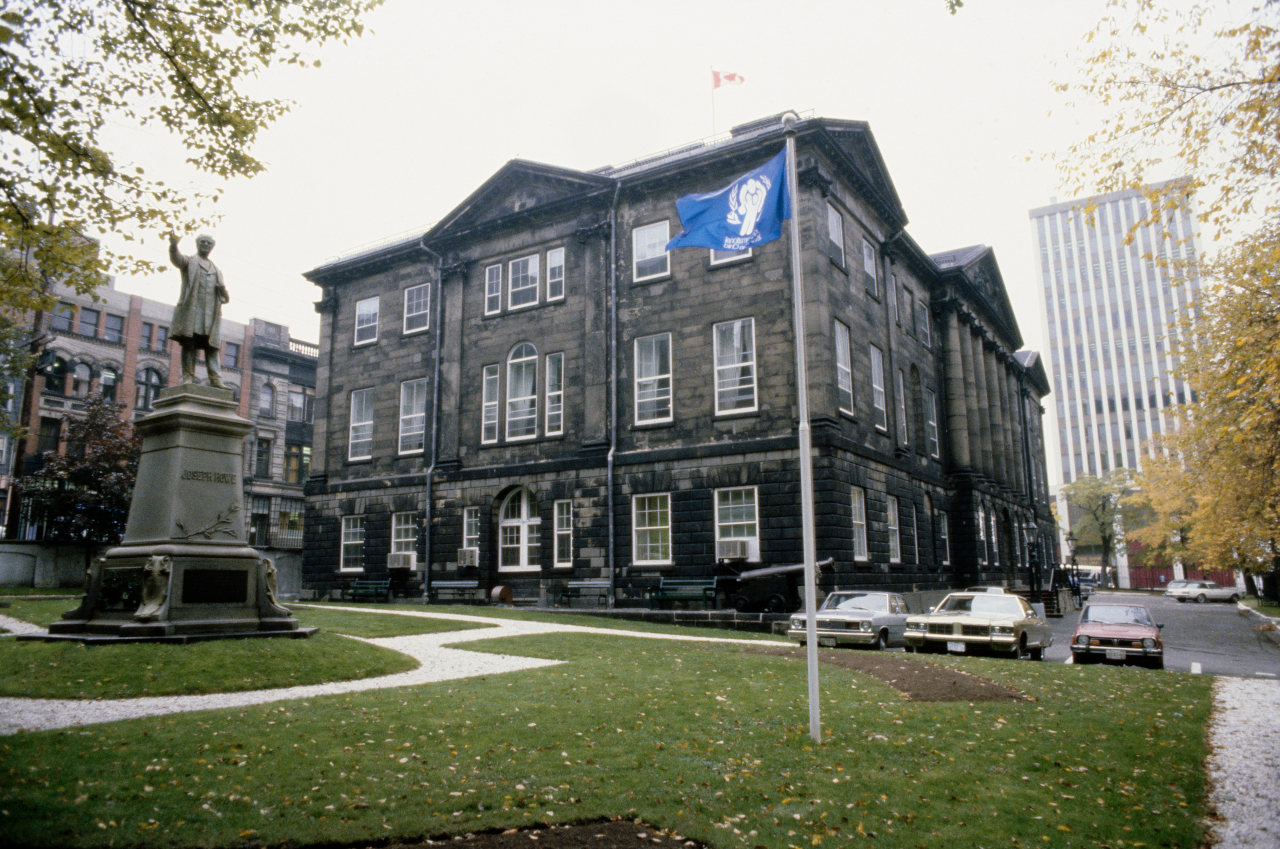
Province House in Halifax. The provincial government is considering entering a competitive online gambling market, similar to Ontario’s. (Photo by UPI/Bettmann Archive/Getty Images)
“Obviously those are conversations that are underway right now,” John Lohr told reporters.
Minister Raises Gambling Harm Concerns
The only authorized and regulated online gambling platform in Nova Scotia is via the Atlantic Lottery Corporation, but people in the province can also access unregulated online gaming sites.
Lohr added the province doesn’t have a “handle” on the harmful impacts of gambling online.
“There are significant harms for people who become addicted to it,” he said.
According to research from TRM Public Affairs, the total available iGaming market in the Atlantic Canada provinces is approximately CA$921 million ($660 million), with 25% of that in the regulated space and 75% on unregulated sites. According to TRM data, $691 million ($495 million) in gross gaming revenue (GGR) is lost to the unregulated market, meaning about $168 million ($120 million) in lost government revenue at a 20% government tax rate.
New Brunswick Considers Regulatory Changes
Global News also reported that no decisions have been made yet on what direction to take.
The Nova Scotia story comes as neighbouring New Brunswick introduced legislation to regulate live-dealer online casino games, as that province also considers bringing in an Ontario-style iGaming model.
Ontario launched its regulated iGaming market, which currently has 49 licensed operators, in April 2022, and has generated CA$3.6 billion ($2.6 billion) in iGaming revenue so far in 2026.
Ontario and Alberta Markets Expand
Ontario’s government tax rate is 20% of iGaming revenue. That doesn’t include revenue generated by the government-owned Proline online gambling platform.
The Alberta competitive online gaming market launched on July 13. In October, Alberta iGaming Corporation announced that the province generated $122 million ($87 million) in revenue through Sept. 30. Alberta currently has 51 active gaming websites.
In early October, Quebec voters elected a minority Parti Québécois government, with the Liberal Party forming the opposition. Both parties have pledged to end Loto-Québec’s iGaming monopoly and introduce a regulated market open to private operators, similar to those in Ontario and Alberta.
Mark is a long-time, seasoned journalist, as a writer and editor, working for several Toronto daily newspapers, then moving over to the digital arena, covering both sports and business. Over the past few years he moved over to the gaming arena, specifically covering the igaming industry in Canada for several platforms, as well as writing on sports betting.
 Main menu




 Most Read

 972,953 views



Conversation (0)
Be the first to comment on this article.