 Main menu


Sports Betting
Nebraska Rejects Mobile Sportsbooks, Keeping Wagering Locked to Racetrack Casinos
Posted on: November 4, 2026, 09:47h.
Last updated on: November 4, 2026, 10:46h.


Key Points
- Nebraska sports betting remains limited to in-person wagers after both mobile legalization initiatives failed at the ballot box
- DraftKings and FanDuel each committed $10.4M to fund the $22.5M petition and media push for digital market expansion
- With mobile expansion defeated, out-of-state operators in neighboring jurisdictions—particularly Iowa—will continue capturing digital handle from major Nebraska metros like Omaha and Bellevue


Nebraska voters have shot down plans to expand sports betting online, defeating two Election Day ballot initiatives to preserve the state’s existing in-person racetrack casino model.
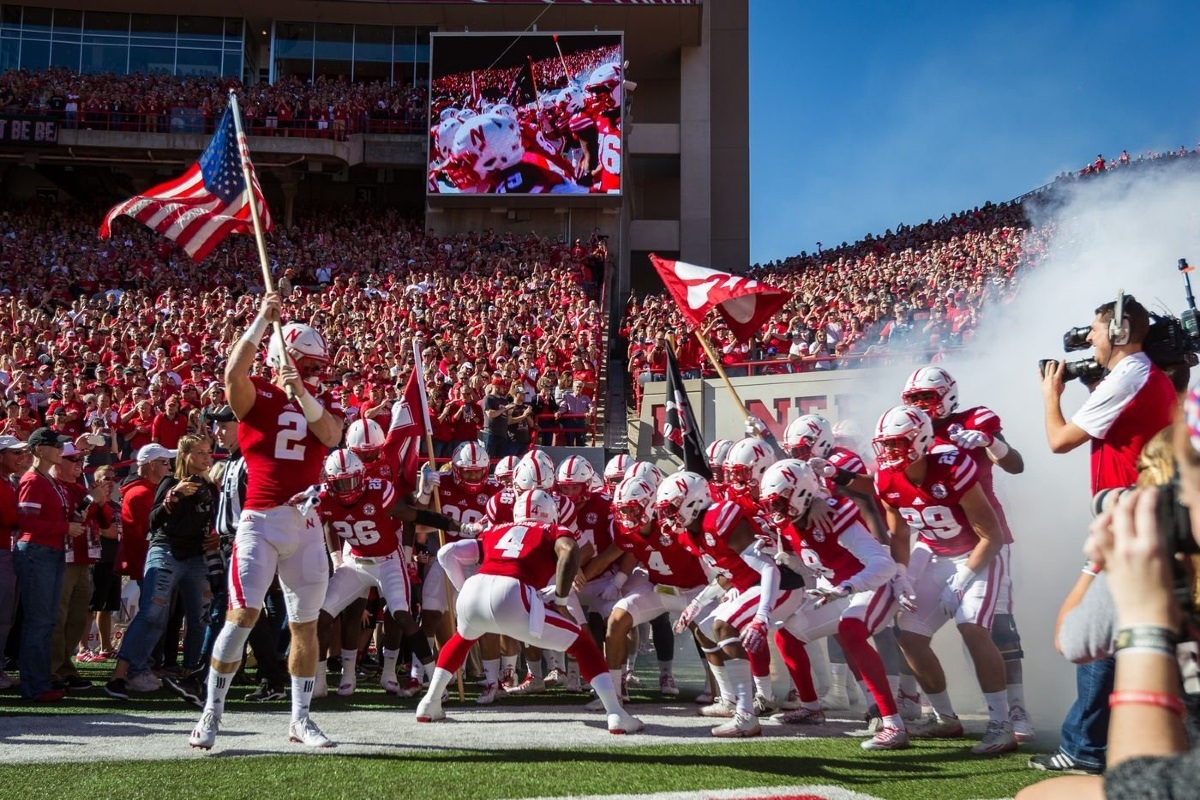
On Election Day (Nov. 3), Nebraskans faced Initiative Measures 440 and 441. The first question asked voters to amend the Nebraska Constitution to allow online sports gambling. The second question sought to provide the Nebraska Racing & Gaming Commission (NRGC) with the authority to adopt rules and regulations to govern online sportsbooks.
A majority of voters rejected the mobile expansion. Initiative Measure 440 failed by a 55%–45% margin, while Initiative Measure 441 was defeated by a 54%–46% margin.
High-Stakes Campaign Financing
‘Tax Relief Nebraska’, the political action committee advocating for legalization, raised nearly $22.5 million. The campaign argued that authorizing mobile wagering would direct millions in new tax revenue toward property tax relief for homeowners.
The committee was primarily supported by FanDuel and DraftKings, with each sportsbook contributing $10.4 million. BetMGM and Fanatics made $500,000 contributions.
Proponents projected that taxing online sports betting at 30%—matching the state’s rate for retail casino gaming—would yield tens of millions in annual revenue. Conversely, opposition group ‘Save Nebraska Sports’ argued that mobile gambling would threaten sports integrity and exacerbate societal harms.
The opposition campaign brought on one of the most popular figures in the state: former Nebraska football legend Tom Osborne. The coach, who led the Cornhuskers to three national championships in 1994, 1995, and 1997, encouraged voters to reject efforts to expand sports betting to the internet.
Osborne opined that online sports betting would fuel gambling addiction among young people and increase rates of student-athletes being harassed online by angry bettors, despite Nebraska prohibiting sports betting on games involving in-state colleges and universities.
I see this being very dangerous,” Osborne said. “Putting a sportsbook on every phone will only expose more young people to gambling addiction. It’s not the Nebraska way.”
Osborne said the supposed property tax benefits would be outweighed by the social and personal costs of online sports betting.
Revenue Win for Border States
The defeat of the mobile initiatives preserves the status quo for neighboring jurisdictions with active digital markets.
Iowa stands as the primary beneficiary of the outcome. With Nebraska’s two largest population centers—Omaha and Bellevue—located directly along the Missouri River border, local bettors can continue making short trips into Iowa to place mobile wagers.
Missouri, Kansas, Colorado, and Wyoming—which also border Nebraska—currently offer regulated online sports betting as well.


 Most Read
Another Shooting Near Las Vegas Strip Casino Injures Man
 973,189 views

Vintners Oppose Napa Valley Casino
556,765 views


Conversation (1 comment)