 Main menu

Crime & Scandals
US Sanctions Mexican Cartel Racetrack Linked to Casino Accused of Torture
Posted on: October 13, 2026, 04:27h.
Last updated on: October 13, 2026, 04:27h.


Key Points
- Treasury alleges cartel-controlled Club La Molienda allowed Casino Centenario customers to bet on races before the casino's suspension
- Previously sanctioned Casino Centenario was accused of laundering drug proceeds, storing narcotics, and torturing perceived cartel enemies
- The cartel allegedly laundered more than $22 million through US quarter-horse racing, with federal agents seizing 455 horses in 2012


The U.S. Treasury Department has sanctioned a Mexican racetrack allegedly controlled by a notorious drug cartel that partnered with a nearby casino to offer betting on its horse races.
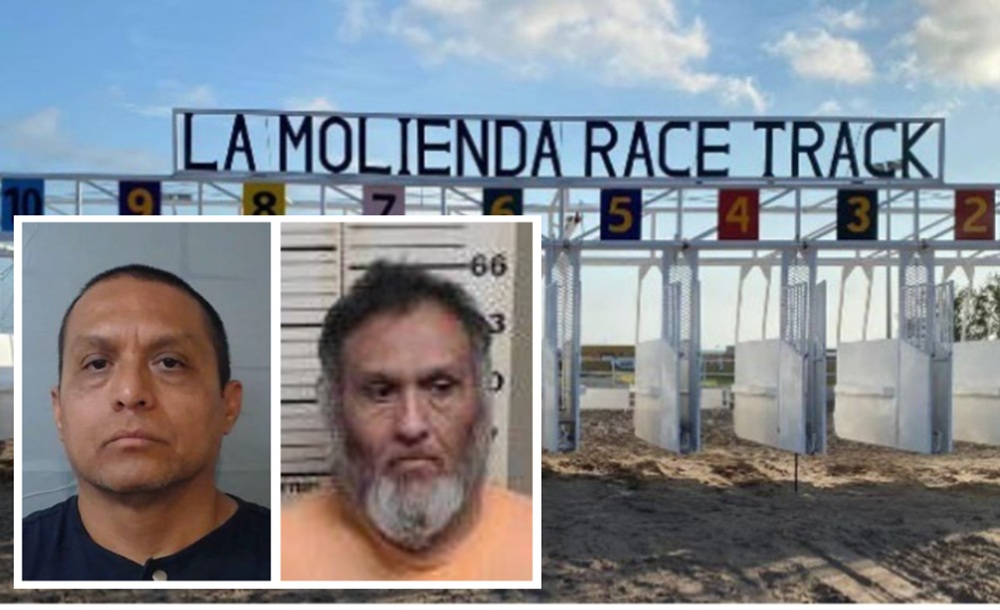
Club La Molienda, on the outskirts of Nuevo Laredo across the border from Laredo, Texas, was among 11 entities and four individuals sanctioned Tuesday (Oct. 13) in what officials called their largest financial crackdown on Cartel del Noreste (CDN), the successor to Los Zetas.
According to Treasury, the racetrack operated a betting partnership with Casino Centenario, allowing casino customers to wager on races held at La Molienda. The arrangement ended when Mexican authorities suspended the casino’s operations in April, following coordinated action with the U.S.
Treasury alleges La Molienda remains under the control of Miguel Ángel Treviño Morales, known as “Z-40,” a founder of the cartel who is currently incarcerated in the U.S. Other cartel figures oversee operations in his absence.
Casino Torture Allegations
The track reportedly raises money for CDN by charging fees to horse owners entering races and spectators attending them. Cartel members also purchase horses, many from the U.S., to race there.
Casino Centenario was itself sanctioned in April amid darker allegations. Treasury accused the property of laundering drug money through gambling operations, storing fentanyl and cocaine, and using its backrooms to torture and intimidate cartel enemies.
A second property, Diamante Casino in Tampico, and its associated gambling website were also sanctioned at the time because of their links to the same operating company.
$22 Million Horse-Racing Scheme
CDN’s links to horse racing stretch back nearly two decades. According to Treasury, Treviño Morales and his brother, Oscar Omar Treviño Morales, known as “Z-42,” used drug proceeds to buy, train, and race American quarter horses between 2008 and 2012.
Over one 30-month period, shell companies and cartel proxies spent $16 million supporting racing operations in Texas, Oklahoma, New Mexico, and California, laundering more than $22 million.
Federal investigators seized 455 horses in June 2012 from an Oklahoma farm and other racing and training facilities.
The brothers were transferred from Mexico to the U.S. in February 2025 and face federal drug-trafficking, racketeering, firearms, and money-laundering charges.
Tuesday’s sanctions also targeted Mexican businessman Gamaliel Garza García, whose horses have competed at tracks in California and New Mexico, as well as La Molienda.
Treasury alleges his construction company, CEGESA, secured government contracts through corruption and channeled funds into election campaigns for politicians favored by CDN. His son, Gamaliel Garza Elías, allegedly delivered cash to support those campaigns.
Other targets included a cartel leader known as “Takia” and a trucking business tied to cocaine shipments concealed in trailer brake drums.
The sanctions freeze any assets the individuals and businesses hold in the U.S. and generally bar Americans from doing business with them.
The cartel’s gambling history also includes an especially brutal episode: a 2011 Los Zetas arson attack on a casino in Monterrey that killed 52 people, according to Treasury.

 Most Read
Another Shooting Near Las Vegas Strip Casino Injures Man
 972,597 views
Vintners Oppose Napa Valley Casino
556,215 views


Conversation (0)
Be the first to comment on this article.