 Main menu

Tribal Gaming
SCOTUS Ends Maverick Gaming’s Challenge to Washington State Tribal Sports Betting
Posted on: October 7, 2025, 05:06h.
Last updated on: October 7, 2025, 05:06h.


- Supreme Court rejects Maverick Gaming appeal over tribal betting.
- Decision preserves Washington’s tribal-only sports wagering system.
- Ruling hailed as major win for tribal sovereignty nationwide.
The U.S. Supreme Court has declined to hear a challenge by Washington state cardroom operator Maverick Gaming to the state’s tribal-exclusive sports betting model.
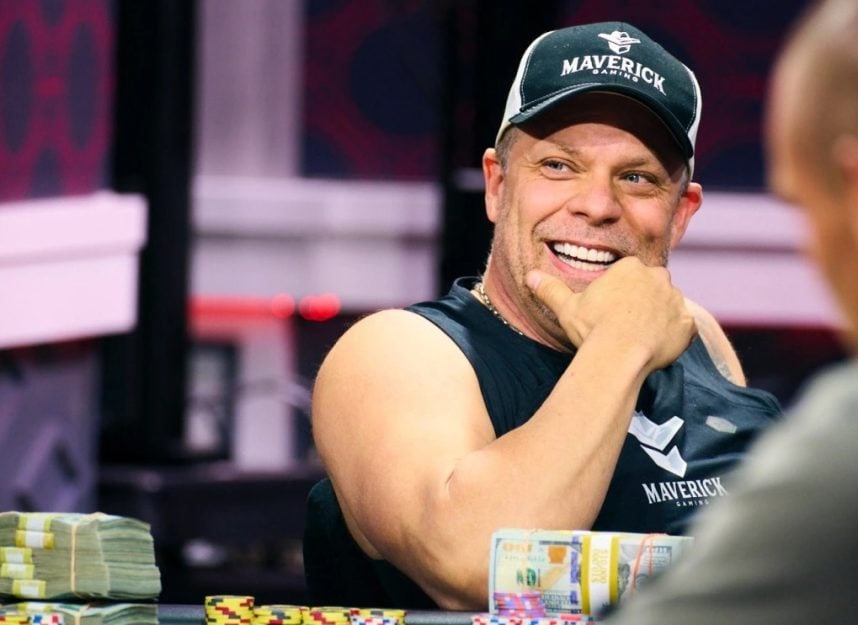
Monday’s decision was hailed by tribal gaming advocates as a win not just for Washington’s tribes, but also for tribal sovereignty nationwide.
Maverick sued Washington and the federal government in 2023, arguing that the state’s sports betting laws amounted to an unconstitutional monopoly.
After the U.S. Supreme Court struck down the federal sports-betting ban in 2018, the company went on a buying spree across Washington, snapping up 19 card rooms in 2019 alone.
Maverick was betting that lawmakers would eventually authorize commercial sports betting statewide but was frustrated when the legislature instead approved a tribes-only model in 2020.
Sovereign Rights
The case became a sovereign rights issue when Maverick moved it to federal court and the Shoalwater Bay Tribe, which wasn’t a defendant, intervened to defend its gaming rights. The tribe argued that the case could not proceed without its involvement — which its sovereign immunity prevented.
In February 2023, U.S. District Judge David Estudillo tossed the lawsuit, finding that Maverick was effectively trying to “invalidate tribal gaming compacts, an acknowledged legal entitlement.”
“Maverick seeks nothing less than a wholesale revocation of the tribes’ ability to operate casino gaming facilities,” Estudillo wrote.
The judge also concluded that the Shoalwater Bay Tribe was a necessary party to the case but could not be included in the litigation because of its sovereign immunity.
Maverick CEO and accomplished poker player Eric Persson – who, ironically, is himself a member of the Shoalwater Bay Tribe – vowed he was prepared to take the case to the Supreme Court. But the Supreme Court had other ideas. Its decision effectively upholds the lower court’s ruling, putting an end to the case.
Maverick Bankruptcy
It heaps further misery on Maverick, which in July filed for Chapter 11 bankruptcy, listing total assets and liabilities of $100 million to $500 million.
“The difference in mission could not be clearer,” Rebecca George, Executive Director of the Washington Indian Gaming Association (WIGA), told Casino.org. “Tribal and state-regulated gaming revenues go to fund government programs – from healthcare and education to housing, infrastructure and environmental restoration. In contrast, private and speculative operations direct profits to individuals and out of state (or country) investors. These laws were written to make sure gaming serves the public good, not private greed.”

 Most Read
Another Shooting Near Las Vegas Strip Casino Injures Man
 972,625 views

Vintners Oppose Napa Valley Casino
556,233 views


Conversation (2 comments)