 Main menu

Legislation
Pennsylvania Lawmakers Push Bipartisan Fix as Online Gambling Losses Mount
Posted on: June 4, 2026, 12:15h.
Last updated on: June 5, 2026, 05:31h.


- Legislation in Pennsylvania proposes a series of regulatory guardrails on iGaming and online sports betting
- Pennsylvania gamblers lost $2.77 billion to legal online casinos last year
- Online sports betting losses were around $600 million
Lawmakers in Pennsylvania say online gambling in the commonwealth has gotten out of hand. They’re ready to do something about it.
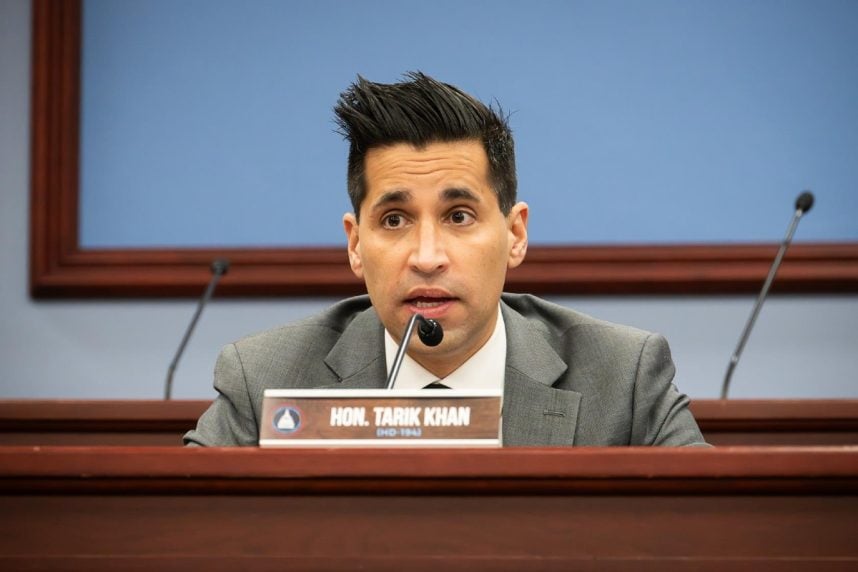
On Wednesday (June 2), state Reps. Tarik Khan (D-Philadelphia) and Jamie Flick (R-Lycoming/Union) announced a bipartisan package of bills designed to address mounting problem gambling rates and to strengthen consumer protections.
Too many young people are being exposed to online gambling through constant advertising and unprecedented access from their phones and devices. These bills are about putting reasonable safeguards in place, promoting responsible gaming, and helping ensure that young people and families are protected from gambling-related harm,” said Flick.
Khan, a nurse practitioner by trade, thinks gambling problems should be treated similarly to other public health challenges and ailments.
“I believe we should address problem gambling the same way we address other public health challenges: with prevention, education, treatment, and commonsense safeguards,” Khan said.
Forthcoming Bills
Khan and Flick say they’ll soon file three bills to help the public keep their online gambling and sports betting in check.
The Pennsylvania Online Consumer Protection Act seeks to establish “reasonable limits” on the frequency of account deposits that an online bettor can make per 24 hours.
The bill will also recommend that online casinos and mobile sportsbooks be prevented from engaging in predatory marketing practices like using push notifications and text messages to solicit play.
The Online Consumer Protection Act, Khan and Flick say, will additionally include provisions to strengthen protections against youth-related advertising and increase investments in the prevention, education, and treatment of gambling problems.
The second bill proposes a ban on online gamblers using credit cards to fund their iGaming and sports betting activity. The third bill would ban online gaming platforms from marketing to individuals who have enrolled in a self-exclusion program.
The statutes would not apply to prediction markets, which are federally regulated and therefore do not fall under the jurisdiction of the Pennsylvania Gaming Control Board.
Record Revenue, Record Problems
The Council on Compulsive Gambling of PA has reported a surge in outreach calls to 1-800-GAMBLER since Pennsylvania legalized iGaming and online sports betting. Younger people are now accounting for the bulk of the calls.
Penn State University’s 2025 Pennsylvania Interactive Gaming Assessment found that online gaming participation has reached unprecedented levels. About 30% of all Pennsylvania adults engaged in some form of online gambling last year, up 10% from the prior year.
In 2025, iGaming from legal online casinos in Pennsylvania hit a record $2.77 billion. That was 27% higher than 2024. Sports bettors lost $602.5 million, with nearly all of the action generated online.
“Pennsylvanians have gained around-the-clock access to online casinos and sportsbooks from virtually anywhere through their phones, tablets, and computers.”Khan and Flick said in their memo to the Pennsylvania House of Representatives.
“While many individuals gamble responsibly, the explosive growth of online gambling, coupled with increasingly aggressive marketing practices and a lack of commonsense guardrails, has raised concerns about addiction, significant personal debt, and the impact of problem gambling on individuals, families, and communities,” the duo added.

 Most Read

Another Shooting Near Las Vegas Strip Casino Injures Man
 972,596 views

Vintners Oppose Napa Valley Casino
556,215 views


Conversation (0)
Be the first to comment on this article.