 Main menu

Tribal Gaming
Judge Blocks Utility from Pulling Plug on Minnesota Tribal Casino Over Solar Array
Posted on: June 11, 2026, 05:38h.
Last updated on: June 12, 2026, 04:23h.


- Judge says utility cannot disconnect tribal casino over solar dispute
- Prairie’s Edge solar array expected to supply 30% of power
- Ruling could affect tribal and rural renewable energy projects
A Minnesota state judge has ruled that a rural electric utility cannot pull the plug on the Prairie’s Edge Casino Resort’s power to punish its owner, the Upper Sioux Community, for building a solar panel system.
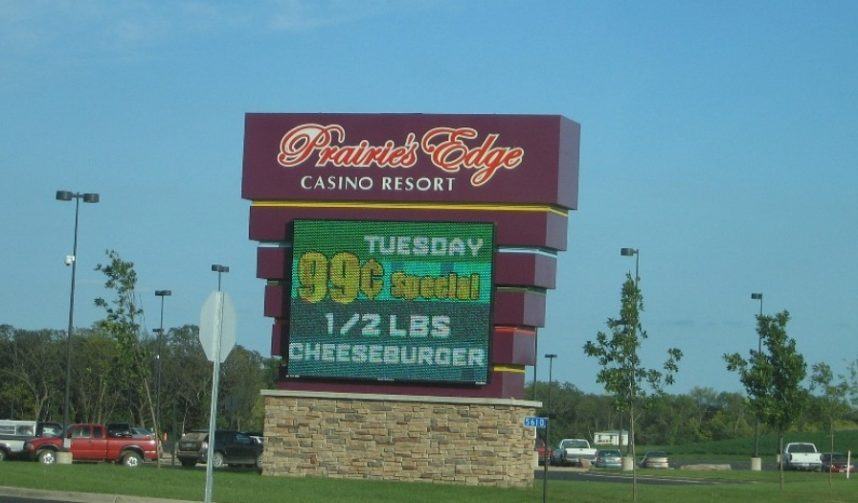
The Minnesota Valley Cooperative Light and Power Association, a small co-operative utility that serves parts of western Minnesota, claimed the tribe’s solar array, at 2.5 megawatts, vastly exceeded the 40-kilowatt limit the utility allows. It threatened to cut off power to the casino if it turned the system on.
Duty to Serve
The tribe built the multi-million-dollar system to lower electricity costs and advance its clean-energy goals. It estimates the array will supply about 30% of the casino’s power needs. The system would not feed electricity back into the grid but would serve only the casino, meaning the utility’s rules shouldn’t apply, the tribe argued.
The casino serves as the tribe’s main economic engine, helping fund housing, healthcare, education and law enforcement services.
The tribe also asserted that it’s a sovereign nation and, as such, is not subject to Minnesota’s utility laws.
Administrative Law Judge Joseph Meyer did not need to address that last point when he determined that Minnesota Valley’s policies do not prohibit so-called “behind-the-meter” generation systems that keep all electricity on-site rather than sending it back onto the grid.
He concluded that disconnecting power to the casino over the solar project would violate the utility’s obligation to provide service.
‘No Patent on Electricity’
In June 2025, the Minnesota Public Utilities Commission expressed outrage at the utility’s position, warning that cutting power to a public facility, even a casino, could endanger people who rely on air conditioning or medical devices.
One commissioner asked whether Minnesota Valley believed it had a “patent on electricity” rather than a “duty to serve.”
Hudson Kingston, legal director of Minnesota environmental advocacy group CURE, told Minnesota Public Radio July 10 that he welcomed the ruling.
“This is a very clear – very clear – decision that co-ops cannot have policies that limit behind-the-meter solar systems,” Kingston said.
“That’s great news for other co-op members, great news for other tribal governments who are thinking about making really big solar investments, and it’s great news for the continued evolution of the electrical grid towards cleaner sources of energy,” he added.

 Most Read

Another Shooting Near Las Vegas Strip Casino Injures Man
 972,697 views

Vintners Oppose Napa Valley Casino
556,303 views


Conversation (1 comment)