 Main menu

Research
Has the Gambling Boom Peaked? New Gallup Poll Shows Sharp Participation Drop
Posted on: August 18, 2026, 12:54h.
Last updated on: August 19, 2026, 04:46h.


Key Points
- Gallup says US gambling participation has fallen sharply, with 45% of adults reporting they gambled in the past year, down from 64% in 2016
- Lottery and in-person casino gambling have seen the biggest declines, while internet gambling remains the only measured form that hasn't declined
- The findings conflict with other recent surveys, but Gallup says Americans' overall acceptance of gambling has also fallen


Gambling ads may feel inescapable, but a new Gallup poll shows fewer Americans are actually taking part—despite record exposure to sports betting, casinos, lotteries, and iGaming.
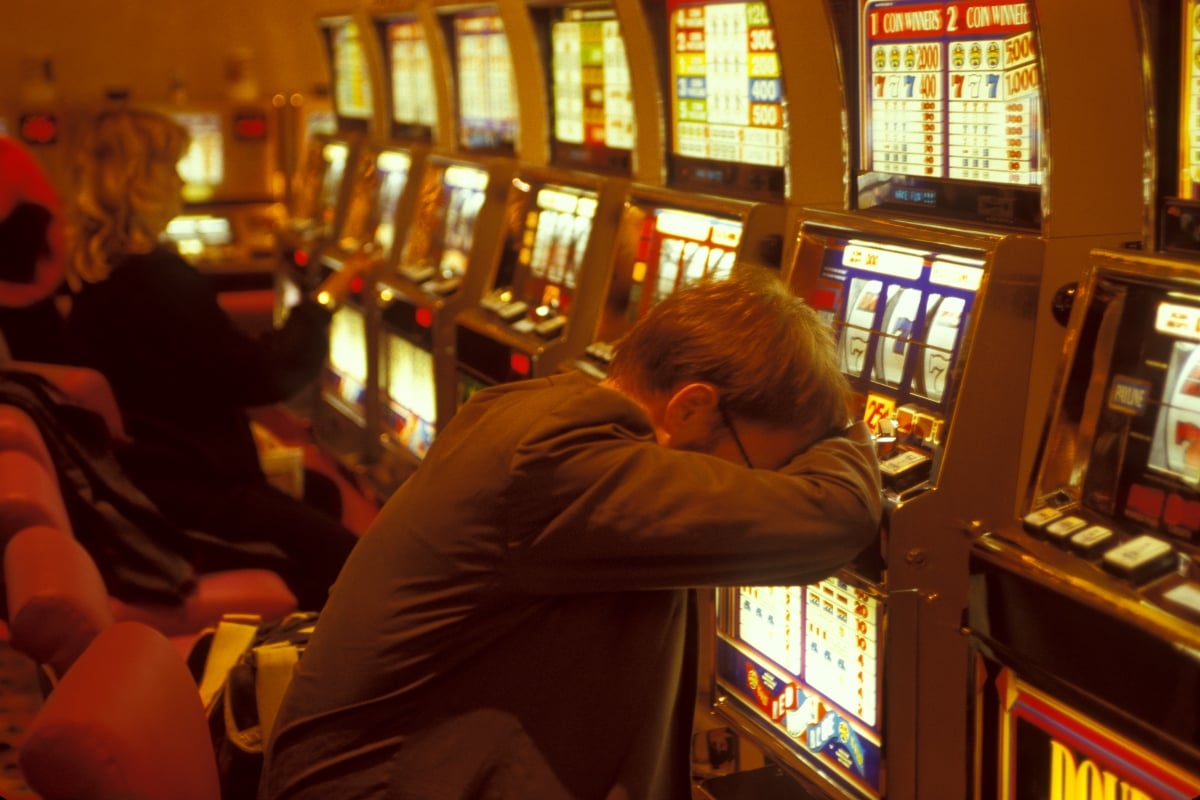
Gallup, among the most respected public opinion pollsters in the US, reported on Monday (Aug. 17) that fewer adults are gambling today than they did a decade ago.
The greatest participation declines, Gallup reports, have been experienced in three common gambling activities: buying a lottery ticket, gambling in person at a casino, or participating in a betting pool among office colleagues or friends.
In 2016, approximately 64% of US adults reported gambling in the past 12 months. In 2026, Gallup reports the participation rate is much lower at just 45%.
The percentage of US adults who bought a lottery ticket dropped from 49% to 31%, and in-person casino participation nearly halved, from 26% to 14%.
“When Gallup first asked about casino gambling in 1989, 20% said they had gambled in person at a casino. That figure grew to as high as 30% in 2003, as the number of legal casinos continued to expand in the US. The next two measures found that roughly one in four Americans had gambled at casinos, before dropping to 14% in the current survey,” Gallup wrote.
“The decline in in-person casino gambling could be a result of the rise of internet gambling. Though only 4% of US adults say they gamble for money on the internet, it is the only form measured in the survey that has not shown a decline over time,” the release explained.
The Gallup poll is based on more than 2,200 telephone interviews conducted in June and July.
Has Gambling Lost ‘Moral’ Story?
Gambling proponents argue that lawmakers shouldn’t be able to tell Americans how they can and cannot spend their money.
Moral concerns have also been pushed back on, with the industry winning over numerous states where religion is ingrained in the culture, including Mississippi, Louisiana, and Tennessee, to legalize certain forms of gambling.
However, as sports betting has exploded and become part of the sports viewing experience and other new forms of gambling have been embraced, the public’s perception of gambling has waned.
In June, Gallup reported that the percentage of Americans who say gambling is “morally acceptable” dropped from 67% in 2016 to a new low of 57%.
Gambling, Gallup believes, is losing favor. Compared with 2016, participation is lower in not only lottery and casino gambling but also office pools (-8%), parimutuel betting (-4%), video poker (-4%), bingo (-3%), and sports betting (-1% to -3%)
Conflicting Data
The Gallup poll contradicts several recent polls regarding gambling participation.
The American Gaming Association reported gambling participation reached a new high in 2025 at 57%. In 2024, the National Council on Problem Gambling estimated the gambling rate at more than seven in 10 US adults.
Gallup recognized that gamblers might be less likely to acknowledge their gambling participation in a telephone survey than they would through an online questionnaire. Gallup says it conducted a parallel online survey that put the gambling participation rate at 53%.
Regardless of the exact rate, Gallup says problem gambling is “relatively uncommon.” The telephone and web survey found that just 3-5% of adults “sometimes gamble more than they think they should.”
“Fewer Americans than a decade ago say they participate in a variety of gambling activities. Whether that decline represents a sharp turn away from gambling, reluctance from survey respondents to indicate they gamble, or both, is unclear,” Gallup explained.
“To the extent it indicates that Americans are less comfortable saying they gamble, it could be tied to lessening public acceptance of gambling or not wanting to appear to take risks with money when rising costs and affordability are major concerns.
“But the fact that today’s web estimates are still below the estimates from past phone surveys lends some confidence to the finding that fewer Americans now gamble,” Gallup concluded.

 Most Read

Another Shooting Near Las Vegas Strip Casino Injures Man
 972,714 views

Vintners Oppose Napa Valley Casino
556,319 views


Conversation (0)
Be the first to comment on this article.