 Main menu


Vegas Myths Busted
VEGAS MYTHS BUSTED: Zak Bagans Opened His Haunted Museum in an Already-Haunted Mansion
Posted on: October 26, 2026, 07:21h.
Last updated on: October 26, 2026, 04:18h.


This week is Halloween and you know what that means—it’s time to bust another self-perpetuated Zak Bagans myth!
Previously, we exposed two of the most-hyped objects in Bagans’ The Haunted Museum—the Satanic Six String and the Dybbuk Box (aka “The World’s Most Haunted Object”)—as frauds. This time, we’re going after the structure that houses his collection of occult ephemera and murderabilia.
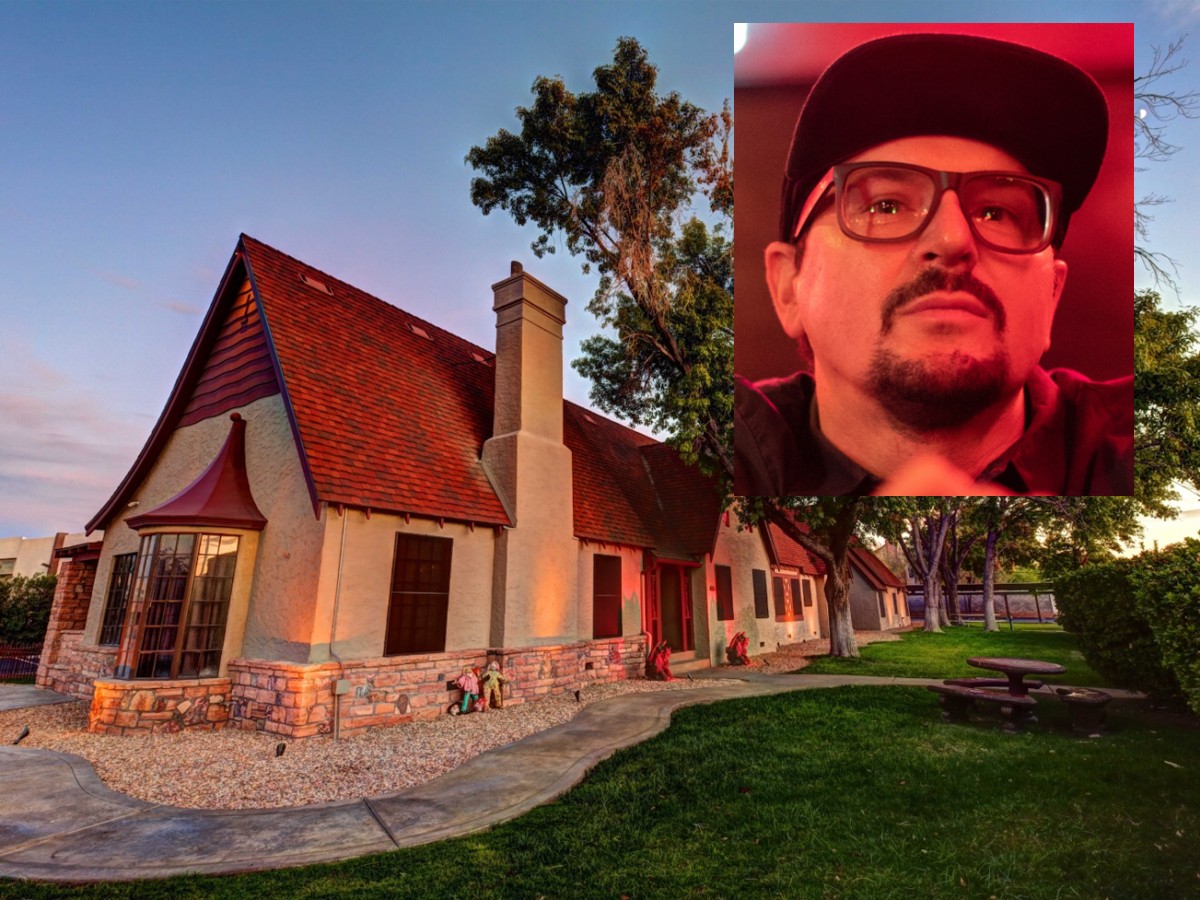
In 2015, when the host of TV’s Ghost Adventures searched for an old Downtown Las Vegas mansion to house his collection—which already included Dr. Jack Kevorkian’s “death van,” the preserved severed thumb of 19th-century bandit John Murrell, and Charles Manson’s prison TV—600 E. Charleston Blvd. seemed perfect because locals already knew it as “the witch house.”
“Some say that the Wengert family spirits haunt the residents,” Bagans says of the building during a Season 12 episode of his Ghost Adventures television series. “Others say dark rituals were performed in the basement in the 1970s.”
The Wengerts were Cyril and his wife Lottie, who had the 30-room Tudor Revival mansion built in 1938, then raised their children there.
In a 2017 Las Vegas Magazine interview, Bagans admitted that the “some” and the “others” who said the aforementioned things about the house were all one person: Rachel Vosko, co-founder of Las Vegas’ Heaven Can Wait Animal Society. Vosko, a friend of Bagans’ mother, was his only source for the house’s satanic history.
Numerous Vegas ghost-tour and occult websites happily ran with the story, adding that Vosko sneaked into the basement as a teenager when the building was vacant in the 1970s, claiming to have seen a pentagram drawn with streaks of blood, candles, and other unfamiliar symbols.
Sorry, No Vacancy
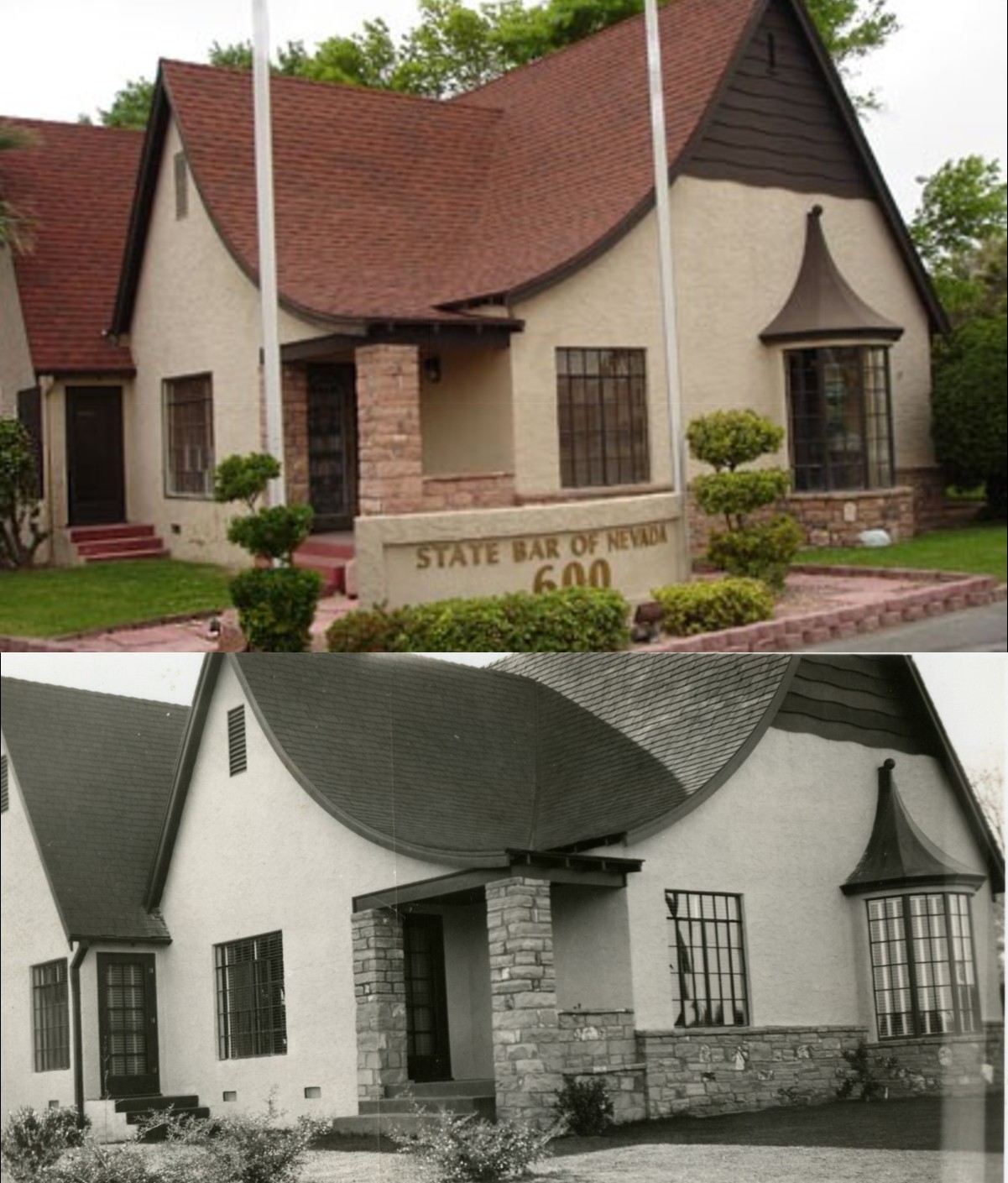
Vosko didn’t respond to multiple Casino.org requests for an interview. However, according to the Clark County Assessor’s Office, the house never sat empty for long.
After Lottie Wengert died on Sept. 14, 1968, the house’s title transferred to her son, Ward, who sold it to a commercial real estate entity called Charleston Associates Ltd. in November 1972.
Title quickly passed again to Nevada Southern Title in July 1973, to Deale Philip Q., et al., in September 1976, and later to Seven Gables Associates.
For decades, the property was fully occupied by commercial tenants and corporate offices (mostly upscale law firms).
Its final earthbound occupant was the State Bar of Nevada, which purchased the building for $1.4 million in September 1997, then sold it for the same amount to Bagans’ Hellfire Media LLC in November 2015.
Bunk Bedtime Story
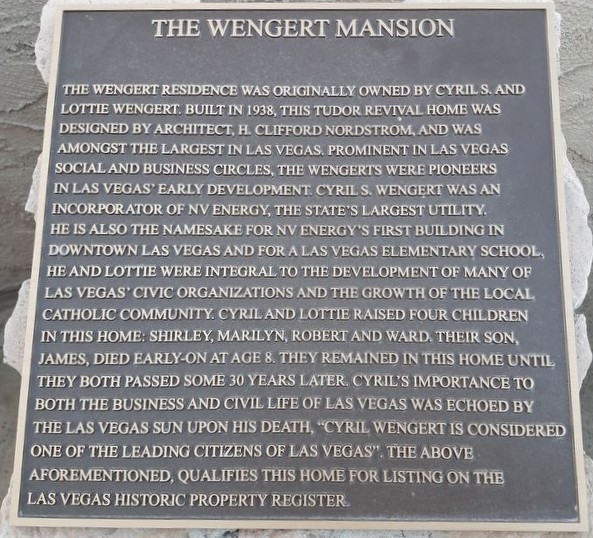
There are no pre-2015 newspaper articles, municipal records, or even urban-legend guides calling 600 E. Charleston Blvd. “the witch house.” Nor are there any reports of satanic rituals ever being conducted in its basement.
Indeed, according to a June 12, 2019 article in The Boulder City Review, the Wengert family denies that any paranormal activity ever occurred in the house while they resided there or, to their knowledge, afterward.
“The family stated that in spite of the various newspaper articles and community hysteria, the home’s hair-raising history was nothing more than a rumor gone too far, which is now used to sell tickets,” the newspaper reported.
The Truth That Wouldn’t Sell Tickets
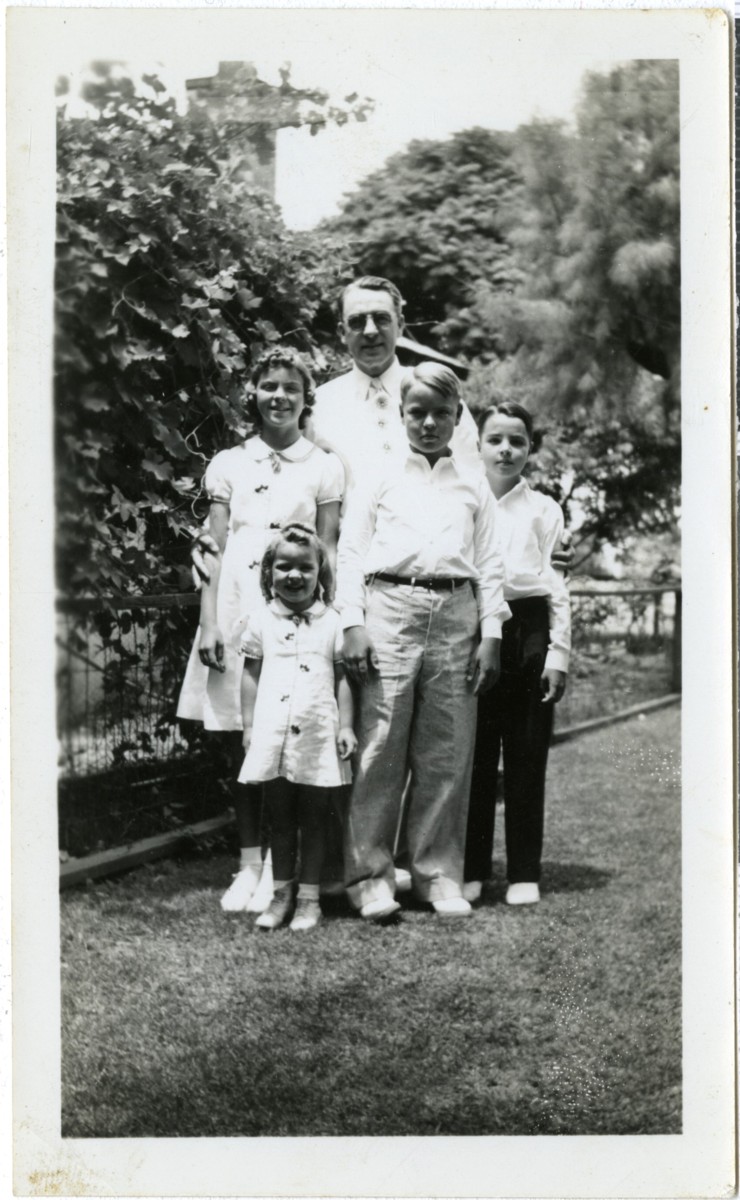
Born in Austin, Minn. in 1889, Cyril Wengert moved to Las Vegas in 1907 to join his father, who worked as an ice wagon driver for the I. C. Johnson Ice Company.
Seeking a different career path, Wengert attended Wilson’s Business College in Seattle in 1909, returning to Sin City upon accepting a job at the First State Bank of Nevada two years later.
Cyril crossed paths with his future wife, Lottie Ward, in the tight-knit civic circles of 1917 Las Vegas. She was a home economics teacher at Las Vegas High School. They courted for four years before marrying in 1921.
The couple went on to have five children. Tragically, their firstborn, Cyril Jr. (aka “Jimmie”), died following a sudden illness and unspecified surgical procedure in March 1930. He was 7.
(Sorry, Zak, Jimmie didn’t die in the building you now own. He died in a hospital—eight years before Cyril and Lottie hired noted architect H. Clifford Nordstrom to build 600 E. Charleston Blvd., one of the largest homes in Las Vegas at the time.)
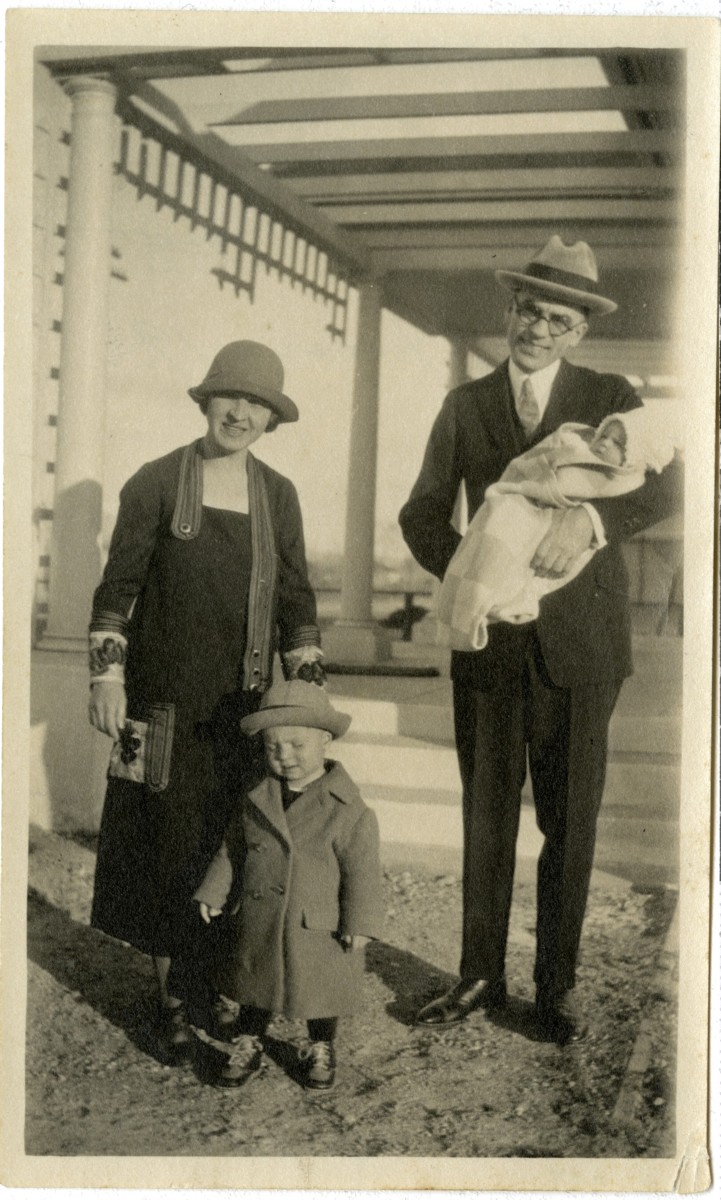
Cyril worked in banking for 35 years until 1946, when he accepted a post at the Southern Nevada Power and Telephone Company. In 1954, the utility split into two separate companies, and Wengert was appointed vice president and treasurer of Southern Nevada Power (today’s NV Energy).
Cyril worked there until he died on Feb. 27, 1965. His prominent role at the utility led it to name its headquarters in his honor in 1956. And his distinguished record of civic engagement (Rotary Club, Chamber of Commerce, Knights of Columbus, Elks Lodge, American Legion) convinced Clark County to name an elementary school after him in 1970.
The Great Pretender
It’s entirely on brand for someone in Bagans’ line of work to spin the loving home of a respected local family turned perpetually occupied law office into an abandoned lair for ghosts and Satan worshippers.
If the truth is what you seek, there are far more reliable places to look than websites trying to sell you tickets to their haunted museum or their guided paranormal tour.
Look for “Vegas Myths Busted” every Monday on Casino.org. Click here to read previously busted Vegas myths. Got a suggestion for a Vegas myth that needs busting? Email corey@casino.org.

 Most Read
Another Shooting Near Las Vegas Strip Casino Injures Man
 972,798 views
Vintners Oppose Napa Valley Casino
556,401 views


Conversation (0)
Be the first to comment on this article.