 Main menu


Prediction Markets
8 in 10 Americans Say Regulate Prediction Markets as Gambling, Not Finance
Posted on: November 13, 2026, 01:41h.
Last updated on: November 13, 2026, 01:41h.


Key Points
- An AGA poll of 2,268 U.S. adults found 82% believe prediction markets should be regulated as gambling
- Three in four respondents said trading sports event contracts is fundamentally the same as placing a sportsbook bet
- The AGA estimates prediction markets have cost states more than $1.66 billion in lost tax revenue since late 2025


New polling from the American Gaming Association (AGA) finds that a strong majority of U.S. adults believe prediction markets should be regulated as gambling products rather than financial investments.
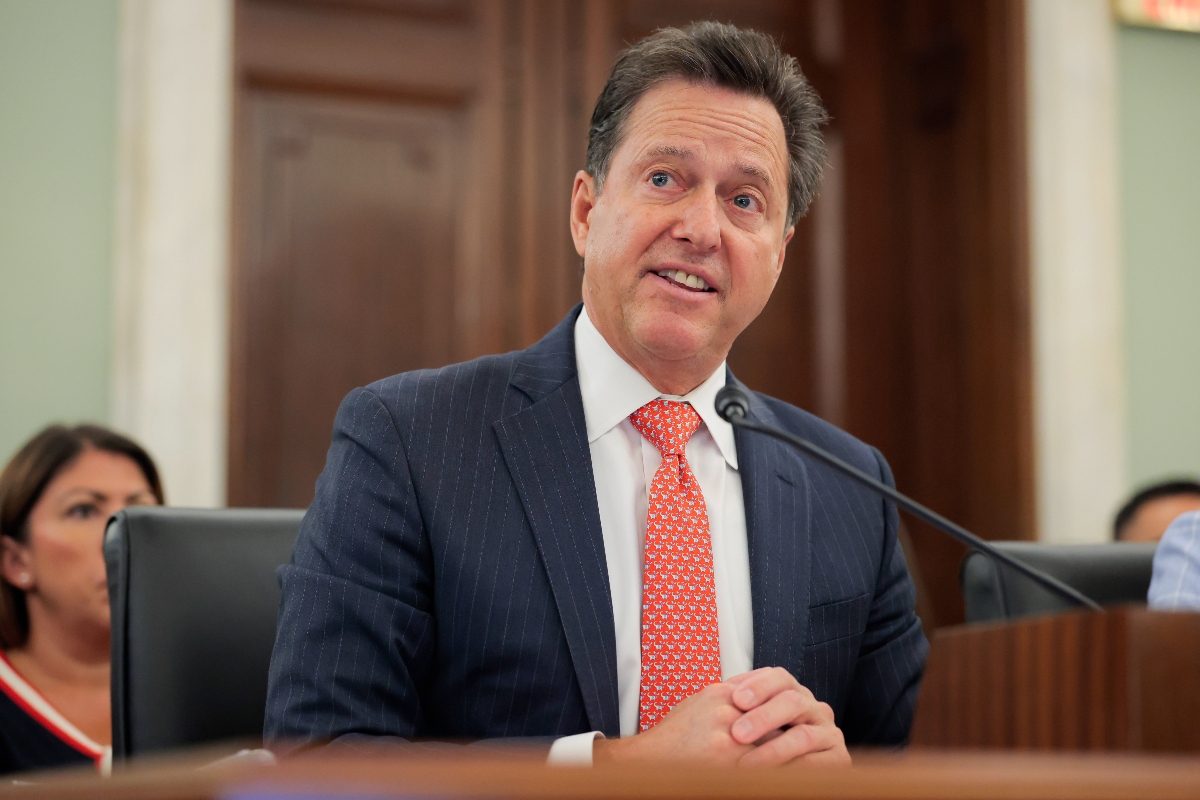
The AGA survey asked 2,268 U.S. adults about their opinions on prediction markets.
The survey found that 82% support regulating prediction markets like gambling and not financial products. The AGA said 84% of Democrats, 82% of Republicans, and 90% of independents agreed.
The poll asked, “In your opinion, should prediction markets be regulated as gambling products like sports bets, or financial products like swaps or futures contracts?”
In an era of political division, Americans are overwhelmingly united against deceptive marketing of sports gambling as investing,” said AGA President and CEO Bill Miller.
The study also reported that three in four adults think that trading sports events on a prediction market is “fundamentally the same” as betting on a sportsbook.
The AGA used Qualtrics survey research software to gauge the public’s sentiment regarding prediction markets. The prediction market study had a margin of error of plus/minus two points, according to Qualtrics.

AGA Continues Prediction Markets Opposition
The AGA is the preeminent trade group representing the interests of the commercial and tribal gaming industries in Washington and across the nation in state capitals. The organization contends that sports event contracts traded on prediction markets constitute illegal sports betting.
“Prediction market platforms are offering illegal sports betting nationwide outside the state and tribal regulatory frameworks that protect consumers. They override voter decisions, bypass key consumer protections, ignore state and tribal laws, and avoid licensing and taxes,” the AGA said.
Because prediction markets pay no state taxes on platform revenue, and some sports bettors have migrated to the exchanges, the AGA estimates states have lost more than $1.66 billion in tax revenue since prediction markets “began offering back-door sports betting” in late 2025.
Prediction markets claim they differ from sports betting in that they don’t take a side, as the trading is supposedly peer-to-peer. However, the other side is often institutional trading firms and electronic market-making companies like Susquehanna International Group, a company that generated revenue of $22.1 billion in 2025.
Americans Increasingly See Prediction Markets as Gambling
The AGA prediction markets poll suggests that an increasing number of Americans think the platforms should be treated as gambling products.
In March, a poll conducted on behalf of the American Institute for Boys and Men found that 61% of U.S. adults viewed “purchasing event contracts on prediction markets as closer to gambling than investing.” More than nine in 10 said they view trading on prediction markets as a “financially risky” endeavor that’s similar to investing in cryptocurrency or placing a sports bet.
About 59% of respondents agreed that prediction markets should be regulated similarly to gambling.


 Most Read

Another Shooting Near Las Vegas Strip Casino Injures Man
 973,089 views

Vintners Oppose Napa Valley Casino
556,676 views


Conversation (0)
Be the first to comment on this article.