 Main menu


Las Vegas
‘No Regrets’: Ex-Bookie Mathew Bowyer Tells His Side of Las Vegas’ Biggest Modern Gaming Scandal
Posted on: November 19, 2026, 04:15h.
Last updated on: November 19, 2026, 04:19h.

Key Points
- Ex-bookie Mathew Bowyer says he does not belong in Nevada's Black Book
- Bowyer says IRS liens wiped out his assets and forced taxes on unpaid bets
- Other than involving his family in his legal troubles, he says he has no regrets


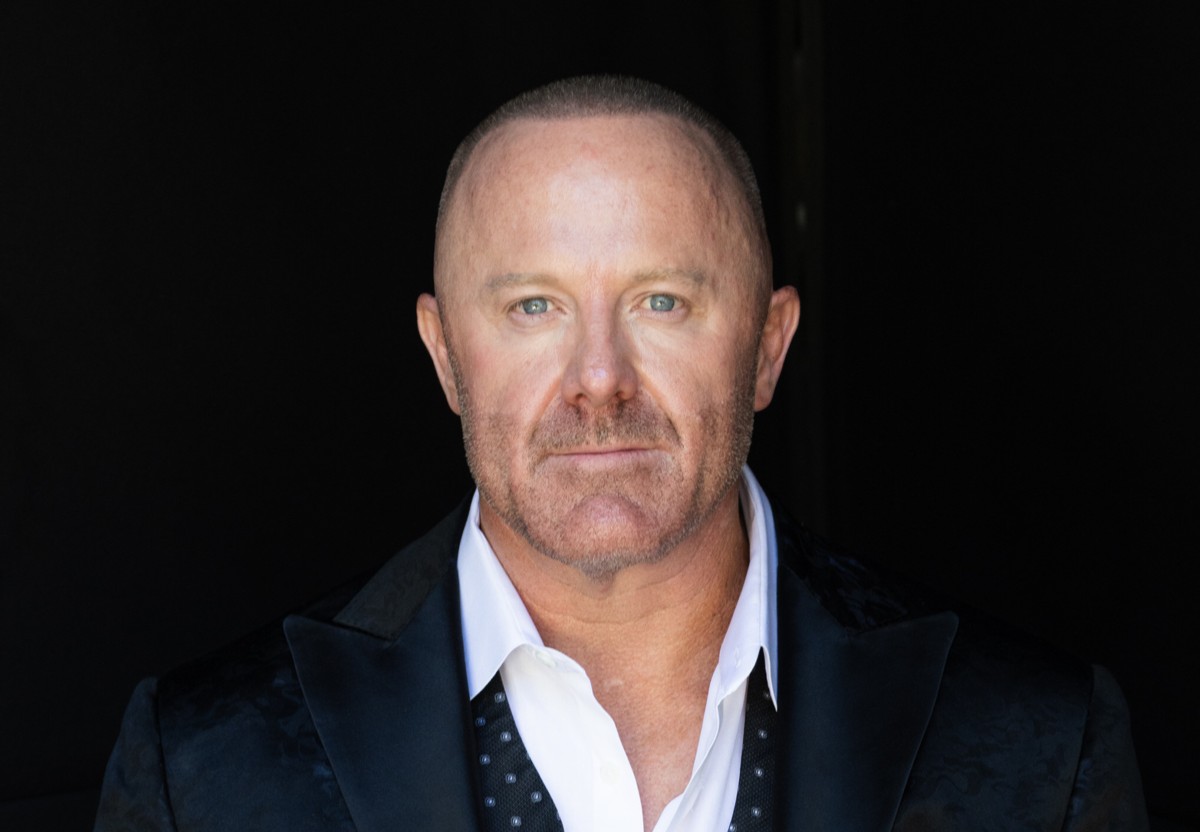
Mathew Bowyer became the face of modern illegal sports betting during the 2024 Shohei Ohtani interpreter scandal. He served five months in federal prison after pleading guilty in August 2024 to operating an illegal gambling business, money laundering and filing a false tax return.
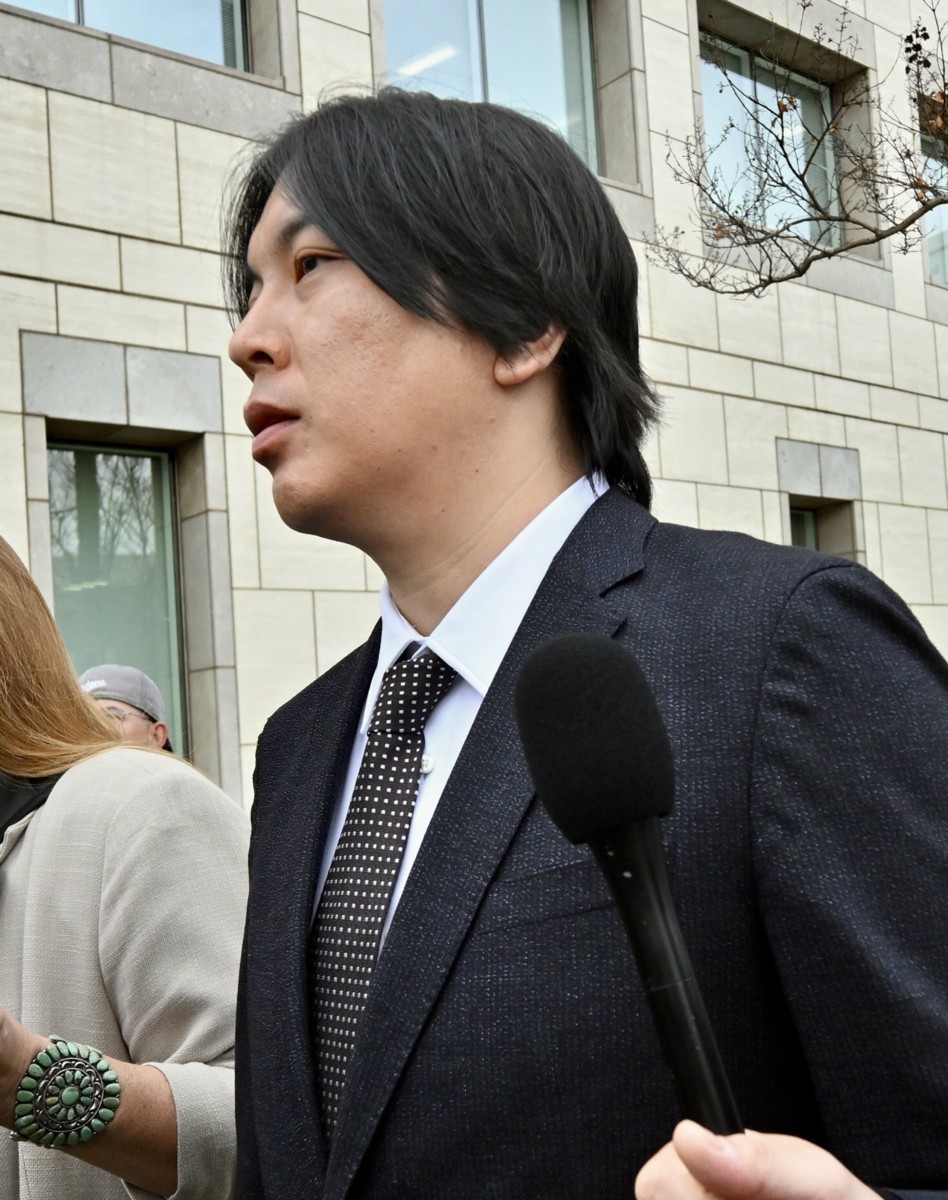
Among the more than 700 gamblers who placed bets through Bowyer was Ippei Mizuhara, who was sentenced in February 2025 to four years and nine months in prison for stealing an estimated $17 million from his employer, Dodgers superstar Shohei Ohtani.
Bowyer’s illegal gambling activities contributed to serious regulatory consequences, including $34 million in combined penalties against four casino operators. The Resorts World, MGM and Caesars fines rank as the second-, fourth- and fifth-largest ever imposed by Nevada gaming regulators.
Now 51, Bowyer chronicled his rise and fall in a book, 2025’s Recalibrate, and is currently producing a video series at mathewbowyer.tv examining the lives of all 39 people named in the Nevada Gaming Control Board’s infamous “Black Book,” the list of individuals permanently banned from entering Nevada casinos.
He’s currently profiling No. 5 on the list. When he reaches the final entry, No. 39, the subject will be himself.
Casino.org spoke with Bowyer this week via Zoom from his home in San Juan Capistrano, Calif.
Q: How does it feel to have triggered the biggest regulatory scandal in modern Las Vegas history?

A: And also the biggest sports betting scandal in history. That, too. But how does it feel? I mean, obviously I never anticipated that happening and I feel terrible for some of the people that lost their jobs because of it. I never wanted any of my actions to unemploy anyone—especially people that were not even involved and had no part of my business, and were just literally casino hosts.
Brad Hayslip and Jennifer Belcastro are two really good human beings who are no longer in the casino business because of this, and that bothers me to this day. The people who really should have had more consequences were the compliance people.
Q: Is profiling the people listed in the Black Book an effort to educate people about the history of the list, to rehabilitate your own reputation, or something else?
A: I would say a combination of those two things. I’d like to restore my image as much as possible. I like to help people and I also like to educate. Sharing the Black Book stories is one way I can do that.
But the main thing is to truly impact and inspire people to be more knowledgeable about some of the poor choices and mistakes that I’ve made in my life.
Gambling is a sick disease and it’s a big addiction. I have a double-edged sword feeling towards it because, clearly, I made a lot of money as a bookmaker and it fed my family and my lifestyle, and I have some of the greatest moments and memories because of gambling.
So I don’t have a problem with gambling. I just have a problem with the gambling addiction of people who, including myself, take things out of control and spiral and end up going down a dark path.
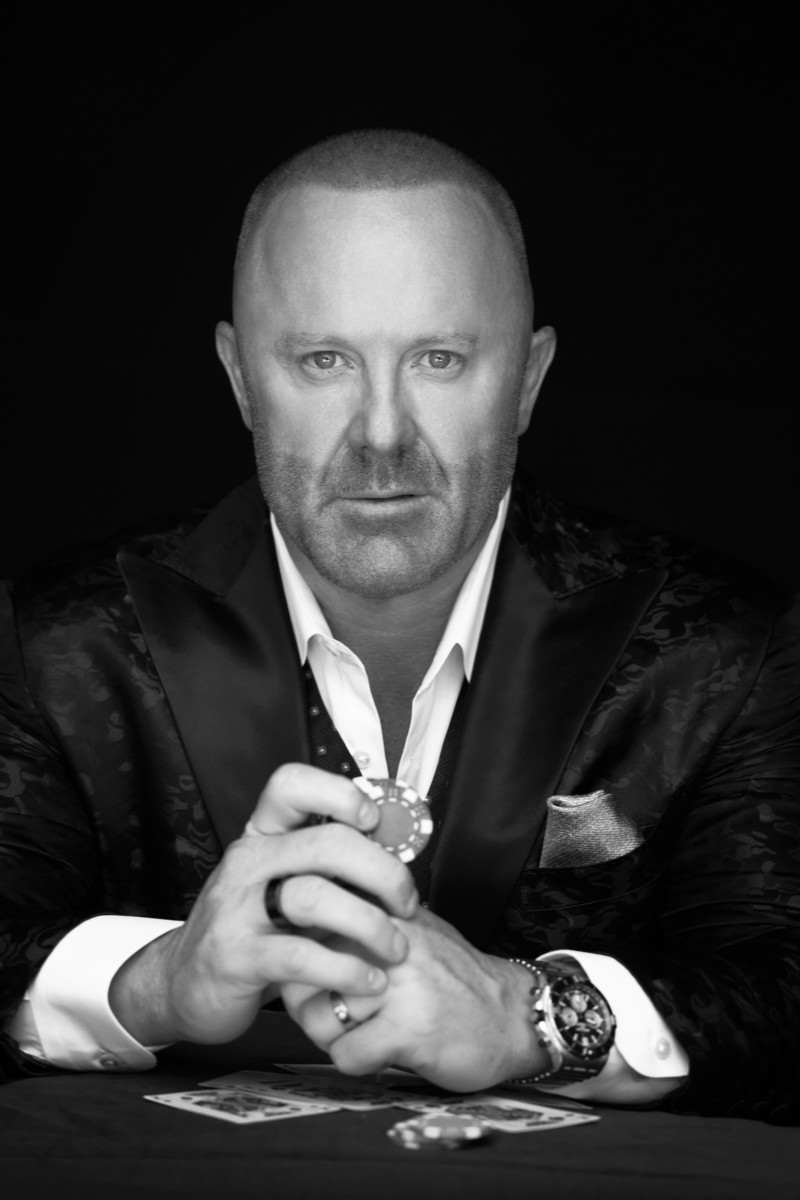
Q: Are you in a program right now?
A: Yeah, I go to Gamblers Anonymous every Monday.
Q: Were you able to keep most or any of your money? You transferred some of it into real estate, obviously.
A: Yes and no. I spent a ton. I lost over $20 million in casinos in 2023 alone.
I do own some properties, but the IRS has put liens on them. So yes, I had some real estate and they pretty much have gobbled that up. The issue that I’m having now is the United States government. That’s a problem for me financially.”
What people don’t realize is I paid millions of dollars in taxes over the years. I wasn’t a bookmaker who didn’t pay taxes.
But what they didn’t allow me to do is write off my losses against my income.
And because I didn’t know what I made as a bookmaker in 2022, my tax attorney said, “Matt, the one thing we cannot do is under-report. If anything, we have to over-report or report money that you don’t even know you received because that would be another charge.”
I didn’t want another criminal charge or another felony. So we had to figure out, through my website, all the bets that I took on money I never received. And frankly, I was stiffed a lot of money and not paid because of my crime. Anyone who owed me money was running for the hills, of course, because it’s a debt they didn’t want to pay.
So I had to pay taxes on a lot of money that I never received. That’s why my tax bill is so big and outstanding.
Q: You’ve said that you don’t believe you belong in the Black Book?
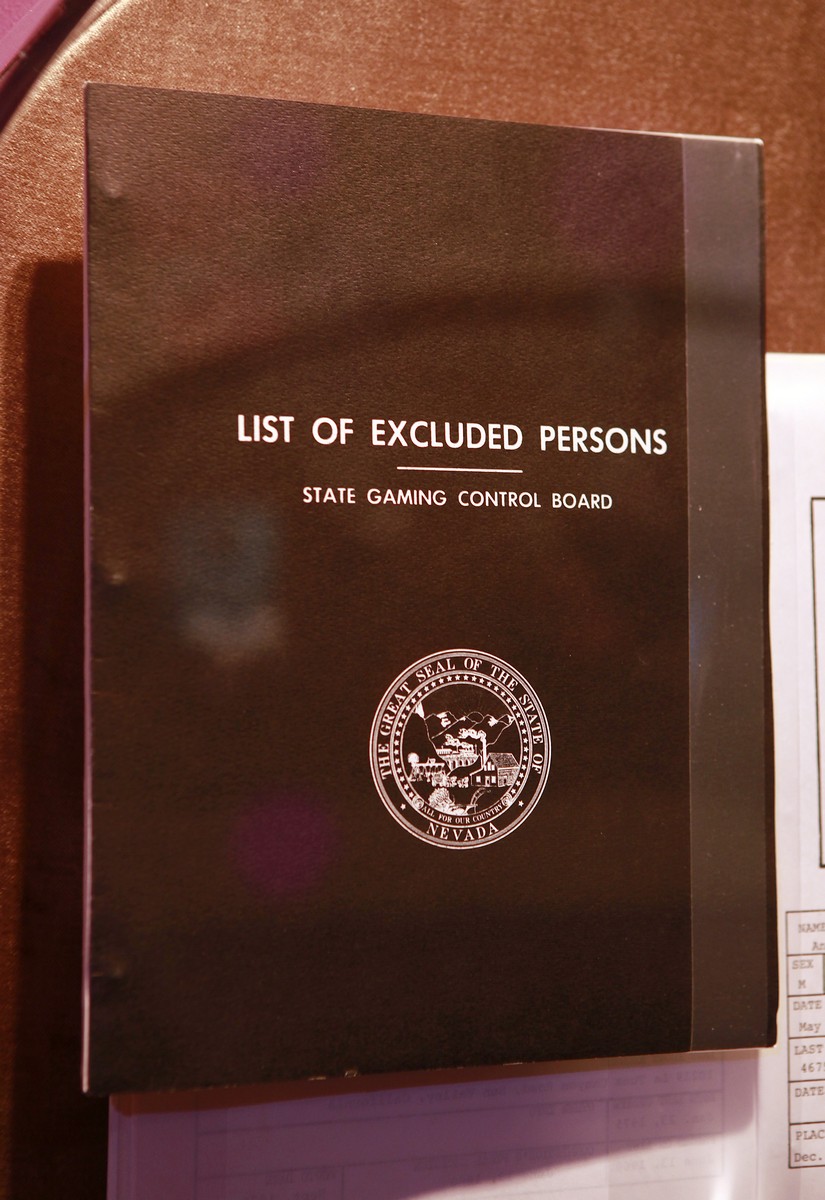
A: Definitely not. I don’t want to ever sound not accountable for my actions. I’ve never tried to act as if I wasn’t doing something illegal or wasn’t wrong. Even though I don’t agree with the laws, I knew what they were.
The Black Book, though, to me should be for someone who was a mobster murderer or cheated the casinos, who did something really bad to the state of Nevada.
In my opinion, I was great to the state of Nevada by being a huge source of income to so many employees in that town, from bellmen to pit bosses to restaurants, waiters, nightclubs, you name it.
I understand why they are upset that I was committing a crime by laundering money through the casinos. But the real truth of it is that I didn’t use the casinos as a money-laundering business. It just turned out that way.
I actually used it because I had a gambling problem and I wanted to go there and gamble.
The reason I went to Nevada is because my wife and I negotiated great deals with the casinos. It wasn’t solely to ‘oh, let’s wash the money.’ I was already paying millions in taxes and I had been for years.
People forget I was a commodity trader for 11 years. I made millions of dollars legitimately. Everyone just reads the glamorous reports of the media and they think that’s all I ever did.
Q: Walk us through how your operation functioned day to day.

A: I moved roughly $5 million to $7 million on Mondays throughout the country, making sure everyone got paid and agents were handled. I had 48 agents across the country. That was a lot of logistics.
Clearly, an illegal bookmaking operation is run mostly because of anonymity and credit. And that’s what I provided better than anyone. I had a lot of celebrities and athletes and CEOs who were betting through my organization. And I always did not give out their information to anyone, including the feds, when they came to me.
A lot of people who gamble at a really high level are not looking to have IRS microscopes into their personal finances. Even if they’re not doing anything wrong, they just don’t want that headache or that audit. When you put money through casinos or DraftKings, it puts some additional eyes on your life.
I also provided a very good service in reference to paying people on Mondays, which a lot of bookmakers don’t do. I was known as a guy who would pay you on Mondays in whatever format you wanted, whether it was Venmo, cash, Apple Pay, crypto, wires, or casino chips. That flexibility allowed me to grow and to serve a lot more people.
Q: How did you decide which clients to accept and which to cut off?
A: Vetting customers is probably the biggest challenge in a credit-based business.
We would clearly find out what you’re looking for credit-wise, why you’re looking for that credit line, how much you bet per game, and whether your referral source was huge.
If I was referred to a customer from somebody who was a really good customer, the circle that you come from is everything in life. If you came in through somewhat of a shady character or circle that’s not well known to pay on time, then I would request you post up 50%, or a good portion, of the account. I would be a little bit more skeptical and start you off with much smaller limits and build a rapport.
Q: Did your clients understand the legal exposure they were creating?
A: I didn’t have an in-depth conversation with each one of them. But I think everyone who bets through an illegal bookmaking operation understood what’s happening.
Q: What did investigators want from you once you decided to cooperate?
A: We made an agreement with the United States government that I wouldn’t discuss anything except for the casino business and what was happening between me and the casinos.
That’s why nobody in my case got in trouble. No agents, nobody below me.
Everyone thinks I just completely ratted and went in there and told them everything. That’s not the case at all. I did tell them how I sent money (to poker player Damien LeForbes) and how the transactions occurred. Because he was a customer at Resorts World—and my agreement with the government was to discuss Resorts World only—when they read the WhatsApp message between Damien and me, they had us dead to rights, both of us.
As far as the casino, yeah, I admitted because I knew nobody in the casino would get arrested. In fact, I knew it was just basically going to be a money grab, which is still ongoing. The case is still open and it looks like they’re striking out.
I didn’t tell them about the Shohei Ohtani situation at all. I never discussed it until ESPN came to my home in January 2024. That would have never have come if Tisha Thompson didn’t show up at my home, identifying me as his bookmaker.
So talking about my customers, to this day, I still haven’t. I’ve had many athletes that were playing with me. I’ve never mentioned any of their names. And even the names that came up were not from me. Even if you look at my book, I’ve only mentioned a couple names. One was a gentleman who stiffed me for $12 million, so I did that on purpose. And the Ippei Mizuhara situation was public.
Q: Is anonymity the reason you think illegal bookmaking still thrives after the legalization of sports betting and prediction markets?
A: Yes. People don’t want to endure the financial colonoscopy of putting money into DraftKings, FanDuel, or prediction markets. They would rather deal with someone that they can call up in two seconds and, instead of loading money on a credit card or wiring money, say, “Give me $20,000 on a game” or “$20,000 credit.” It’s just so much easier.
Q: What do most people get wrong about you?
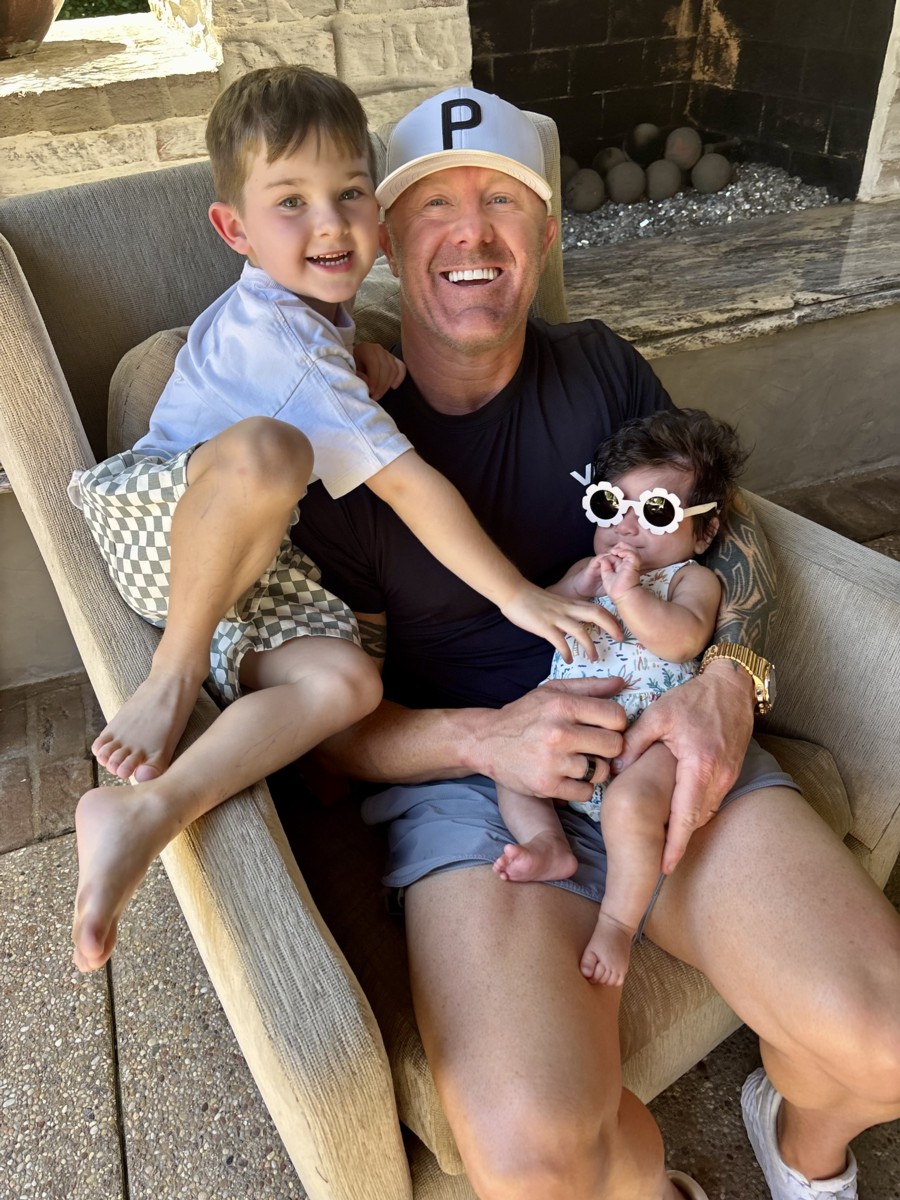
A: I’m not an angel by any means. I don’t sit here and act like I’m this guy who goes to church every Sunday and is perfect. I’m not. But I’m a good person. I’ve always been a great dad. I could be better. I’ve never cheated on my wife. I’ve never done a drug in my life.
My addiction was gambling. I loved it. Sports and gambling are two things that I’ve loved since I was a boy. So to me, I just dove into something I loved and didn’t really think it would ever land me in prison. I definitely didn’t think I’d be taking a billion dollars in wagers a year in my life.
I’m trying to find that passion now in public speaking and giving back, which I can honestly say I’m enjoying.
Q: If you had the chance to do it over, what would you do differently?
A: I just wouldn’t want to drag my family through it. So I would have chosen something legal—even though I don’t agree with the laws I was charged with—that I could have been very successful at.
But I would also at the same time answer that question with complete honesty by saying that I have no regrets. Because I wouldn’t be the person I am today if I didn’t go through the trials and tribulations that I went through.

 Most Read
Another Shooting Near Las Vegas Strip Casino Injures Man
 973,156 views

Vintners Oppose Napa Valley Casino
556,735 views


Conversation (0)
Be the first to comment on this article.