 Main menu


Sports Betting
Johnson Wants to Double Chicago Sports Betting Tax
Posted on: November 18, 2026, 04:54h.
Last updated on: November 18, 2026, 04:54h.


Key Points
- The mayor is again looking to sports betting in an effort to plug a budget shortfall
- His 2027 budget proposes raising the city-specific sports betting tax to 20% from 10.25%
- The previous tax hike is being challenged in court


In a bid to partially close an $882 million budget gap, Chicago Mayor Brandon Johnson (D) is proposing a near doubling of a city-specific sports wagering tax – one that’s currently under legal challenge.
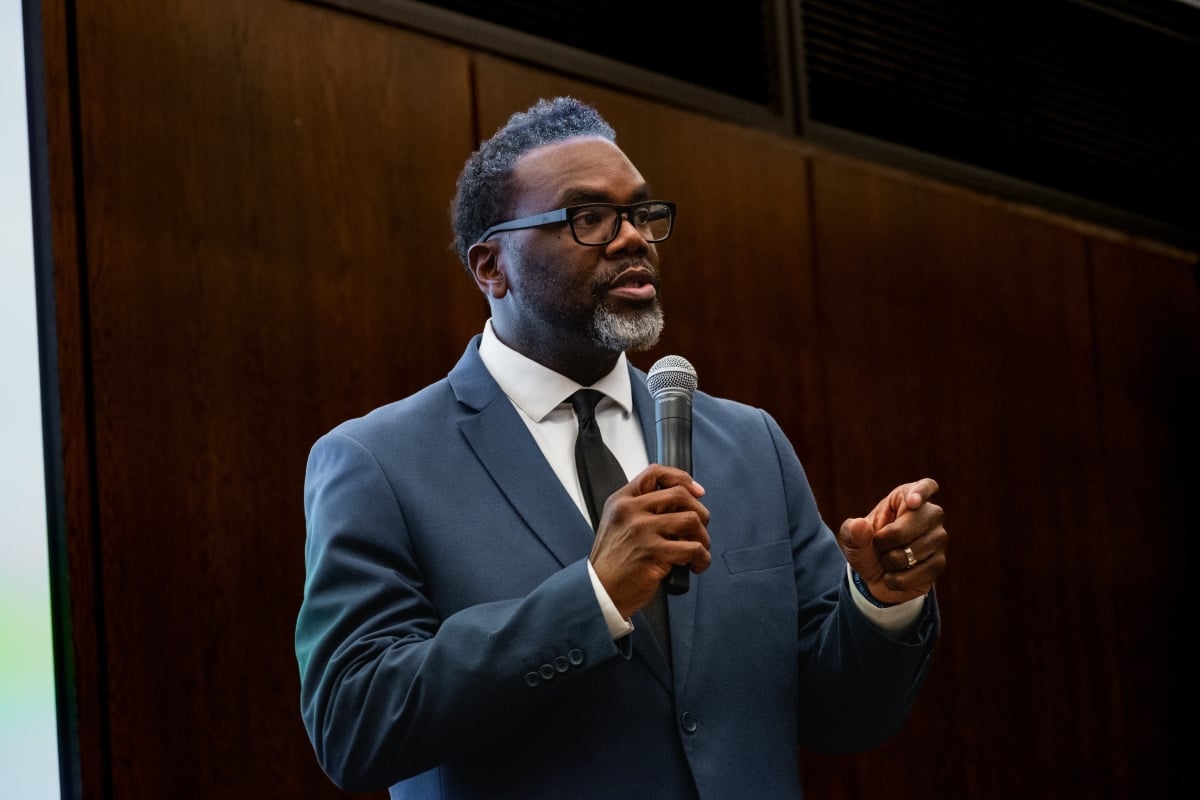
Johnson’s 2027 budget of $17.6 billion calls for nearly doubling the sports betting tax of 10.25% he pitched last year to 20%. The city estimates the higher rate would raise an additional $37 million per year, or barely enough to put a dent in the $882 million shortfall.
In an effort to spin the tax in a favorable light in the court of public opinion, Johnson notes that sports wagering tax receipts are “generated from the companies — not the actual bettors.” That perspective ignores the fact that a prior statewide sports betting tax hike resulted in some operators implementing per bet levies that were directly felt by customers.
Another Chicago Tax Hike Could Be a Tough Sell
Johnson could face an uphill battle in boosting the city’s sports wagering tax to 20% because the prior move to 10.25% is being legally challenged by the Sports Betting Alliance (SBA), which represents commercial sportsbook operators.
If the SBA is successful in its litigation against the Windy City, not only does that diminish the odds that Johnson can ram through another related tax increase, it makes the city vulnerable to possibly having to refund the money it collected on the 10.25% levy.
“If state lawmakers succeed in blocking Chicago’s sports betting tax, the city could lose $76.9 million in anticipated annual revenue for 2027, including the projected $37 million from the increase,” according to Illinois Policy. “A successful lawsuit could prove even more costly. Beyond losing the revenue stream, the city could be forced to refund taxes it has collected, depending on the court’s ruling.”
There’s also the possibility that if Chicago’s sports wagering taxes continue climbing and if operators pass associated costs onto bettors, customers will move to alternatives such as offshore sportsbooks or prediction markets.
Chicago Tax Faces Another Challenge
In addition to the aforementioned SBA lawsuit, Johnson’s original 10.25% sports betting tax increase is being challenged by state lawmakers of his own party who argue that the city doesn’t have the authority to implement a sports wagering levy that’s separate from state taxes.
“In late 2025 Rep. Daniel Didech, D-Buffalo Grove, filed House Bill 4171, which ‘Denies home rule units the power to regulate, license, or tax sports wagering,’” adds Illinois Policy. “Senate Bill 2800 and 2760 similarly seek to block and establish a financial penalty if a city forces operators to pay local sports betting fees.”


 Most Read
Another Shooting Near Las Vegas Strip Casino Injures Man
 973,140 views

Vintners Oppose Napa Valley Casino
556,721 views


Conversation (0)
Be the first to comment on this article.