 Main menu

Financial
MGM Growth, Other Gaming REITs Slammed by COVID-19, But Portfolio Diversity Could Ease Investor Pain
Posted on: March 12, 2020, 11:55h.
Last updated on: March 12, 2020, 01:37h.


Gaming real estate investment trusts (REITs), including MGM Growth Properties (NYSE:MGP), are experiencing sharp share price declines alongside their operator tenants ecause of the spreading of the coronavirus throughout the US. But those with strong exposure to multiple markets could bounce back, according to some analysts.
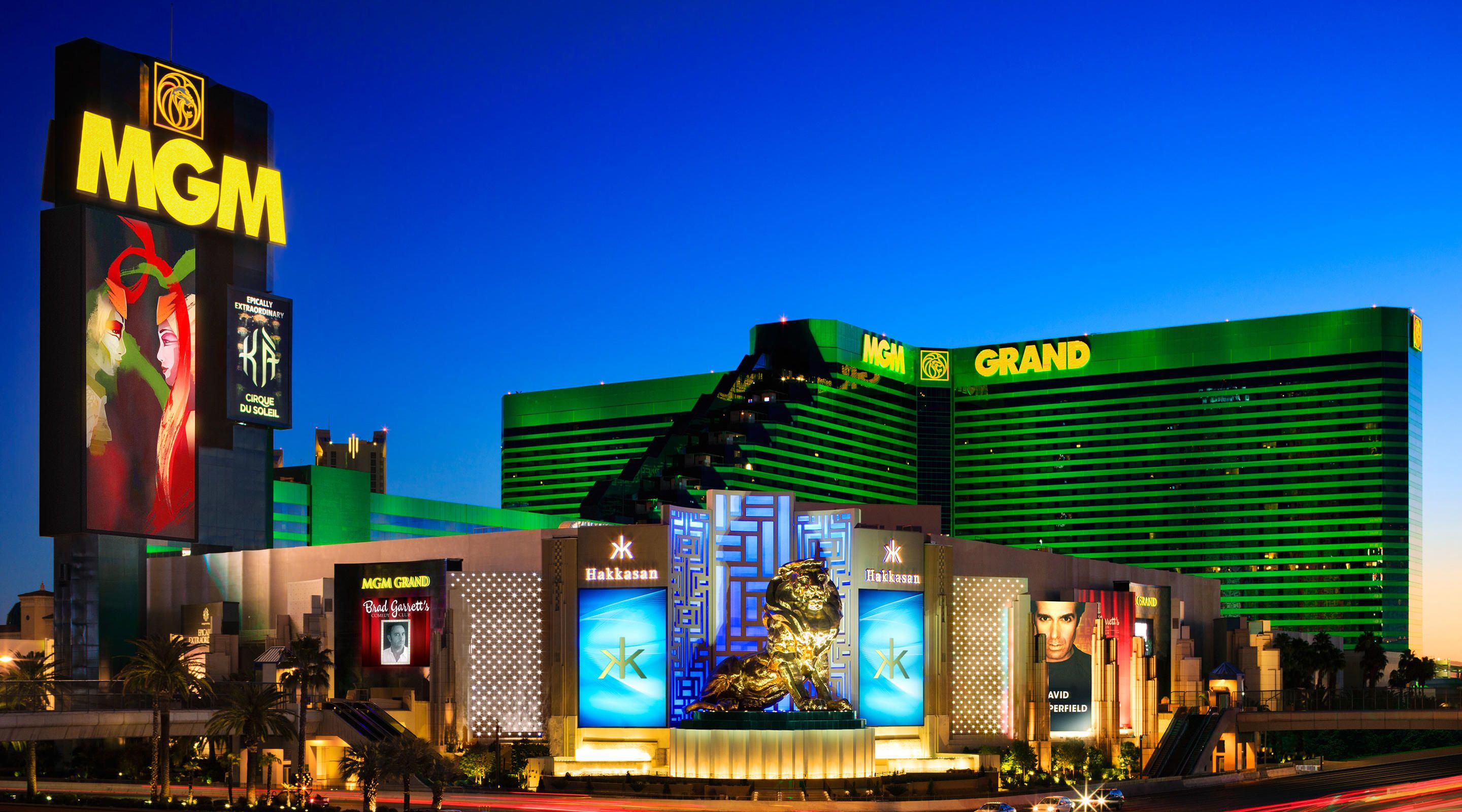
REITs are usually viewed as a defensive asset class, a reputation that has been belied in the recent market meltdown. Declines for gaming release firms, such as MGP, have been exacerbated by a spate of high-level conference and meeting cancellations affecting Las Vegas, as well as speculation that leisure travelers are postponing visits to gaming venues because of the COVID-19 pandemic.
Properties with longer-term leases to tenants that may face outsized coronavirus-related operating stress are subject to risk over the medium term,” said Fitch Ratings in a recent note.
Gaming leases are typically long-term, spanning five to 10 years to upwards of multiple decades. Entering Thursday, shares of MGP were lower by almost 33 percent this month, a decline that’s significantly less bad than the 43.69 percent shed by the REIT’s marquee tenant – MGM Resorts International (NYSE:MGM).
Diversity Matters
MGP and other gaming REITs have geographically diverse portfolios, though markets appear to be focusing on Sin City exposure over the near-term. In Las Vegas, MGP owns the property assets of the MGM Grand, Mandalay Bay, The Mirage, Luxor, and Excalibur.
“Portfolio diversification and ample earnings before interest, taxes, depreciation, amortization, and restructuring or rent costs (EBITDAR)/rent coverage should help minimize downside risk for some issuers,” said Fitch.
Outside of the Strip, MGP owns the real estate of the MGM Springfield, the Borgata in Atlantic City, N.J., MGM National Harbor in Maryland, and MGM Grand Detroit, among others.
“MGM Growth Properties generates roughly 40% of its rent from assets on the more cyclical Las Vegas Strip. But its regional assets are diversified, helping to insulate MGM from individual market-level underperformance,” notes Fitch.
Underscoring the point that regional diversity and lack of Las Vegas concentration matters in the current environment, Gaming & Leisure Properties (NASDAQ:GLPI) came into Thursday with a month-to-date loss of 18.42 percent. That’s still dismal, but far less bad than MGP’s decline.
GLP owns the real estate of 43 gaming venues across 17 states, but has just one Las Vegas holding – the M Resort Spa Casino.
Long-Term vs. Short-Term
With the lack of clarity regarding when the US will contain the COVID-19 situation, near-term pressure is likely to remain on gaming REITs. But the group appears positioned to weather this storm.
“Gaming and leisure properties with assets concentrated in markets relying on tourism, convention, or conference demand could be severely affected by a reduction in consumer demand due to coronavirus fears,” according to Fitch. “However, these property types have long-term, often cross collateralized leases with reasonably healthy asset level EBITDAR coverage to support near-term cash flow.”
Vici Properties (NYSE:VICI) is the other major domestic gaming real estate firm. That stock came into today with a March loss of 25 percent, but is lower by 15.86 percent with 75 minutes left in Thursday’s session.


 Most Read

Another Shooting Near Las Vegas Strip Casino Injures Man
 972,799 views

Vintners Oppose Napa Valley Casino
556,402 views


Conversation (0)
Be the first to comment on this article.