 Main menu


Legal
London High Court Clears Gambling Company in Man’s Suicide
Posted on: November 17, 2026, 10:09h.
Last updated on: November 17, 2026, 10:09h.


Key Points
- A London High Court judge dismissed a lawsuit accusing Betfair of contributing to customer Luke Ashton's 2021 suicide
- Judge Jonathan Swift ruled there was insufficient evidence of gambling disorder and that Betfair had no legal duty of care to protect Ashton
- The decision follows a similar 2023 ruling against Betfair, though UK gambling regulations still require licensed operators to provide responsible gaming safeguards


A High Court judge in London has dismissed a lawsuit against Betfair alleging that the British gambling company caused or materially contributed to a 40-year-old customer’s death by suicide.
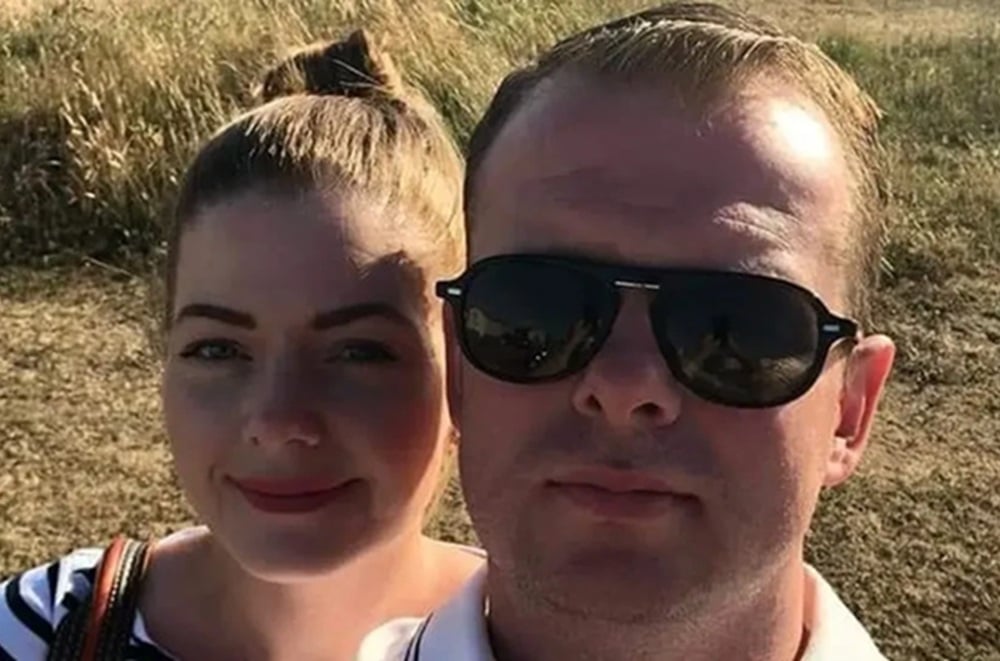
Luke Ashton took his own life in April 2021. His widow, Annie Ashton, claimed in a lawsuit that Betfair contributed to his death after he racked up £18,000 worth of debt (US$23,745) gambling on the betting exchange.
Judge Jonathan Swift rejected the plaintiff’s claims that inducements and free bets that fueled Mr. Ashton’s gambling and led him into despair. Swift ruled that Betfair wasn’t liable for his death.
“There is no sufficient evidence to support the conclusion that Mr. Ashton did suffer from gambling disorder and that, being so, no possible basis on which the requirement for foreseeability could be met,” the ruling said.
Ashton’s widow sued Flutter Entertainment, the parent company of Betfair that additionally owns British gambling brands Paddy Power and Sportsbet, on allegations that it was negligent in not recognizing Mr. Ashton’s gambling disorder. The lawsuit claimed Betfair’s operation was purposely designed to induce addictive gambling.
No Duty of Care
Swift concluded that Betfair had no duty of care to shield vulnerable customers who suffer from gambling-related harm. Attorneys for the gambling platform argued that previous courts have sided with operators in that they generally have no duty to “protect problem gamblers from the consequences of their actions.”
While we welcome the court’s ruling, this is a tragic case, and we once again offer our sincere condolences to Mrs. Ashton and her family,” read a statement from Flutter.
Ashton’s attorneys said Betfair failed to intervene after Mr. Ashton demonstrated severe gambling problems. They presented evidence including Mr. Ashton self-excluding from the betting exchange in 2017 for six months. When he returned, he was inundated with promotions and incentives designed to keep him wagering.
Messages sent from Mr. Ashton to his wife were also read in court, including one admitting that his “mental health (was) all over the place” and that “gambling was just the straw that broke the camel’s back.”
Swift’s ruling comes two years to the month after High Court Judge Nigel Bird reached a similar conclusion in a case claiming Betfair had a duty of care to protect a problem gambler.
The general position [in British law] is that a person does not owe a common law duty of care to prevent A London High Court judge dismissed a lawsuit accusing Betfair of contributing to customer Luke Ashton’s 2021 suicide after gambling losses
Judge Jonathan Swift ruled there was insufficient evidence of gambling disorder and that Betfair had no legal duty of care to protect Ashton
The decision follows a similar 2023 ruling against Betfair, though UK gambling regulations still require licensed operators to provide responsible gaming safeguardsothers suffering harm as a result of their own acts,” Bird ruled.
Responsible Gaming Obligations
Although courts have ruled that gambling companies do not owe a duty of care to protect players from their own vices, the United Kingdom Gambling Commission (UKGC) requires operators to promote responsible gaming and offer tools to keep play in check.
The UKGC’s License Conditions and Codes of Practice force gaming licensees to implement safe gambling provisions that “put customers at the heart of the business.”


 Most Read

Another Shooting Near Las Vegas Strip Casino Injures Man
 973,133 views

Vintners Oppose Napa Valley Casino
556,718 views


Conversation (0)
Be the first to comment on this article.