 Main menu

Crime & Scandals
Macau Crime Boss ‘Broken Tooth’ Koi’s Hidden Ties to Beijing Exposed
Posted on: June 25, 2025, 05:10h.
Last updated on: June 25, 2025, 05:10h.


- Triad boss linked to Chinese political elite
- US sanctions accuse Wan of global criminal activity
- Beijing’s denials clash with new evidence
“Broken Tooth” Wan Kuok Koi, once and perhaps still boss of the 14K Triads in Macau, is closer to the Chinese government than the politburo in Beijing is prepared to admit, according to a Wall Street Journal investigation.
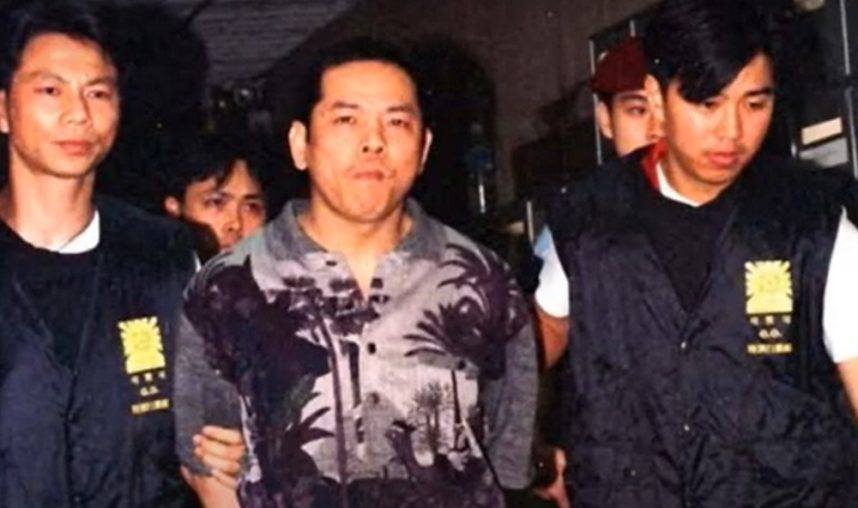
Wan, long associated with Macau’s junket-driven casino industry of the 1990s, now leads the World Hongmen History and Culture Association. The group publicly promotes Chinese culture abroad, but the US government says it functions as a front for organized crime, with operations spanning Southeast Asia, Africa, and the Pacific.
The group has played a direct role in promoting Chinese foreign policy objectives, including supporting Beijing’s Belt and Road Initiative, advocating for unification with Taiwan, and providing security for Chinese officials overseas.
But in 2020, the US Treasury sanctioned Wan and the Hongmen association, citing involvement in drug trafficking, illegal gambling, racketeering, and money laundering.
Public Denials
While Chinese authorities have publicly denied connections to Wan, the WSJ investigation suggests differently. Between 2015 and 2020, Wan was identified in Chinese state media as a member of the Chinese People’s Political Consultative Conference, an elite CCP advisory body.
In 2020, months after the Foreign Ministry denied any affiliation, he was photographed in Beijing receiving an award for “patriotism” from an entity tied to the People’s Liberation Army.
The investigation also found Wan meeting with provincial officials in Hainan earlier this year to discuss cross-border currency cooperation. In Cambodia, Hongmen leaders took part in a closed-door meeting with a CCP-affiliated organization during President Xi Jinping’s April state visit, focused on the security of overseas Chinese nationals.
Turf Wars
Wan earned notoriety in the 1990s when he led the 14K during a vicious turf war against rivals the Shui Fong, as they fought for control of Macau’s illegal gambling dens and legal casino VIP rooms.
Wan was arrested in May 1998, shortly before the opening night of a movie the gangster had financed about himself.
In November 1999, Wan was sentenced to 15 years in prison on charges including illegal gambling, loansharking, criminal association, and attempting to car-bomb a local police chief.
His imprisonment symbolized the end of triad dominance in Macau. Just one month later, Portugal handed control of the territory back to China, ending more than a century of colonial rule. Macau, once a loosely governed enclave where organized crime flourished, was entering a new era under Beijing’s oversight.
Wan was released in 2012 into a new Macau. In his absence, the region liberalized its casino industry, becoming the wealthiest gaming market in the world.
Global Operator
After prison, Wan reinvented himself as a global operator. In Malaysia, authorities say he has dabbled in online scams and stock manipulation. In Myanmar and Laos, special economic zones tied to Wan’s network have become hubs for gambling-related fraud and human trafficking, according to United Nations reports.
While Beijing has repatriated many overseas scammers targeting Chinese nationals, Hongmen’s operations have been largely untouched, something analysts say reflects a pattern of state protection in exchange for loyalty.
Wan has denied involvement in criminal activity since his release from prison, claiming in a recent video shared on Hongmen channels that his sole goal is to “serve [his] country.”

 Most Read
Another Shooting Near Las Vegas Strip Casino Injures Man
 972,624 views
Vintners Oppose Napa Valley Casino
556,232 views


Conversation (0)
Be the first to comment on this article.