 Main menu

Legal
Valve Attorneys Liken Loot Boxes to Happy Meal Toys, Not Gambling
Posted on: May 26, 2026, 07:29h.
Last updated on: May 26, 2026, 10:21h.


- Valve is pushing back on claims that loot boxes mimic gambling
- The games developer likens purchasing and opening a loot box to purchasing and opening a Happy Meal toy
Valve Corporation has asked a New York State Court in Manhattan to dismiss a lawsuit alleging its in-game loot boxes constitute gambling.
The video gaming developer claims the rush of opening the digital prize packs is no different than a child opening a McDonald’s Happy Meal toy.
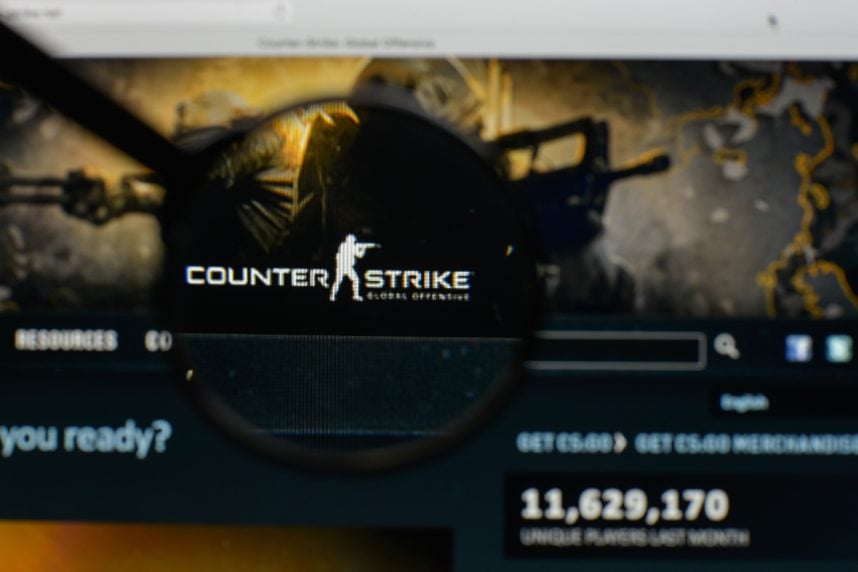
In February, New York Attorney General Letitia James filed claims against Valve that the video gaming publisher’s loot boxes allow children and adults alike to “illegally gamble for the chance to win valuable prizes.”
In its motion to dismiss, attorneys for Valve say James is seeking to set a dangerous precedent. “If purchasing a video game asset package constitutes gambling, wouldn’t a Happy Meal, baseball card pack, and Chuck E. Cheese arcade also be gambling?
Can parents purchase packs of baseball cards for their children? Can families go to Chuck E. Cheese to play games of chance and exchange winning tickets for prizes? Can a child reach into a cereal box and grab a surprise toy?” the motion asked.
“All of these actions and more could lead to chargeable crimes under NYAG’s interpretation of gambling,” Valve argued.
What Are Loot Boxes?
Loot boxes allow video game players to obtain better weapons and armor, improved character talents, and coveted character wardrobe. Regular gameplay leads to a limited number of virtual treasure chests. The boxes are more commonly purchased with in-game currency.
Valve is the developer behind such popular titles as Counter-Strike, Dota, Half-Life, and Team Fortress. Video game analysts estimate that the privately held Kirkland, Washington-based company generated over $1 billion from Counter-Strike loot boxes alone in 2025.
In Counter-Strike, loot boxes typically go for $2.50. The cases contain everything from common items to ultra-rare weapons. While the vast majority of loot boxes provide only everyday pieces with zero real-world cash value, a rare AK-47 skin recently sold for $1 million.
Players can buy and sell valuable skins in peer-to-peer marketplaces, including the official Steam Community Market. Critics say the slim chance of winning a coveted in-game asset keeps players hooked. Valve disagrees.
People enjoy surprises. Part of the appeal from many collectibles, from baseball cards to cereal boxes, is the possibility of opening a sealed package and being surprised with a rare item,” the legal filing continued.
Valve’s defense concluded that no court or legislature has ever deemed such a consumer business as illegal gambling.
AG: Loot Boxes Meet Gambling Definition
In her complaint, James asserts that Valve’s loot box products meet the definition of gambling.
The state AG says, under New York law, a person “engages in gambling when he stakes or risks something of value upon the outcome of a contest of chance or a future contingent event not under his control or influence.”
“Illegal gambling can be harmful and lead to serious addiction problems, especially for our young people. Valve has made billions of dollars by letting children and adults alike illegally gamble for the chance to win valuable virtual prizes,” said James.
“These features are addictive, harmful, and illegal, and my office is suing to stop Valve’s illegal conduct and protect New Yorkers,” James added.

 Most Read

Another Shooting Near Las Vegas Strip Casino Injures Man
 972,735 views

Vintners Oppose Napa Valley Casino
556,337 views


Conversation (0)
Be the first to comment on this article.