 Main menu

Mafia
The Nevada Black Book’s Most Notorious Inductees
Posted on: June 30, 2026, 11:44h.
Last updated on: July 2, 2026, 07:15h.


Last week, the Nevada Gaming Commission removed two dead Kansas City mobsters from its Black Book (officially the List of Excluded Persons) — proving once again that death is pretty much the only road to removal. (Regulators recently made that clear when they refused a hearing for living petitioner Francis Citro Jr.)
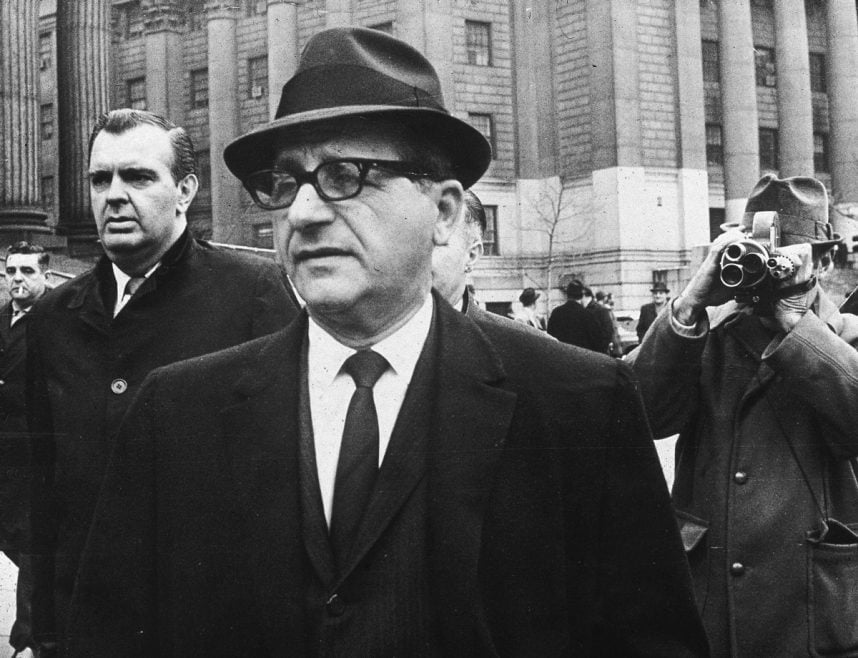
On June 13, 1960, the Nevada Gaming Control board released a released a makeshift publication bound together with scotch tape, which they nicknamed the “Black Book” after the color of its binding.
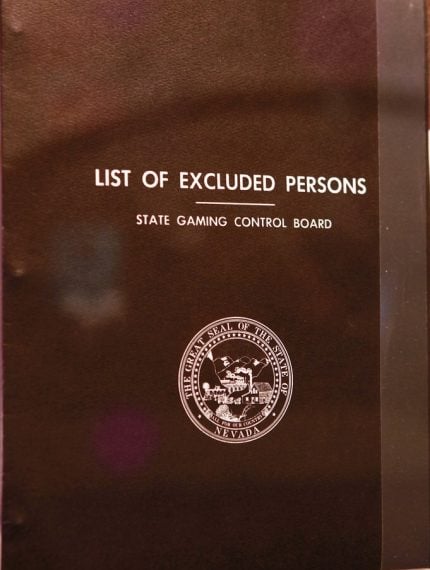
The book listed eleven “persons of notorious or unsavory reputation” who were to receive life-long bans from owning, managing, or even entering any Nevada casino.
While the current list contains around three dozen names, they’re mostly modern slot cheats and scammers whose names — other than Matthew Bowyer, the illegal bookie who nearly brought down the Las Vegas Strip last year — most people wouldn’t recognize. Its most historically significant and notorious figures are almost all tied to organized crime during Las Vegas’s mob era.
With that in mind, here are the 10 most notorious individuals ever to have been listed in the Black Book. Because the state does not officially rank members by notoriety, this list is subjective and based on a combination of their criminal activities, direct impact on Nevada casinos, and lasting public infamy.
Seven were among the original 11 names placed on the list in 1960 (designated as Class of 1960), while the other three were added later as the mob’s influence over Las Vegas reached its final peak.
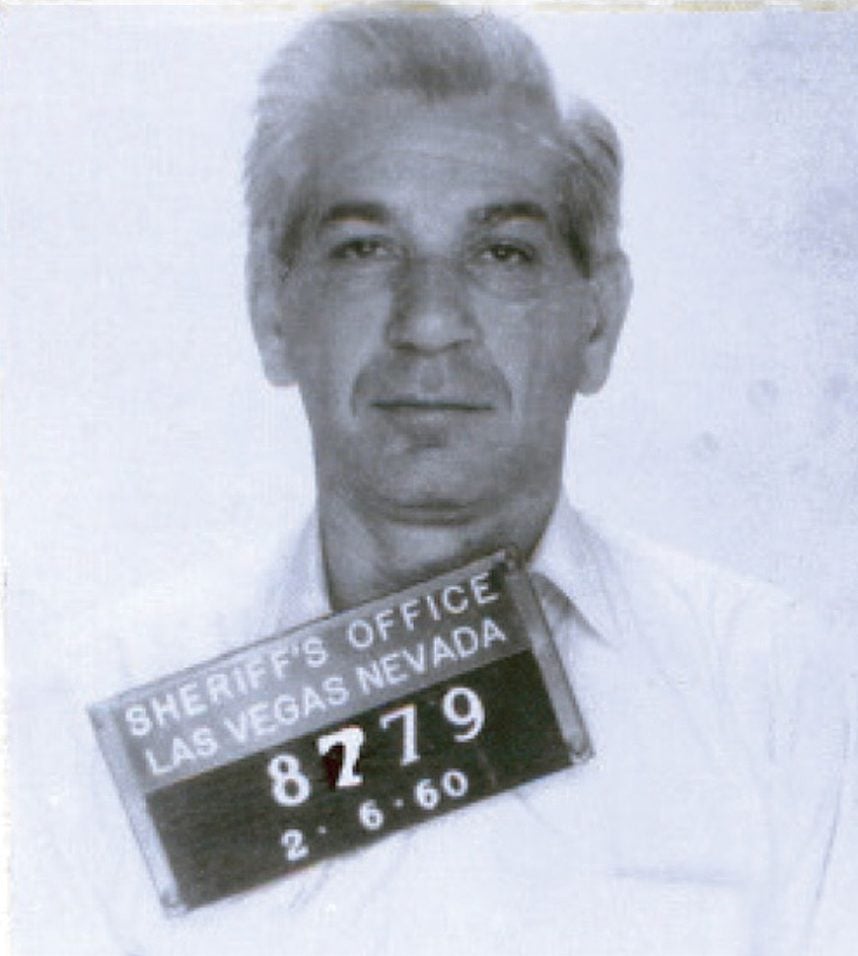
#10. John “The Bat” Battaglia
(Class of 1960)
A prominent soldier in the Los Angeles crime family, Battaglia was a close associate of L.A. mob boss Louis Tom Dragna and high-profile fixer Johnny Roselli, spending the 1950s and ’60s deeply embedded in the West Coast underworld. Battaglia’s antics actually accelerated the rollout of the Black Book. On February 7, 1960 — just months before the exclusion list was finalized — local sheriff’s deputies spotted Battaglia and Dragna dancing with their wives at the Desert Inn’s exclusive Sky Room. The duo was promptly arrested on suspicion of vagrancy, a standard law enforcement tactic of the era used to disrupt mobsters using the Strip as their playground.
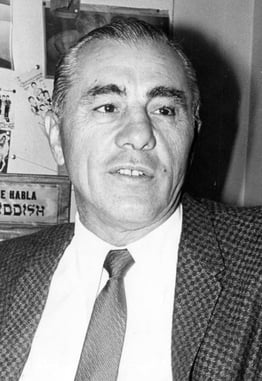
#9. Joseph “Wild Cowboy” Sica
(Class of 1960)
Sica was a violent mob enforcer who cut his teeth tied to Mickey Cohen’s bookmaking organization before joining the L.A. crime family. Beyond his hidden interests in Nevada gambling, Sica dominated the Southern California illegal bookmaking market alongside his brother, Fred. His aggressive muscle tactics eventually caught up with him shortly after his Black Book induction: In 1961, Sica was convicted in a massive federal extortion case alongside boxing underworld kingpin Frankie Carbo for violently shaking down the manager of welterweight boxing champion Don Jordan.
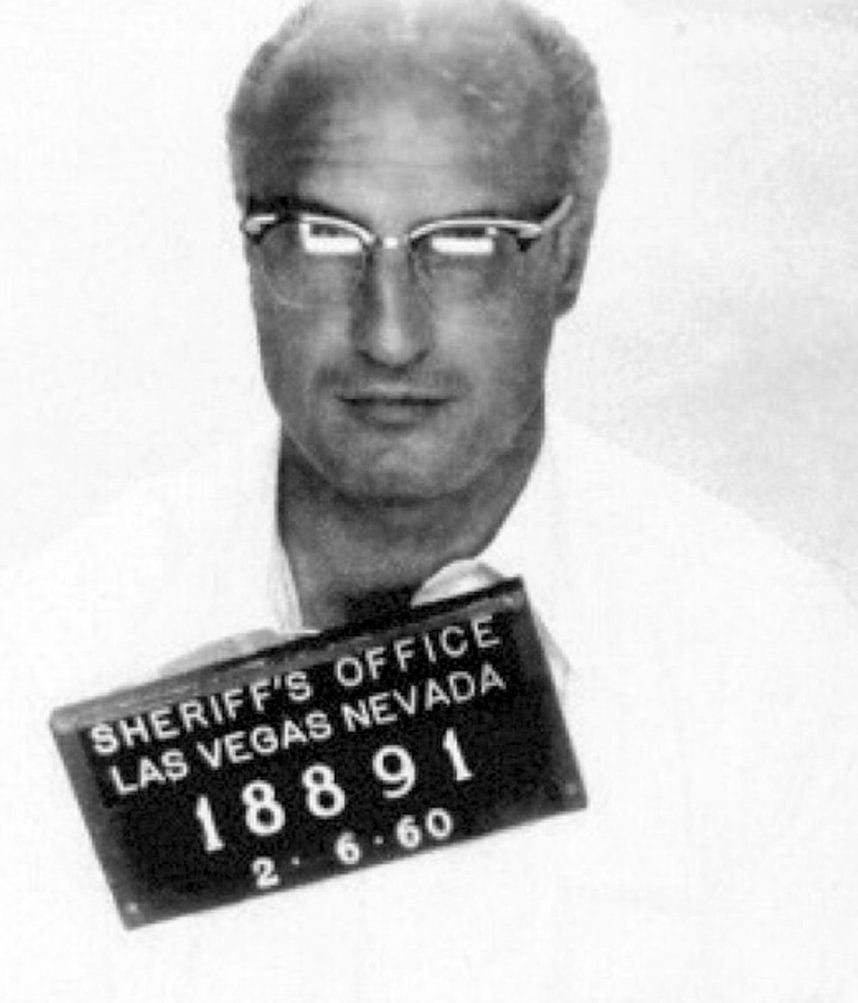
#8. Louis Tom Dragna
Class of 1960
Dragna (born Gaetano Dragna) was added to the inaugural list for his rank as a captain and acting boss of the L.A. crime family, which was heavily suspected in myriad Vegas skim and extortion schemes. Dubbed “The Reluctant Prince” by mob turncoat Jimmy “The Weasel” Fratianno, Dragna preferred running a highly profitable, $10-million-a-year legitimate garment company over executing street-level violence. Dragna was the final surviving member of the original Class of 1960. Following his death at age 92 in 2012, the Nevada Gaming Commission formally removed his name in 2014.
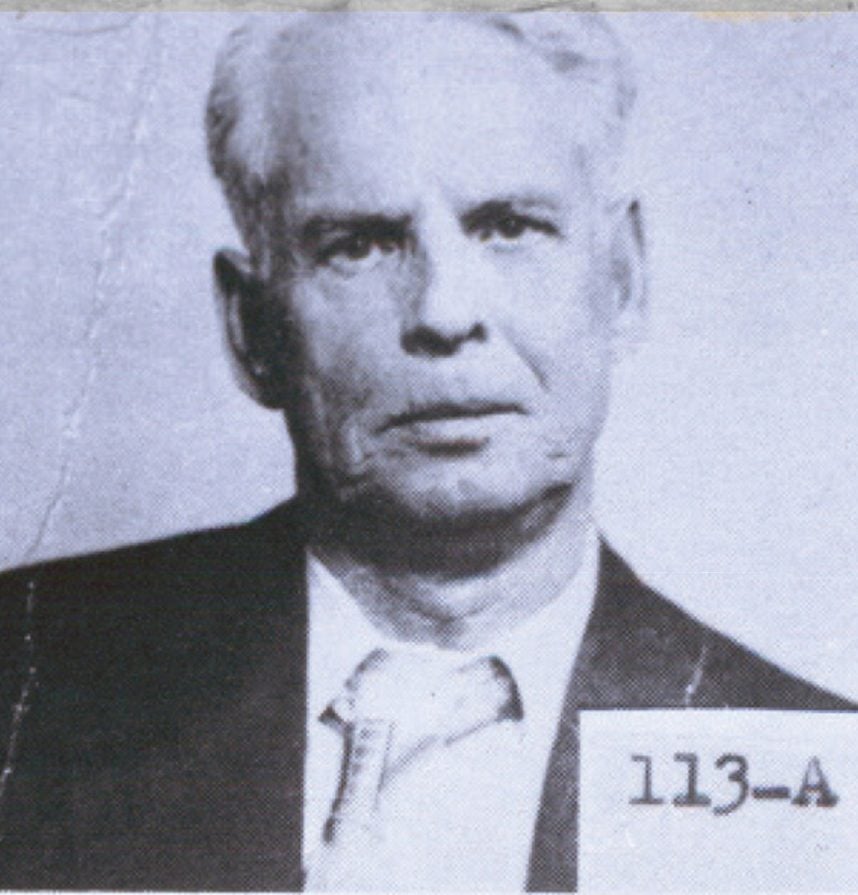
#7. Murray “The Camel” Humphreys
Class of 1960
Even though he wasn’t a hands-on, day-to-day Vegas enforcer, Humphreys was one of the most strategically important mobsters ever placed in the Black Book. A top lieutenant who inherited Al Capone’s Chicago Outfit, he was a sophisticated political operator and labor union fixer. Nevada regulators included him because they recognized that the hidden capital fueling the Strip casinos was masterminded by the Outfit’s upper echelon. Humphreys pioneered the mob’s exploitation of the Teamsters Central States Pension Fund, which effectively turned union retirement cash into America’s premier casino construction bank.
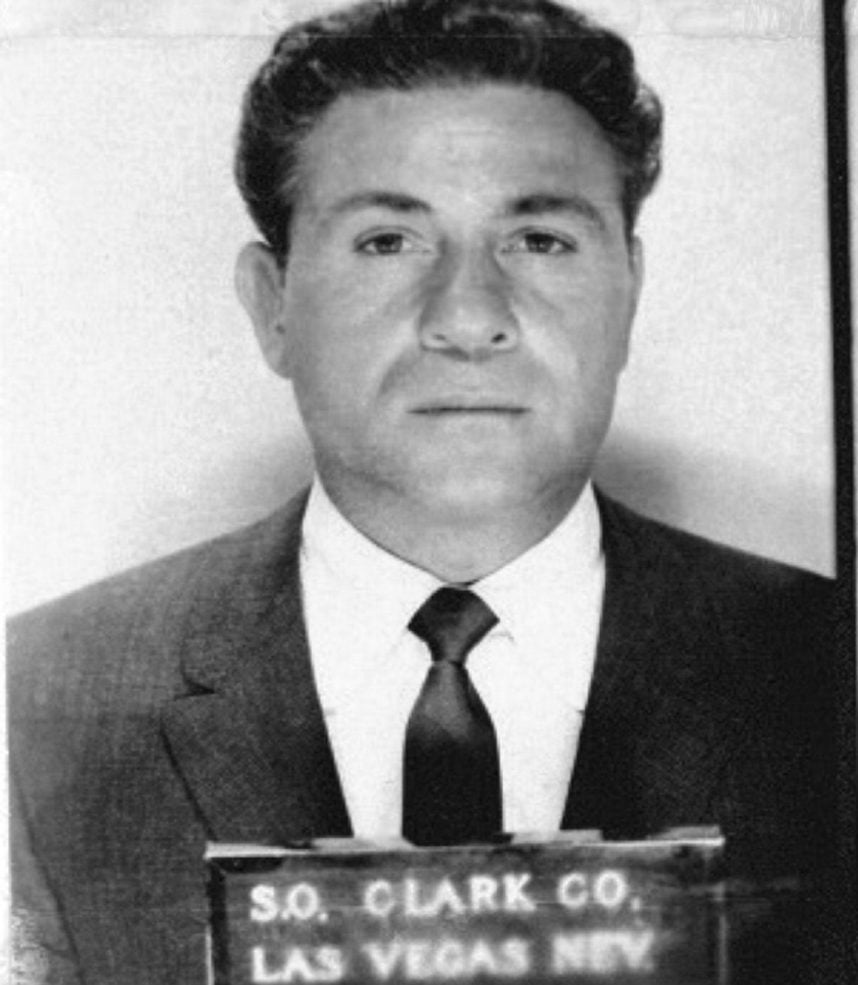
#6. Marshall Caifano
Class of 1960
Marcello Guiseppe Caifano (who went by the name Johnny Marshall in Las Vegas) took over the Chicago mob’s operations in Las Vegas after the June 20, 1947 murder of Bugsy Siegel. A feared enforcer suspected in multiple gangland murders, he was dispatched to Las Vegas to protect the mob’s casino investments. Utterly unfazed by his 1960 Black Book ban, Caifano defiantly kept visiting Strip casinos and collecting comps, daring the state to stop him. He launched an aggressive federal civil rights lawsuit against Nevada Governor Grant Sawyer to challenge the book’s constitutionality. His landmark court loss firmly cemented the state’s legal authority to exclude organized-crime figures.
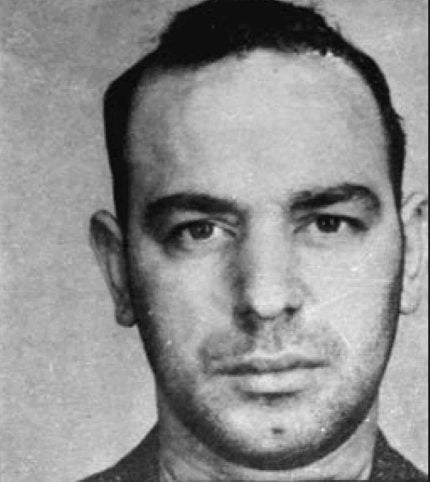
#5. Nicholas Civella
Class of 1960
Civella was the boss of the Kansas City crime family and a central figure in the massive casino skimming operations of the 1970s and early 1980s. His crew – including his lower-ranking brother, Carl, also added to the first Black Book — systematically stole millions from Las Vegas casinos (especially the Tropicana and Stardust) before the money was counted. While extremely dangerous and effective, Civella operated more as a behind-the-scenes boss than a flashy public figure.
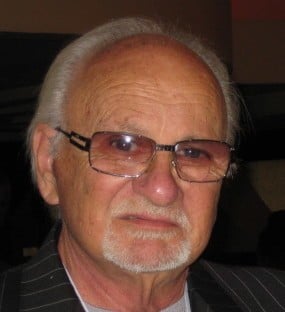
#4. Frank Cullotta
Frank Cullotta was Anthony Spilotro’s longtime right-hand man and a key member of the Hole in the Wall Gang, which committed numerous burglaries and armed robberies in Las Vegas. After turning government informant, Cullotta became one of the most valuable witnesses against the Chicago Outfit’s Vegas operations. His detailed testimony helped expose how the mob was looting casinos. Because of his later cooperation and media appearances (including books and documentaries), Cullotta became more publicly known than many other Black Book figures, though he was more of an enforcer than a top boss.
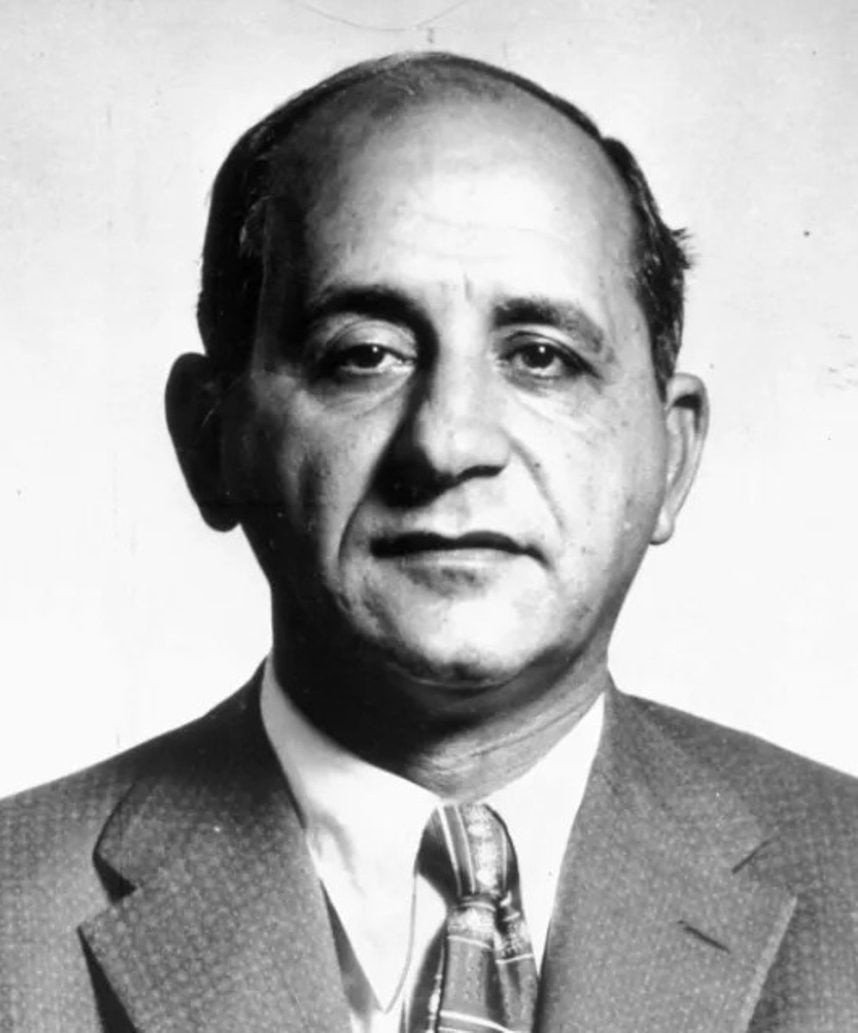
#3. Sam Giancana
Class of 1960
The most notorious member of the Class of 1960, Sam Giancana was the powerful and ruthless boss of the Chicago Outfit during its peak influence. In control at the Sands, Riviera, and Desert Inn, his skimming generated $2 billion a year for the mob, according to the FBI. Giancana had connections to high-level politics and celebrities. He was linked both to JFK and the CIA’s plots against Fidel Castro, and to Frank Sinatra — a link that cost Ol’ Blue Eyes his friendship with JFK and forced him to give up his 50% stake in the Cal-Neva Lodge, where Giancana was photographed cavorting in July 1963 despite being listed in the Black Book. (The incident triggered a Nevada Gaming Control Board investigation that cost Sinatra his gaming license.)
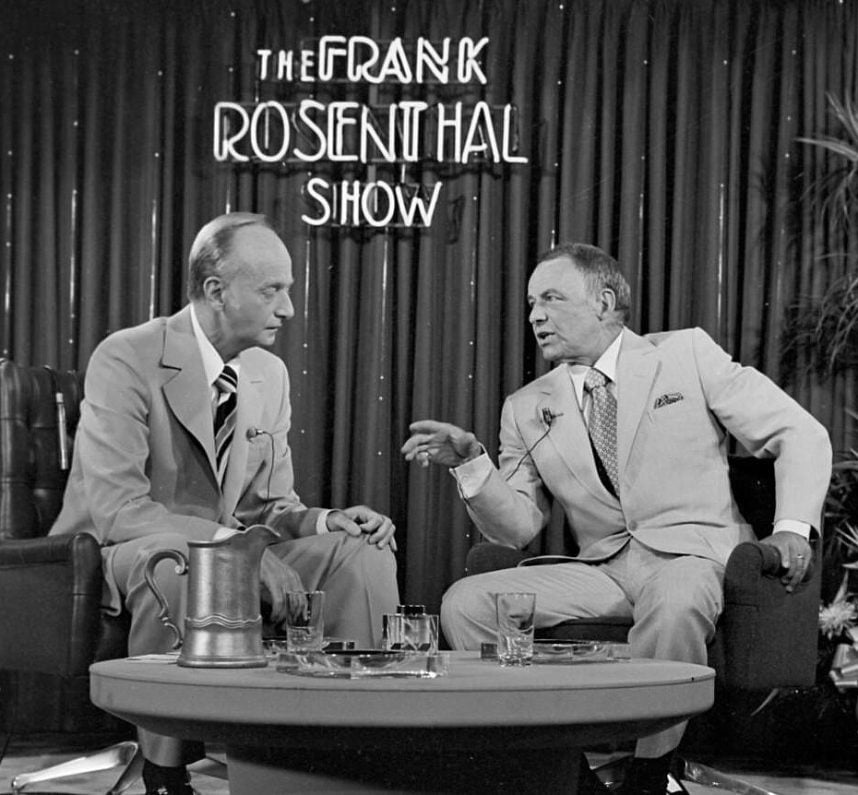
#2. Frank “Lefty” Rosenthal
As the public front man for the Chicago Outfit’s casino operations in the 1970s, Rosenthal ran multiple Las Vegas properties (most notably the Stardust) from which the mob skimmed millions of dollars. However, unlike every other Black Book listee — in fact, unlike every other mobster with the exception of Al Capone — Rosenthal didn’t hide his misdeeds in the shadows. He took the idea of hiding in plain sight to the level of WTF. He even hosted his own cable TV program, The Frank Rosenthal Show, in which he interviewed his many Las Vegas celebrity friends. His life was also dramatized in the movie Casino, and if you ever wondered how such an unattractive man (both inside and out) could inspire a character portrayed by Robert De Niro, it’s because Rosenthal consulted with Nicholas Pileggi on the book and the movie — and made sure he came out looking better than he deserved to.
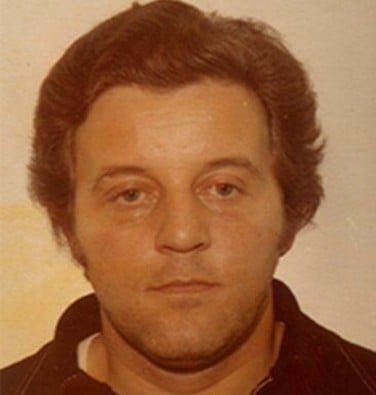
#1. Anthony “Tony the Ant” Spilotro
Anthony Spilotro — whose character inspired Joe Pesci’s in Casino — was the hands-down most notorious person ever listed in the Nevada Black Book. The Chicago Outfit’s fetishistically violent enforcer in Las Vegas during the 1970s and early 1980s, he oversaw a crew responsible for numerous murders, beatings, and robberies while protecting the mob’s casino skimming operations. (The FBI suspected him of involvement in between 20-25 murders.) Spilotro’s brutal reputation and open defiance of law enforcement made him the most feared figure in Las Vegas history.

 Most Read
Another Shooting Near Las Vegas Strip Casino Injures Man
 972,592 views

Vintners Oppose Napa Valley Casino
556,210 views


Conversation (0)
Be the first to comment on this article.