 Main menu


Las Vegas
Disgraced Casino Legend Steve Wynn Returned Golden Nugget Las Vegas to Speak About Mirage
Posted on: October 24, 2026, 05:33h.
Last updated on: October 24, 2026, 05:35h.

Key Points
- Steve Wynn made a rare public appearance at the Golden Nugget to reflect on creating The Mirage during a sold-out Neon Museum production on Oct. 22
- In his talk, Wynn detailed how the iconic volcano replaced a planned waterfall and recalled how he convinced 91-year-old Grace Hayes—owner of the last private residence on the Strip—to sell her house so it could be built
- The appearance marked his first major Las Vegas speaking event since stepping down from the gaming industry in 2018 amid sexual misconduct allegations, which he continues to deny


More than eight years after his forced departure from the gaming industry, Steve Wynn returned to a casino he once owned to speak about the project that permanently changed Las Vegas.
A sold-out audience of 600 filled the Golden Nugget showroom on Oct. 22 for “Reflections of The Mirage: A Conversation with Steve Wynn,” a program presented by the Neon Museum as part of its annual Duck Duck Shed celebration.
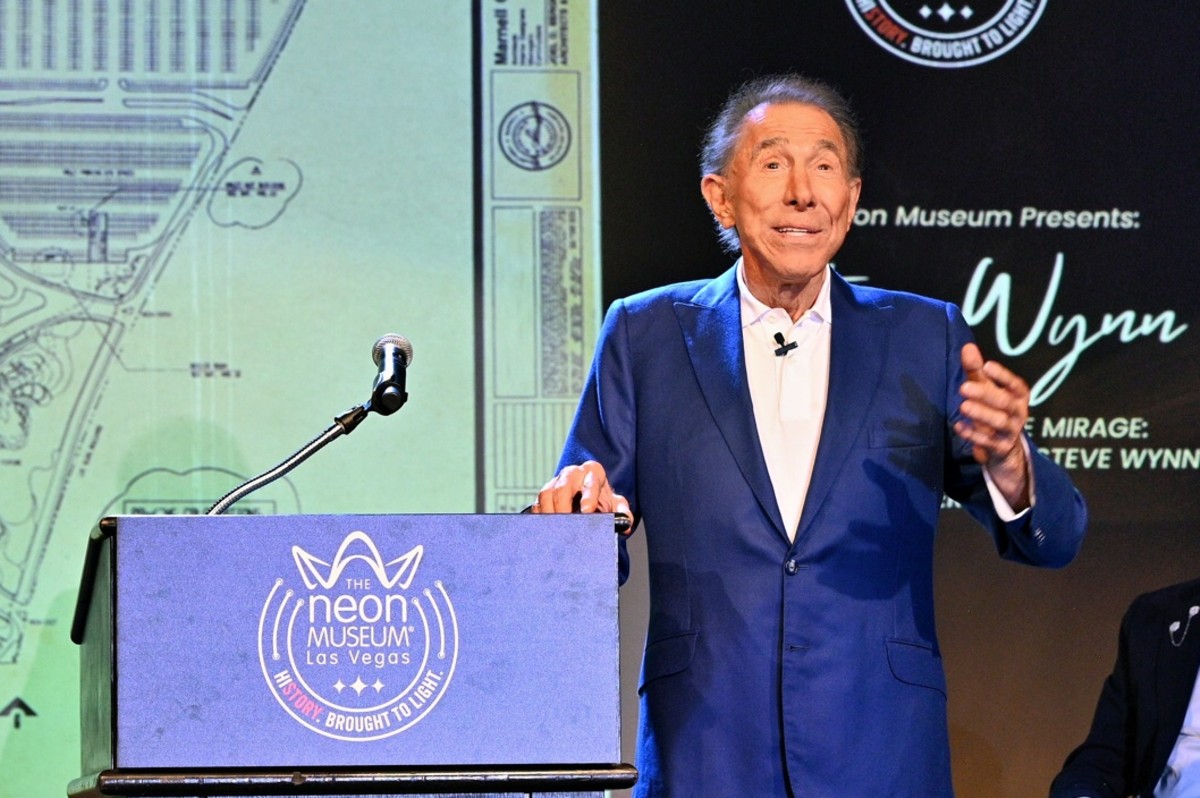
The venue was fitting. Wynn controlled the Golden Nugget from 1973 until 1989, transforming the downtown property into one of Nevada’s premier casino resorts before turning his attention to the Strip and opening the Mirage.
For nearly two hours, Wynn—now 84 and legally blind from retinitis pigmentosa—recounted the development of the resort that redefined modern Las Vegas, beginning with the skepticism that surrounded a project carrying a then-staggering $630 million construction cost.
At the time, he said, critics doubted a property of that scale could survive. Wynn recalled a Forbes reporter telling him that casino executives across Las Vegas believed the project was headed for failure because of the enormous daily operating costs.
Wynn said he responded by sharing the research and projections that had convinced him the resort would succeed. When the magazine was published, however, its headline remained decidedly unconvinced: “Snake Eyes for Steve.”
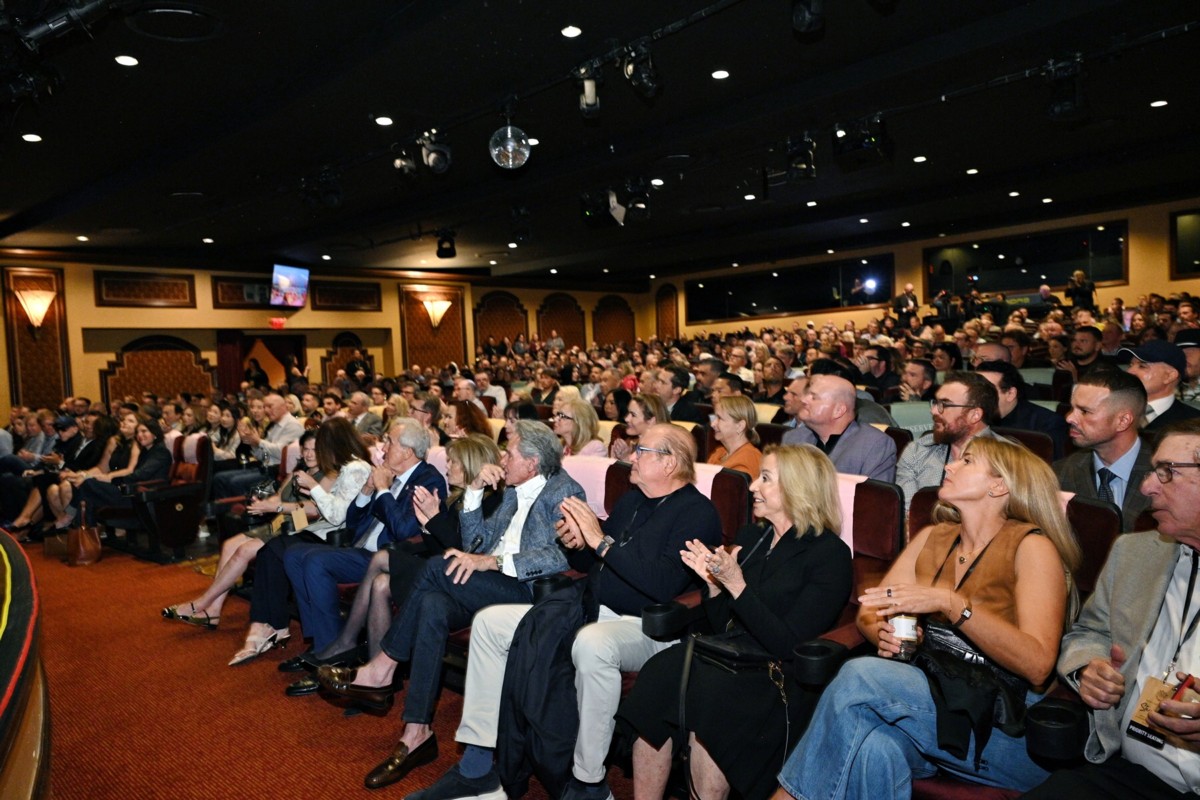
According to Wynn, those concerns evaporated almost immediately after The Mirage opened on Nov. 22, 1989.
“The place was profitable in the first 60 minutes it existed,” he told the audience.
Wynn described opening day as a scene of near chaos, with tens of thousands of visitors pouring into the resort.
“Everything went to capacity,” he said. “Fifty to sixty thousand people came the first day.”
Standing beside a reporter from The Wall Street Journal, Wynn recalled being asked how long it would take for the property to break even.
“I said, ‘It already is. It’s in the black.'”
According to Wynn, land values on the Strip roughly doubled within 36 hours, as competitors scrambled to pursue expansion projects of their own. The 3,044-room Mirage is widely credited with helping trigger a development boom that transformed the Strip during the 1990s and established a new standard for megaresorts.
The House That Almost Beat the House
Surprisingly, Wynn said the greatest obstacle to building The Mirage was not financing. It was a small house owned by a 91-year-old former vaudeville performer and actress.
Grace Hayes steadfastly refused to sell the home she had shared with her husband, screenwriter Robert E. Hopkins, who died there in 1966. Her residence became the last privately owned home on the Las Vegas Strip after she turned down repeated offers from developers, including Howard Hughes.
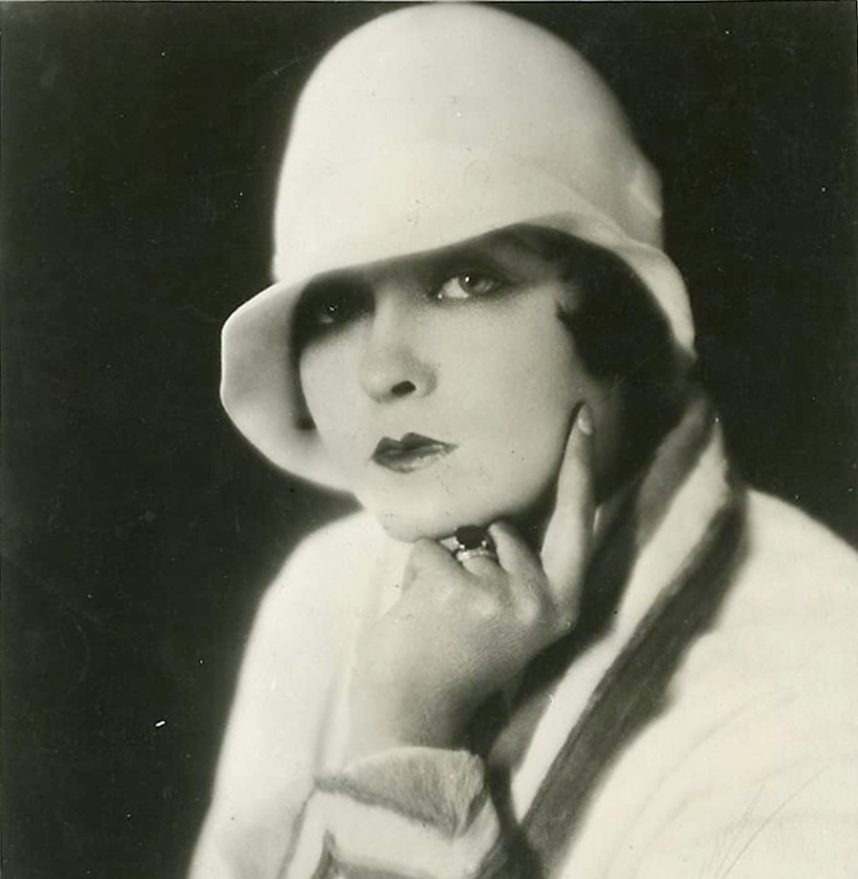
“She said, ‘I’ll never sell Hoppy’s house,'” Wynn recalled.
The land sat where Wynn envisioned one of The Mirage’s signature attractions. The concept initially called for a waterfall, but that changed after renowned lighting designer David Hersey pointed out a practical problem.
“You can’t light a waterfall,” Wynn said Hersey told him. “The light goes right through it.”
The waterfall became a volcano.
Wynn said Hayes finally relented after he showed her a scale model of the project. He recalled taking her by wheelchair to view the model.
“Oh my God, Steve,” he recalled her saying. “It’s beautiful. It’s so big. There’s nothing like that here.”
His sales pitch likely wasn’t hurt by the reported purchase price. He had to pay $2 million for the small house and the adjacent parcel, on which the Grace Hayes Lodge (formerly the Red Rooster, the very first Strip casino ever licensed), once stood.
Wynn also allowed Hayes to spend her remaining years in a luxury suite at the Golden Nugget. She died in 1989 at age 93, the same year The Mirage opened.
During his talk, Wynn also reflected on other decisions that came to define the resort, including signing illusionists Siegfried & Roy and establishing a dolphin habitat in the middle of the Mojave Desert. The attraction later became a regular destination for Clark County marine biology students and, in Wynn’s view, stood among the property’s most enduring achievements.
A Controversial Return
The event drew criticism because Wynn’s career ended amid allegations of sexual misconduct that surfaced in a 2018 investigation by The Wall Street Journal.
Wynn resigned as chairman and chief executive of Wynn Resorts in February 2018 and has consistently denied allegations that he harassed or assaulted women. He was never criminally charged and has consistently denied harassing or assaulting anyone.
Before the event, critics including Casino.org’s own Vital Vegas questioned the Neon Museum’s decision to feature Wynn.
“Steve Wynn making an appearance at a Las Vegas casino is problematic to say the least,” Vital Vegas wrote when tickets to this event went on sale in August 2026. “There’s a reason Steve Wynn is banned from Wynn Resorts. Wynn’s alleged victims won’t forget, and neither should you.”
Nevada gaming regulators fined Wynn Resorts $20 million in 2019 for failures related to the company’s handling of misconduct complaints. In response, the company overhauled its leadership structure, added women to its board of directors, replaced executives and employees tied to reporting failures, and implemented governance reforms.
Wynn’s settlement with regulators bars him from involvement in Nevada’s gaming industry, though it does not prohibit public appearances or entry into casinos.

 Most Read
Another Shooting Near Las Vegas Strip Casino Injures Man
 972,766 views
Vintners Oppose Napa Valley Casino
556,369 views


Conversation (0)
Be the first to comment on this article.