 Main menu


iGaming
Stalled DC iGaming Bill Faces Uphill Battle Before 2026 Ends
Posted on: November 16, 2026, 10:24h.
Last updated on: November 16, 2026, 10:24h.


Key Points
- Washington, DC, lawmakers are set to consider an iGaming bill Wednesday, but limited remaining council sessions make passage difficult
- Councilmember Wendell Felder's proposal would license and tax online casinos while establishing consumer protections, responsible gaming rules, and regulatory oversight
- The measure has drawn sharp opposition and support, with advocates citing consumer safeguards and revenue while critics question the industry's arguments for legalization


City councilors in Washington, DC, are set to consider an iGaming bill this week, but the measure faces steep odds of becoming law before the end of 2026.
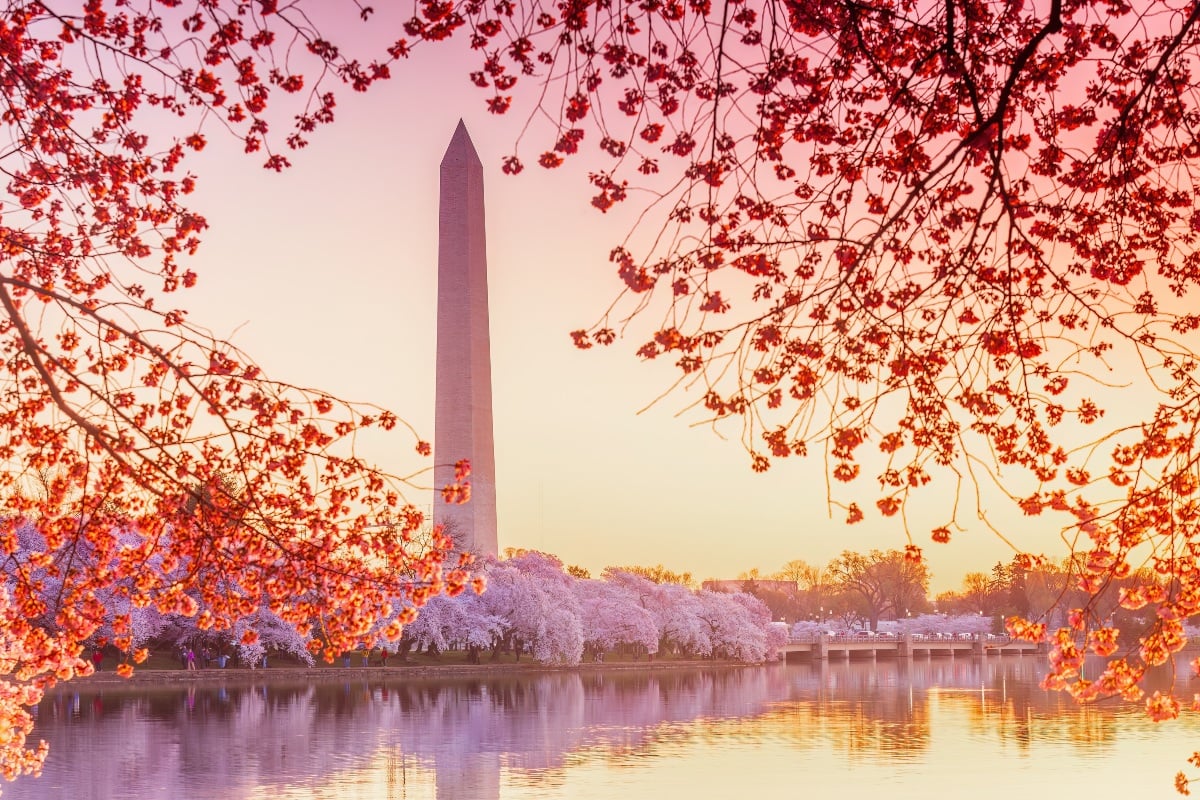
Councilmember Wendell Felder (D-Ward 7) introduced Bill 26-656 in April to the Council of the District of Columbia. Known as the Internet Gaming and Consumer Protection Act of 2026, the legislation is slated for a vote this Wednesday (Nov. 18) from the Committee on Human Services.
The statute seeks to establish a comprehensive framework for licensing, consumer protection, taxation, responsible gaming, and regulatory enforcement for online casinos. Felder says the law would turn an existing market into a public benefit.
As a city, we must identify innovative ways to generate new revenue without placing additional burdens on residents,” said Felder. “iGaming is happening right now in the District with no safeguards and no benefits to our residents and this legislation brings that activity into a legal, transparent system that protects people and generates revenue we can reinvest back into our communities without raising taxes.”
The Committee on Human Services oversees the Office of Lottery and Gaming, the regulatory body of all licensed gaming in the District of Columbia, including the lottery, charitable gaming, and sports betting.
Tight Legislative Window
Felder’s Bill 26-656 faces several hurdles before it can become law by the end of 2026.
If the legislation clears the Committee on Human Services, it would advance to the full Council, where it must be read and passed by a majority vote on two separate legislative meeting days. The Council has only three remaining sessions scheduled this year: Nov. 24, Dec. 1, and Dec. 15.
From there, the proposal would head to Mayor Muriel Bowser (D), who has 10 days to sign or veto the bill. If signed, the measure would undergo a mandatory 30-day congressional review period. During that time, federal lawmakers could pass a joint resolution to block it, though such intervention is rare.
Divisive Hearing
Felder’s iGaming bill has sat with the Committee on Human Services since April. The statute received a decisive hearing in May, where proponents and opponents gave polarizing opinions.
Les Bernal, the director of Stop Predatory Gambling, told the committee that the legal gaming industry has manufactured a false narrative that legalizing forms of gambling protects consumers and hurts the black market.
“The narrative behind illegal gambling was a made-up public relations narrative by the gambling industry, and the reason why they needed to do it is because your constituents weren’t demanding commercial sports gambling. They sure as heck aren’t demanding online casino gambling. They had to create this phony public relations narrative to breathe life into a lobbying campaign,” Bernal said.
Michelle MacGregor, who works with the Sports Betting Alliance, a lobbying group that campaigns for legal online sports betting and iGaming, said a regulated market migrates consumers from illegal websites.
Legalizing iGaming is not a question of whether District residents will play these games. They already are,” said MacGregor.
“The question is whether they will do so on regulated platforms that verify their age, protect their funds, monitor for signs of harm, and fund treatment for those who need it—or whether they will continue to do so on offshore sites that do none of those things,” MacGregor said.


 Most Read
Another Shooting Near Las Vegas Strip Casino Injures Man
 973,132 views

Vintners Oppose Napa Valley Casino
556,716 views


Conversation (0)
Be the first to comment on this article.