 Main menu


iGaming
Report: Offshore Gambling Sites Spent Millions Snatching Up Expired Government Domains
Posted on: October 12, 2026, 12:32h.
Last updated on: October 13, 2026, 08:44h.


Key Points
- At least 448 expired government, charity, and campaign domains sold at auction became gambling websites between 2024 and 2026
- Offshore gambling operators paid $22.3 million for the domains, exploiting existing backlinks to redirect visitors from legitimate websites to casinos
- The American Gaming Association estimated US consumers wager $466 billion annually on unregulated online casino games


Offshore gambling operators spent millions of dollars acquiring expired government and nonprofit domains, surreptitiously redirecting web traffic from trusted public sites to unlicensed casino platforms hosted in the Philippines, Curaçao, Malta, the Isle of Man, and Indonesia.
Backlinking.com, an independent research publication that tracks backlinks and SEO, as well as domain ownership transfers, reports that at least 448 websites that were sold at auction between January 2024 and May 2026 became gambling websites.
High-profile examples abound. The official domain for the Queen’s Green Canopy—a tree-planting initiative created for Queen Elizabeth II’s 2022 Platinum Jubilee—now redirects directly to an Indonesian online slot page. Similarly, the former web address for Every Woman Every Child, a United Nations global health initiative aimed at advancing women’s and children’s health, leads to an Indonesian-themed online casino.
Meanwhile, the former website for Vote Leave—the official campaign supporting the UK’s 2016 referendum to leave the European Union—now redirects users to a landing page listing unregulated online casinos available to UK consumers that bypass GamStop, the country’s national self-exclusion register.
Offshore Gambling Operators Pay Premium Prices
The Backlinking.com audit revealed that buyers paid a total of $22.3 million for the 3,692 domains analyzed, with gambling operators heavily outbidding competitors for high-authority URLs.
Higher sale prices were consistently linked to gambling buyers. Roughly one in 10 domains sold for over $5,000 became a betting site, while for domains selling above $25,000, that figure jumped to one in five.
When a charity or campaign domain expires, the links that other websites gave it do not expire with it,” said Aaron Seminoff, who runs Backlinking.com. “Those links are what these buyers pay for.”
Google’s spam policy labels the practice as “expired domain abuse,” a technique used to deceive or manipulate internet search systems.
“Expired domain abuse is where an expired domain name is purchased and repurposed primarily to manipulate search rankings by hosting content that provides little to no value to users,” Google said.
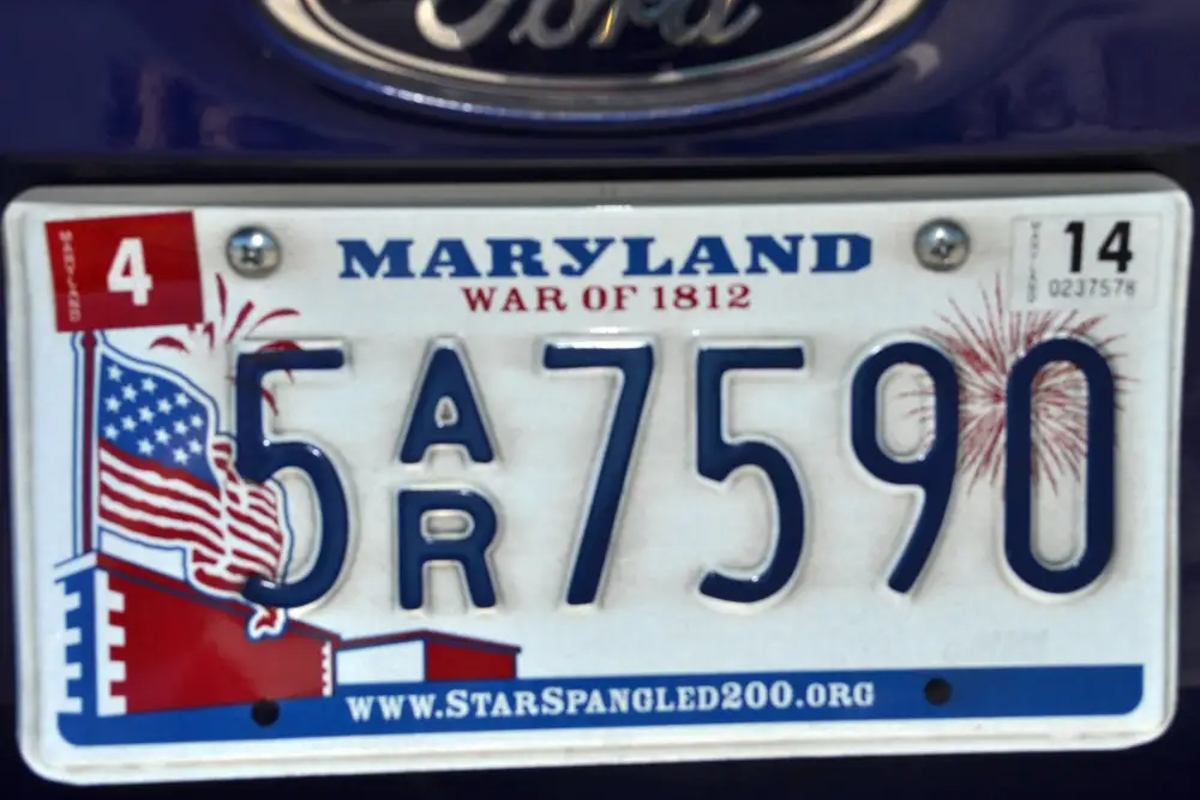
The phenomenon is far from new. In 2023, Casino.org reported on a vanity URL featured on 800,000 state-issued Maryland license plates—originally meant to honor the 200th anniversary of Francis Scott Key writing “The Star-Spangled Banner”—that suddenly redirected to an offshore online casino in the Philippines. Maryland officials confirmed the domain, previously managed by the National Park Service, had lapsed and been sold at auction.
The Scale of the Offshore Market
The aggressive domain acquisition strategies underline the massive financial appetite of illegal and unregulated gaming networks.
The American Gaming Association estimated in August 2025 that U.S. consumers wager over $466 billion annually on unregulated online slot machines and table games, resulting in estimated player losses of approximately $18.6 billion per year.


 Most Read

Another Shooting Near Las Vegas Strip Casino Injures Man
 972,889 views
Vintners Oppose Napa Valley Casino
556,488 views


Conversation (0)
Be the first to comment on this article.