 Main menu


Commercial Gaming
Macau Casinos Invested $4.3B in Non-Gaming Projects Since 2023, Far Shy of $16B Pledge
Posted on: November 20, 2026, 12:43h.
Last updated on: November 20, 2026, 12:43h.


Key Points
- Macau’s six casino operators spent $4.3 billion on non-gaming projects from 2023 through 2025, fulfilling just 27% of their expanded investment commitment
- The $16.2 billion mandate covers resort upgrades, sporting events, neighborhood revitalization, and other projects intended to diversify Macau’s economy
- Chief Executive Sam Hou Fai says the government will designate projects if operators fail to meet their licensing obligations


Macau casinos invested MOP35 billion (US$4.3 billion) in non-gaming projects between 2023 and 2025, a far cry from the more than $16 billion that the six operators pledged in exchange for 10-year licensing extensions.
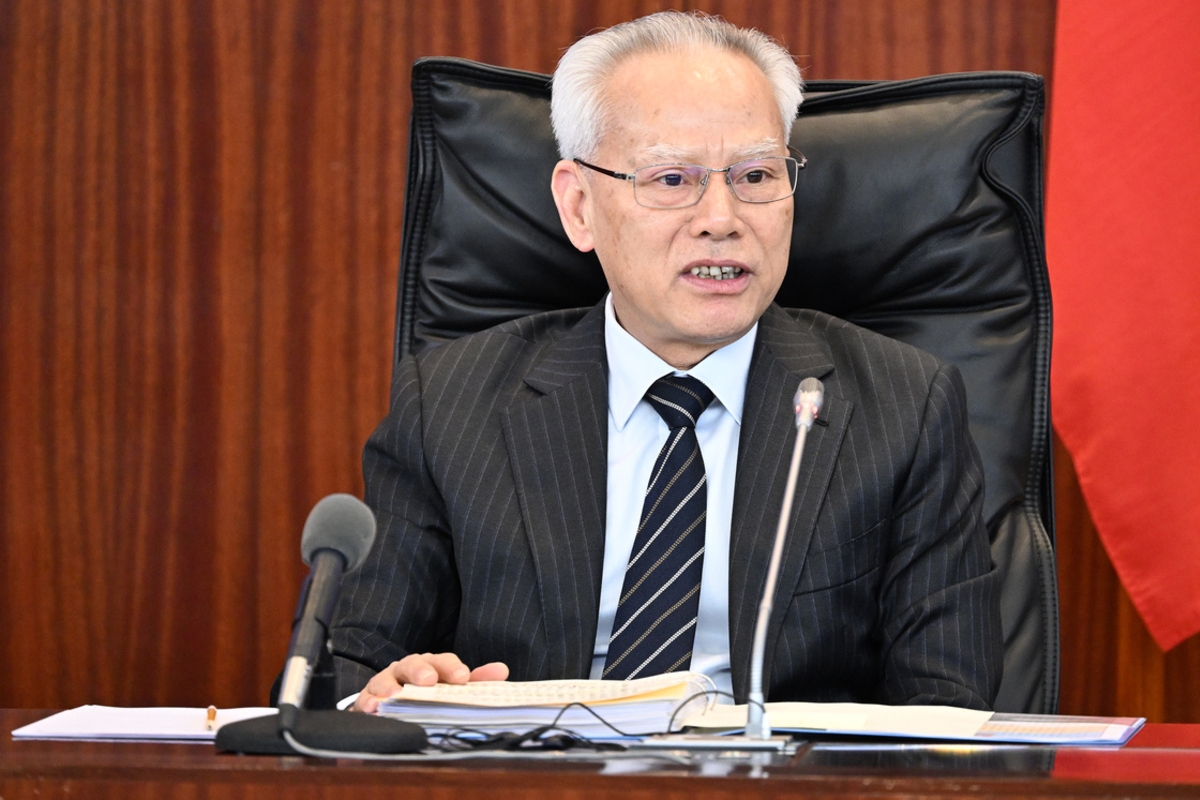
Macau Chief Executive Sam Hou Fai delivered his 2027 Policy Address before the Legislative Assembly on Monday (Nov. 16), where he detailed the city’s blueprint to “build a better future.” Sam said his administration would prioritize sustainable development, projects to enhance the competitiveness of the region, public wellbeing initiatives, and programs to better connect and integrate Macau with Mainland China.
Speaking to the media following his policy address, Sam was asked about the casinos’ ongoing non-gaming investments. The chief executive said a government review found that the six operators collectively allocated $4.3 billion to non-casino projects from 2023 through 2025.
Sam said the spending included resort upgrades, the organization of sporting events, and public funding for the revitalization of neighborhoods.
Macau’s six casinos generated gross gaming revenue (GGR) of $25.8 billion between January and November 2026. Macau is the world’s richest gaming market.
Casinos Have Much More to Spend
In December 2022, in exchange for 10-year extensions of their gaming privileges, Sands, Galaxy, Wynn, MGM, Melco, and SJM agreed to invest MOP118.8 billion (US$14.74 billion) in Macau.
About $13.5 billion was required to go to non-gaming projects. Each casino was assigned a share of the collective investment based on 2021 GGR market share.
The 2022 relicensing terms came with a clause that increased the non-gaming requirement by 20% if the six casinos won at least MOP180 billion (US$22.3 billion) in a given year through 2027. They did, which brought the non-gaming mandate to $16.2 billion.
Non-gaming expenditures are permitted to go towards properties and projects not owned by the concessionaire, allowing the casinos to invest in city-wide events and undertakings.
At $4.3 billion, the casinos fulfilled just 27% of their non-gaming investment commitment during the first third of their 10-year licenses. Sam said if the casinos do not fulfill their licensing obligations, the government will designate projects “in accordance with the contracts.”
City and Casinos Remain Aligned
Despite the non-gaming spending shortfalls, Sam isn’t threatening the operators with fines or license revocations.
We share a common destiny. When the gaming industry develops in a healthy and orderly manner, you help drive Macau’s development. Only in this way can it be sustainable,” Sam said.
Macau is home to about 723K people who live comfortably because of the region’s robust gaming and hospitality industries. The average full-time resident worker in Macau makes MOP22,000 (US$2,729) a month. Most households have at least two full-time workers.


 Most Read
Another Shooting Near Las Vegas Strip Casino Injures Man
 973,172 views
Vintners Oppose Napa Valley Casino
556,749 views


Conversation (0)
Be the first to comment on this article.