 Main menu

Commercial Gaming
North Carolina Jacks Up Tax on Online Sportsbooks, Will Bettors Pay the Price?
Posted on: June 23, 2026, 02:44h.
Last updated on: June 23, 2026, 03:48h.


- North Carolina lawmakers have agreed to raise the online sports betting tax from 18% to 23%
- The tax increase is intended to help fund Gov. Josh Stein’s proposed $68 billion budget
- Sportsbooks and industry groups warn that higher taxes could lead to worse odds and fewer promotions
North Carolina’s honeymoon phase with legal sports betting is officially over, and local gamblers are about to find out exactly what a tax hike means for their bankrolls.
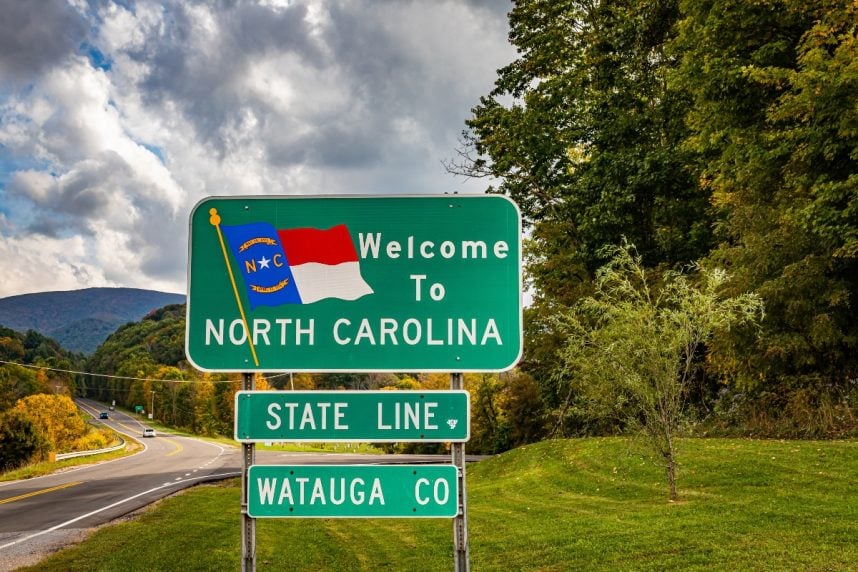
WRAL News sports reporter Brian Murphy broke the news that North Carolina lawmakers have settled on a 5% tax increase on online sports betting revenue, from 18% to 23%.
State Sen. Jim Burgin (R-Lee, Harnett) confirmed to Murphy that 23% is where the legislature met, though he was seeking a much higher tax at 50%. At 23%, the state will only see a modest financial gain by raising the state levy on gross sportsbook revenue.
Even at 23%, North Carolina’s sports betting tax remains roughly in line with the national average among the 30-plus states that tax commercial sportsbooks.
Modest Benefit
The General Assembly is trying to find money to fund $3 billion in higher spending, as proposed by Gov. Josh Stein (D). They’ve turned to sports betting during their budget talks, but such gambling is a small-margin business compared with slot machines. As such, the state tax benefit isn’t going to bridge the spending gaps.
During the 2025 fiscal year (July 2024 through June 2025), North Carolina’s online sportsbooks reported gross revenue of $647.7 million. At 18%, the state’s share was $116.6 million. At 23%, the state’s share would have been $148.9 million, a difference of approximately $32.3 million.
The 2025-27 budget Stein has put before lawmakers is a $68 billion spending plan that’s focused on public education, childcare, workforce development, and tax relief for lower- and middle-income families. He wants to allot roughly $2.3 billion to better support educators with average raises of 11% and $300 annual school supply stipends.
Stein also suggests pay raises of up to 15% for law enforcement, correctional officers, and state first responders, an initiative to fully fund Medicaid to protect coverage for more than three million North Carolinians, and a $448 million investment into job training, apprenticeship programs, and workforce housing.
Who Really Pays?
The worry is that consumers might be the ones who pay for the state’s increased tax.
When states raise taxes, the costs get passed down to customers — directly hitting your wallet. It punishes NC sports fans who play by the rules and pushes more people toward illegal offshore sites with no consumer protections,” the Sports Betting Alliance wrote in a campaign encouraging North Carolinians to write their lawmakers telling them to oppose a tax hike on sportsbooks.
When sportsbook profits are squeezed, some say bettors see worse odds and fewer incentives compared with lower-taxed sports betting states. Regulated and taxed sportsbooks already claim they’re operating at a competitive disadvantage with prediction markets, the federally regulated trading platforms that now offer sports.

 Most Read

Another Shooting Near Las Vegas Strip Casino Injures Man
 972,612 views

Vintners Oppose Napa Valley Casino
556,223 views


Conversation (0)
Be the first to comment on this article.