 Main menu

Tribal Gaming
Michigan Tribal Casino Payments Plunge 71% as Gambling Expansion Tests Exclusivity Deals
Posted on: September 29, 2026, 04:56h.
Last updated on: September 30, 2026, 01:12h.


Key Points
- Michigan tribal casino revenue-sharing payments plunged 71% from $52.8 million in 2022 to $15.4 million in 2025
- Several tribes have stopped payments, arguing Michigan’s expansion of gambling has undermined exclusivity protections contained in their compacts
- Hannahville is now the only tribe making full state revenue-sharing payments, intensifying a funding squeeze at Michigan’s economic development agency


Michigan Native American tribes are increasingly withholding casino revenue-share payments from the state, arguing that Michigan’s expansion of gambling has undermined the exclusivity they were promised under their gaming compacts.
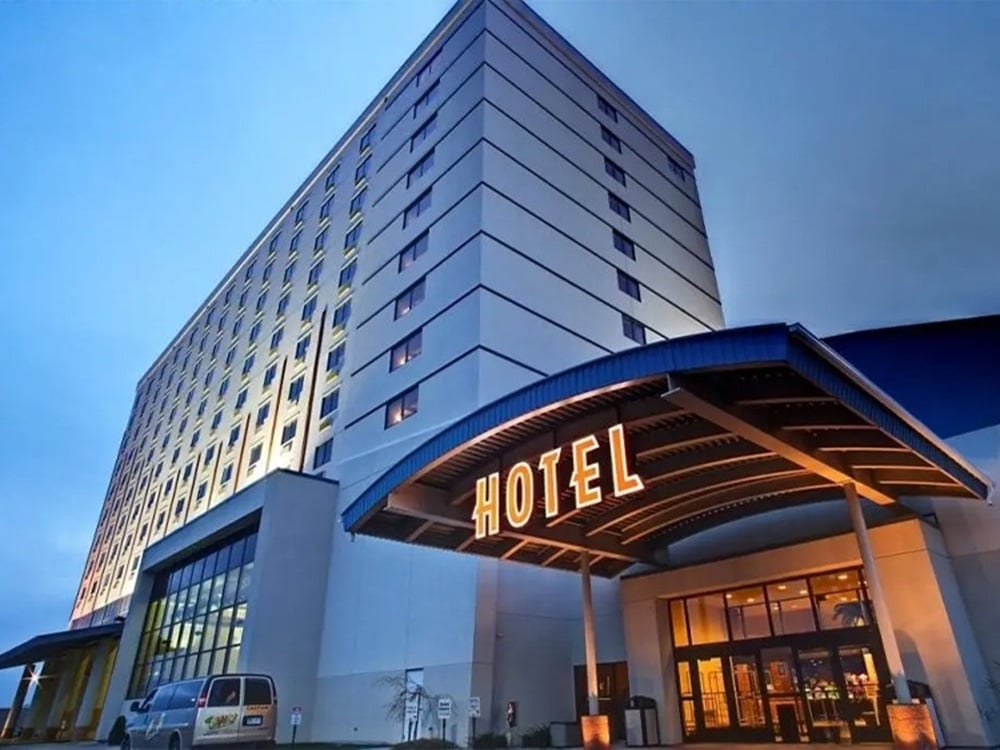
Payments to the Michigan Strategic Fund (MSF), which helps finance the Michigan Economic Development Corp. (MEDC), fell 71% from $52.8 million in 2022 to $15.4 million in 2025, according to Michigan Gaming Control Board figures.
The decline could accelerate this year after the Pokagon Band of Potawatomi Indians, operator of the Four Winds casinos, joined the growing list of tribes withholding payments, Crain’s Detroit Business reported Monday (September 28).
The Pokagon Band shared $11.7 million with the state in 2025. Meanwhile, the Nottawaseppi Huron Band of the Potawatomi, which operates FireKeepers Casino Hotel, stopped payments in February after contributing $18.5 million the previous year.
Gun Lake Tribe, operator of Gun Lake Casino Resort, began withholding payments in 2025, while the Little River Band of Ottawa Indians stopped in 2023. Other Michigan tribes ceased making payments years earlier.
What Happened to Exclusivity?
Under Michigan’s tribal-state gaming compacts, tribes agreed to share a percentage of revenue from slots and other electronic casino games in return for varying degrees of protection from competing gambling.
But the gambling landscape has changed dramatically since many of those agreements were negotiated.
The tribes believe Michigan has eroded their exclusivity through the continued expansion of gambling. Points of contention include the Michigan Lottery’s introduction of online games in 2014, the legalization of online casinos and sports betting in 2019, horse racing expansion, and, more recently, prediction markets.
The dispute over the iLottery is not new. Gun Lake Tribe previously withheld payments after Michigan launched online lottery games, arguing that the move breached its exclusivity rights. The state disputed that interpretation, and the parties reached a partial settlement in 2016.
Michigan’s tribes continue to make separate compact payments to local governments, however, and also contribute to the state through online casino gaming and sports betting operations.
Tribal and commercial online operators paid Michigan $624.6 million in state taxes and other payments during 2025.
MEDC Fund Squeezed
The decline in tribal revenue-sharing payments is creating a funding headache for the MEDC, which recently announced layoffs affecting up to 15% of filled and vacant positions. CEO Quentin Messer Jr. cited declining corporate revenue when announcing the cuts.
Tribes have contributed more than $1.1 billion to the Strategic Fund since revenue sharing began, according to Crain’s. But Hannahville Indian Community is now the only tribe currently making full state revenue-sharing payments, contributing about $644,000 for 2025.
Several Michigan gaming compacts reach potential renegotiation points in 2028 or 2030, potentially setting the stage for negotiations over what tribal gaming exclusivity actually means in the modern gambling landscape.

 Most Read
Another Shooting Near Las Vegas Strip Casino Injures Man
 972,686 views
Vintners Oppose Napa Valley Casino
556,295 views


Conversation (1 comment)