 Main menu

Lottery
Lottery Operators Warn Prediction Markets Threaten Funding for Public Programs
Posted on: July 23, 2026, 04:28h.
Last updated on: July 24, 2026, 04:13h.


Key Points
- The NASPL, representing 50 North American lottery organizations, issued a statement arguing prediction markets are effectively illegal gambling
- NASPL joins the World Lottery Association in calling prediction markets a threat to lotteries and their public funding
- Both groups are urging regulators to clarify that any product paying out based on an event's outcome—sports, politics, or otherwise—should be regulated as gambling


Lottery groups around the world are intensifying their campaign against prediction markets, claiming the controversial online exchanges enable gambling under the guise of financial trading.
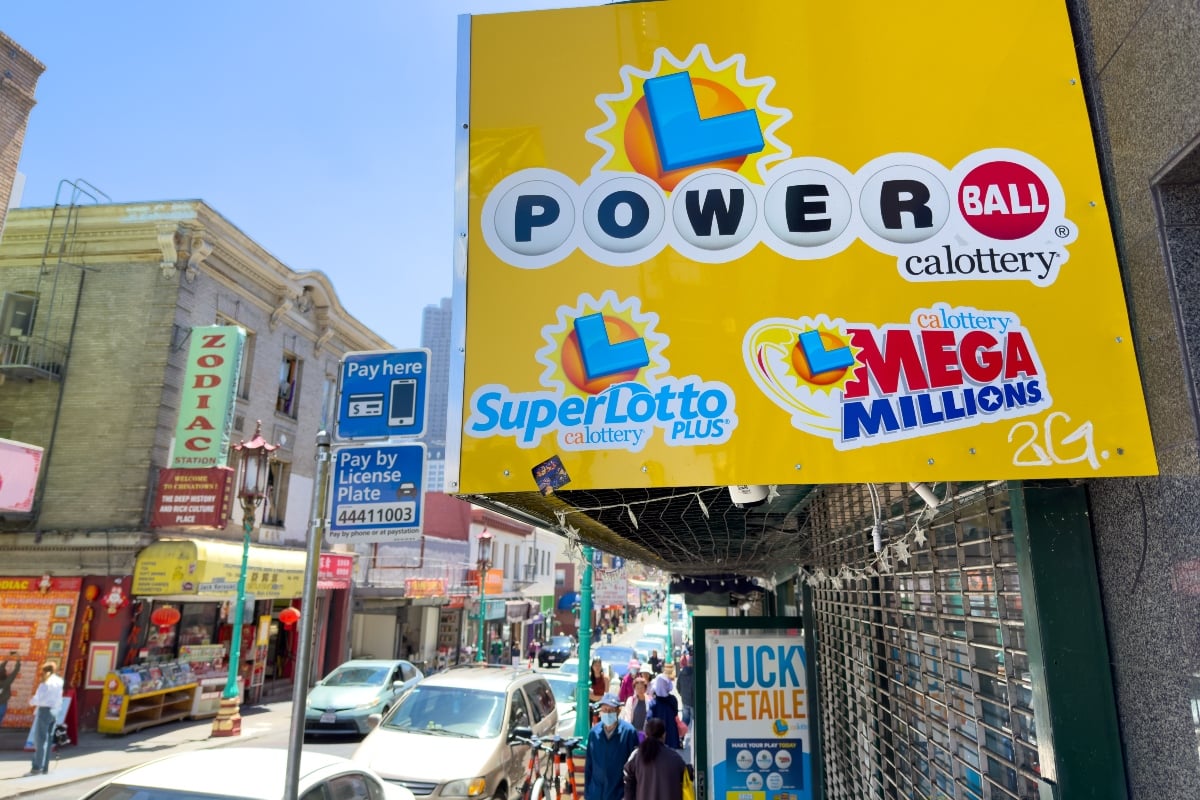
The North American Association of State and Provincial Lotteries (NASPL) has issued a statement criticizing regulators for allowing prediction markets to offer trading on sports.
The NASPL, which represents 50 member lottery organizations, most located within the United States, says the Commodity Futures Trading Commission (CFTC) has effectively given credence to illegal gambling on prediction markets.
“Predictions rely on an event or condition expected to happen in the future. In this case, even though a participant may claim there is an element of skill involved in making their ‘prediction,’ the overwhelming elements of chance involved in the outcome of that ‘prediction’ in fact make it a ‘wager’ and therefore a probable illegal gamble,” the NASPL said in its statement on prediction markets.
“‘Gambling,’ historically, has meant paying money, or some other sort of consideration, for the random chance to win a prize. Even if there is some element of skill involved in the wager, the fact that chance can play a primary role in the outcome of the wager makes the event a gamble,” the NASPL continued.
Threat to Lotteries and Their Beneficiaries
The NASPL statement echoes the World Lottery Association’s (WLA) May position paper opposing prediction markets on concerns that the financial trading exchanges pose threats to the lottery industry and the many programs their operations support.
The NASPL has joined the WLA in calling for “urgent regulatory clarification” in all jurisdictions where prediction markets offer sports trading. It isn’t only sports that are being targeted by the lottery organizations but also prediction market event contracts involving politics.
“If a product offers a financial return contingent on the outcome of an event—sporting, political, or otherwise—then it constitutes a wager or bet. It must be licensed and regulated as such, irrespective of the operator’s preferred label,” the WLA wrote in May.
The NASPL says most of its members’ lotteries were born out of the public policy process to provide critical revenue for public education, college scholarships, local grants, property tax relief, and programs for seniors.
Prediction markets do not pay state taxes on their operational revenue, nor pay hefty licensing fees.
“Prediction market operators that avoid these obligations enjoy a structural competitive advantage that is entirely the product of regulatory evasion rather than superior product quality or genuine innovation. This competitive distortion is harmful not only to individual licensed operators—it threatens the public funding streams that depend on a viable, sustainable regulated gaming sector,” the WLA wrote.
Lottery Superiority
The NASPL believes its member lotteries provide public benefits that are unrivaled by other forms of legal gambling.
“Lotteries are the most impactful gaming activity, born of the public policy process under which we and our beneficiaries and sanctioned competitors operate. NASPL members have a responsibility and a key opportunity to be a resource for that process as it works to understand and address prediction markets,” the statement concluded.

 Most Read

Another Shooting Near Las Vegas Strip Casino Injures Man
 972,614 views

Vintners Oppose Napa Valley Casino
556,225 views


Conversation (0)
Be the first to comment on this article.