 Main menu

Prediction Markets
Prediction Markets Threaten Tribal Casino Revenue, Warns Indian Gaming Leader
Posted on: July 21, 2026, 06:18h.
Last updated on: July 22, 2026, 04:56h.


Key Points
- CNIGA Chairman James Siva warned that prediction markets are already eroding tribal casino revenues by an estimated 5% this year
- He cautioned that unchecked expansion could cause tribes to lose up to 25% of gross gaming revenue as soon as next year
- As a leading vocal critic, Siva views prediction markets as an existential threat to tribal sovereignty and exclusivity


Native American casinos could lose up to 25% of their gaming revenue as soon as next year if prediction markets continue expanding unchecked, according to California tribal gaming leader James Siva.
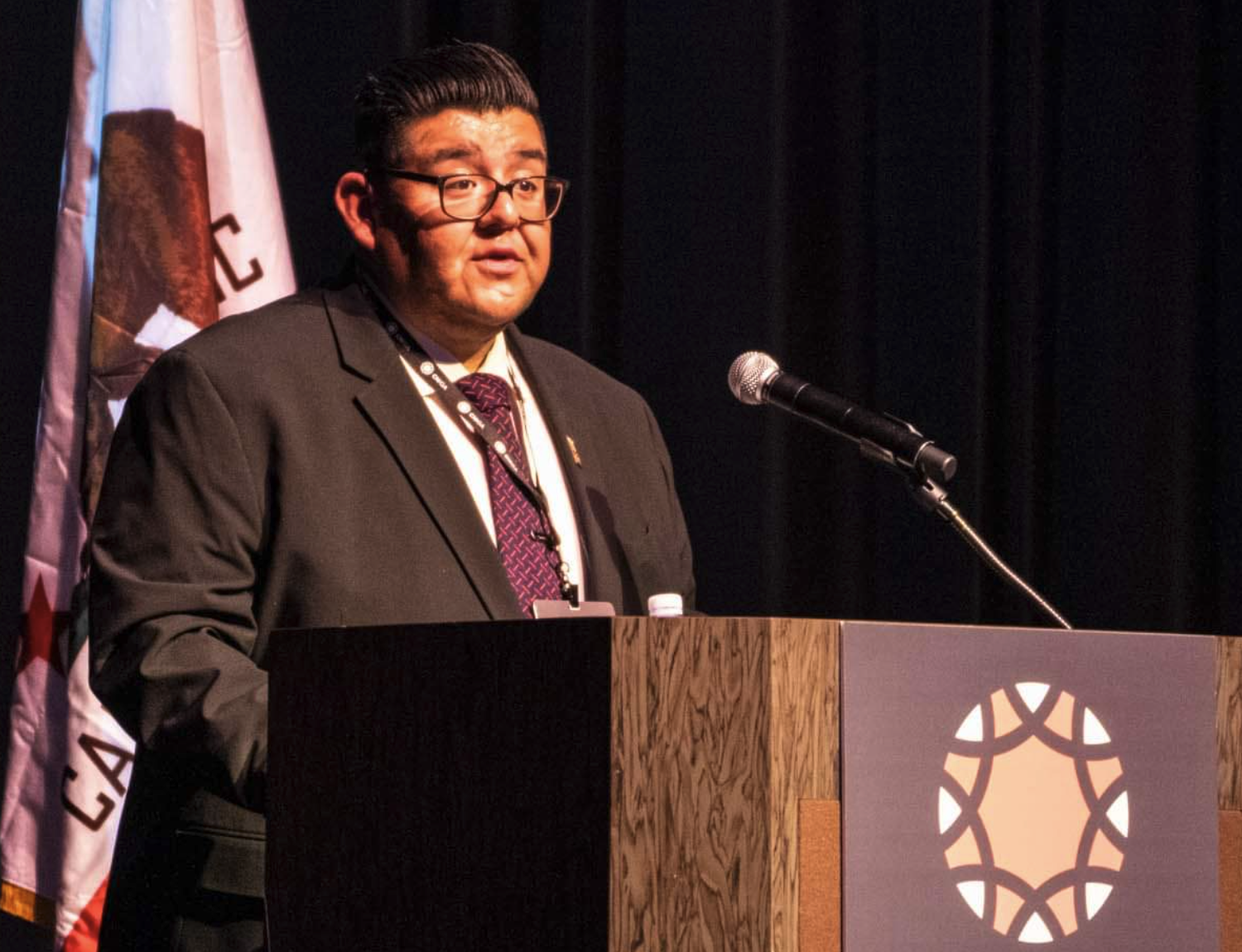
Siva, chairman of the California Nations Indian Gaming Association, spoke Wednesday at the Oklahoma Indian Gaming Association Conference. He noted that initial estimates already project a 5% hit to tribal casino revenues this year due to the rapid growth of prediction markets.
He said the 25% sales attrition could be realized over the next year if all-or-nothing exchanges continue expanding.
“Put it in congressional numbers, (and) that’s the equivalent of defunding the BIA, the (Bureau of Indian Education) and Indian Health Services,” he said at the conference. “That’s how much revenue that we all use to improve the lives of our citizens that is potentially leaving Indian country.”
Siva is vice chairman of the Morongo Band of Mission Indians, which operates a namesake casino resort in Cabazon, Calif. It’s one of the largest gaming venues in the state.
‘Wild West’ for Prediction Markets
If Siva’s projection is accurate, tribal casinos could lose a staggering sum at the hands of prediction markets. Earlier today, the National Indian Gaming Commission (NIGC) reported that Indian Country casinos posted $46.2 billion in sales in 2025. A quarter of that figure is $11.55 billion.
Whether Siva is engaging in hyperbole remains to be seen, but in May, the American Gaming Association (AGA) estimated prediction markets have already pilfered $1 billion in tax revenue that normally would have gone to states and tribal nations.
That figure has since grown to $1.21 billion, according to the casino trade group.
Siva, whose criticisms of prediction markets are well-documented, expressed concern about the lack of regulations and tax clarity pertaining to these operators.
“It’s just the Wild West for these guys,” Siva said at the conference. “There’s no jobs being created. There’s no improvements to local communities. There’s not even any money going back into the American economy. Most of this investment is private equity, foreign investment, so all of these dollars are leaving.”
‘Most Dangerous Threat’
Prediction market grievances held by tribal casino operators are in part rooted in those entities typically holding exclusive compacts with the states in which they do business. The tribes view prediction markets as unapproved threats to those agreements.
Likewise, some of the largest tribal casino regions are states, such as California, where sports betting isn’t legal, or is competitively limited (Florida), but many yes/no exchanges are leveraging sports derivatives to encroach on gaming territory controlled by tribes without approval.
“This is the most important, dangerous threat we have ever seen to this industry,” Siva told attendees at the Oklahoma conference.
“It has the fundamental ability to reshape and reform what gaming is in this country,” he concluded.

 Most Read

Another Shooting Near Las Vegas Strip Casino Injures Man
 972,544 views

Vintners Oppose Napa Valley Casino
556,167 views




Conversation (1 comment)