 Main menu

Financial
Even Senators Who Shaped Spending Bill Blindsided by Gambling Measure
Posted on: July 9, 2025, 08:18h.
Last updated on: July 9, 2025, 09:52h.


- Gambling loss deduction capped in last-minute Senate amendment
- Lawmakers say they never saw the provision before vote
- FAIR BET Act aims to repeal “punitive” tax change
Many lawmakers say they were unaware that “the One Big Beautiful Act” passed by Congress last week included a provision that makes it harder for Americans to deduct gambling losses. The measure is now under scrutiny as Democrats push to repeal it.
“I don’t think anybody knew it was in there,” Rep. Dina Titus (D-Nev.) told The HuffPost. “I talked to people on the conference committee. They said, ‘We don’t know where that came from.’”
Sen. Chuck Grassley (R-Iowa) and Sen. John Cornyn (R-Texas) confirmed to the news website that they were surprised to learn that the provision existed, despite sitting on the Senate Finance Committee — the very panel that worked on the tax provisions of the omnibus bill.
“I don’t know anything about it. I’m not sure what it does,” Cornyn confessed.
Crapo Clause
What it does, specifically, is raise gamblers’ taxes by limiting how much of their losses they can deduct. Only 90% of losses will be deductible under the new rules, meaning even gamblers who break even could end up with a sizable tax bill.
The gambling amendment wasn’t in the original House version of the bill and appeared only in the final conference report after negotiations between the House and Senate. Slipped into a nearly 1,000‑page tax section, it escaped public scrutiny until the bill neared voting.
So where did it come from?
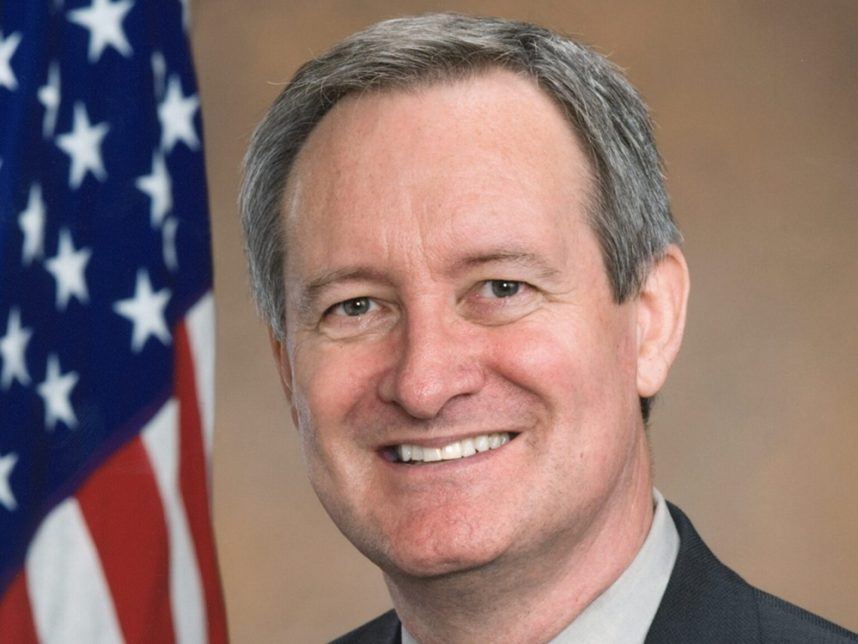
The amendment was introduced by Sen. Mike Crapo (R-Idaho), chair of the Senate Finance Committee, who was probably driven more by fiscal restraint than by any ideological opposition to gambling, although both factors may have played a role.
The measure is estimated to generate $1.1 billion in tax revenues over eight years, according to the nonpartisan Joint Committee on Taxation.
‘Sneaky’ Change
As a state legislator in Idaho in the early 1990s, Crapo opposed casino-style gambling, supporting a constitutional amendment to ban it statewide. However, since arriving in the US Senate in 1999, he has shown little legislative interest in gambling matters and has remained largely silent on modern gambling policy. As of Wednesday, Crapo hadn’t commented publicly on the measure.
But Titus, a longtime advocate for Nevada’s gaming industry, described it as “a sneaky, unnecessary change that hurts people in my district,” adding that it was both “punitive” and “unfair.”
On Monday, she introduced legislation, the FAIR BET Act, to repeal the provision. Her bill would restore the previous tax treatment for gamblers, allowing them to deduct 100% of their losses.
“We should be encouraging players to properly report their winnings and wager using legal operators. The Senate change will only push people to not report their winnings and to use unregulated platforms,” she said.

 Most Read
Another Shooting Near Las Vegas Strip Casino Injures Man
 972,770 views

Vintners Oppose Napa Valley Casino
556,371 views


Conversation (0)
Be the first to comment on this article.