 Main menu


b2b
Calls for Online Gambling Bans Spread Across Latin America as Chile Joins Debate
Posted on: October 27, 2026, 12:09h.
Last updated on: October 27, 2026, 12:10h.

Key Points
- Chile's government has proposed licensing private online gambling operators, but rival Senate amendments seek a ban or lottery monopoly
- The proposals come weeks after Brazil shut down its regulated betting market
- Buenos Aires Province is also considering an online gambling ban


A growing push to restrict online gambling across South America has reached Chile, where lawmakers are seeking an outright ban despite government plans to establish a regulated market.
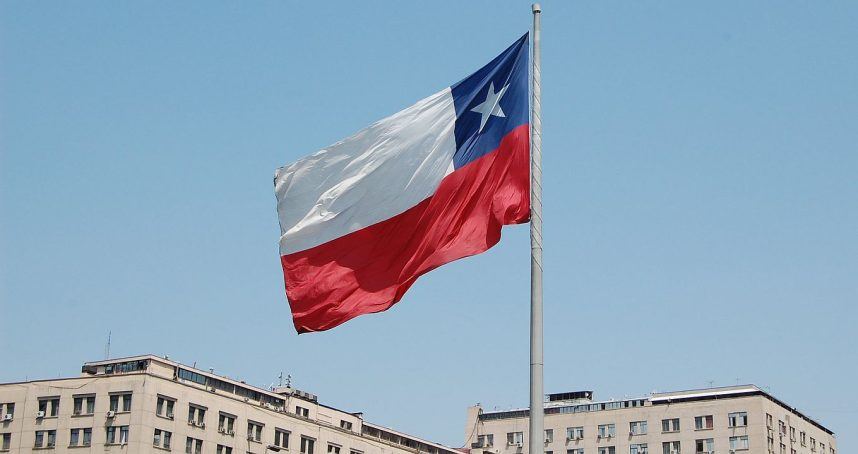
President José Antonio Kast’s government submitted a package of amendments to the country’s Senate on Monday (October 26). The proposals would establish a licensing regime for operators, with new taxes, advertising restrictions, and measures to protect players.
However, Chilean senators have submitted two rival proposals that would fundamentally change the legislation. One would completely ban online gambling, while the other would reserve the market for Chile’s existing lottery operators.
Chile Proposals Include Prison Sentences
Under the government’s proposals, operators could apply for five-year licenses, and would pay 19% VAT on the difference between stakes and winnings, alongside an additional 3% tax. Advertising and promotional bonuses would not be allowed. The proposals include default deposit and playing-time limits.
However, senators Diego Ibáñez and Gastón Saavedra have proposed replacing the legislation with a complete ban.
“It is prohibited to develop, operate, manage, offer, broker, or advertise, directly or indirectly, online gambling platforms that operate in Chile,” reads their amendment to the bill.
The proposal would even impose prison sentences of six months to three years for commercial violations.
A separate proposal from Senator Daniel Núñez would reserve online gambling for Chile’s two existing lottery operators.
It would also introduce penalties for customers who knowingly gamble on illegal platforms at least three times within 90 days.
The Senate’s Economics Committee must now consider the competing amendments.
Chile has already moved against unlicensed operators. In September, telecommunications authorities ordered internet providers to block 42 gambling URLs following court rulings.
Brazil Ban Fuels Wider Regional Debate
The proposals come weeks after Brazil implemented its own ban on online gambling. Meanwhile, lawmakers in Argentina’s Buenos Aires Province are also considering restrictions, including a proposal to prohibit online gambling.
Brazil shut down licensed online gambling on October 6 under an executive measure signed by President Lula.
However, the ban faces legal challenges. On Monday (October 26), Supreme Court Justice Luiz Fux allowed the prohibition to remain in force while scheduling a November 3 hearing to consider arguments from the government, gambling operators and football clubs.
The debate has also reached Buenos Aires Province, where Senator Federico Fagioli has introduced legislation dubbed the “Lula Law.”
His proposal would repeal the province’s online gambling licensing framework, banning sports betting and online casino games while retaining traditional lotteries.
But it faces a challenge from a separate bill that looks add new safeguards to the existing framework, with a focus on preventing underage gambling.

 Most Read

Another Shooting Near Las Vegas Strip Casino Injures Man
 972,820 views

Vintners Oppose Napa Valley Casino
556,422 views


Conversation (0)
Be the first to comment on this article.