 Main menu

iGaming
Brazil Drops Betting Bombshell, Pulls Plug on Regulated Market
Posted on: September 28, 2026, 06:29h.
Last updated on: September 28, 2026, 02:11h.


Key Points
- Brazil issued 85 five-year betting authorizations costing R$30 million each, but operators will receive no refunds or compensation
- Lula had threatened tougher action, but the government was still strengthening enforcement against illegal betting just 10 days earlier
- The provisional measure takes immediate effect but requires congressional approval, while gambling industry groups are preparing legal challenges


Brazil has abruptly pulled the plug on its regulated online gambling market less than two years after its launch, ordering licensed sportsbooks and online casinos to shut down and leaving operators facing the loss of millions invested in the country.
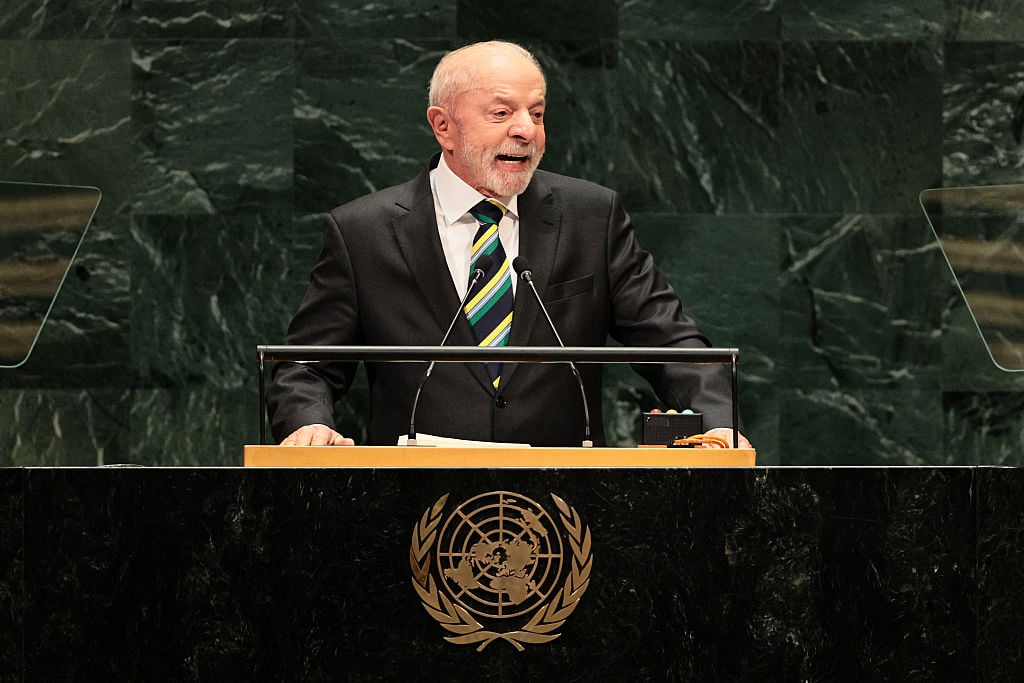
President Luiz Inácio Lula da Silva signed a provisional measure Friday (September 25) prohibiting the operation, offering, intermediation, and advertising of fixed-odds betting throughout Brazil.
The measure covers both sports betting and online casino gaming and extends to state and federal licensees. New customer deposits were prohibited immediately, while betting websites and apps must go offline October 6.
The decision represents an extraordinary reversal for a country that only completed the regulation of its enormous online gambling market at the beginning of 2025.
Lula himself signed legislation establishing the regulatory framework in December 2023. Since January 1, 2025, operators have needed authorization from the Ministry of Finance’s Secretariat of Prizes and Betting (SPA) to serve Brazilian customers nationally.
Billions Paid for Licenses
The government says 85 authorizations were issued, each costing R$30 million (US$5.6 million), generating R$2.55 billion (US$478 million) in licensing fees.
Those licenses were granted for five years, but Lula’s measure specifically denies operators refunds or compensation for their investments, lost profits, or expectation that they would be permitted to continue operating.
Bettors have until October 5 to withdraw their balances. Advertising and sponsorship materials must also be removed by then.
The regulated industry had little warning of the scale of the reversal, although Lula had increasingly signaled that a crackdown was coming.
On September 18, the president said that, if it were up to him, he would “end” betting in Brazil. Days later, reports suggested his government was considering banning online casino games while potentially preserving regulated sports betting.
Instead, Friday’s measure went considerably further.
Just 10 days earlier, the SPA had announced new measures to strengthen the existing regulatory system by disrupting financial transactions involving illegal gambling operators.
Public Health Concerns
The government has justified the ban primarily on public-health and financial-harm grounds, arguing that online gambling has contributed to household debt and created growing demand for treatment of gambling-related problems.
The decision comes just days before Brazil’s October 4 presidential election, in which Lula is seeking another term. Betting had become an increasingly prominent issue in his reelection campaign.
Industry groups are now preparing a legal challenge. The Brazilian Association of International Gaming Operators and Providers (ABRAJOGO) said the government had abruptly dismantled a regulatory framework it created itself after companies invested, hired workers, and built operations to comply with federal requirements.
The provisional measure has immediate force but requires congressional approval to become permanent. It can remain in effect for up to 120 days while Congress considers it.
However, despite the immediate upheaval and fears of a permanent shutdown, some industry observers expect the ban to be short-lived. Advisory firm Regulus Partners puts the likelihood of it being reversed within weeks or months at 85%, citing both a potential congressional rejection under Lula and the possibility of a change in government after the election.
Meanwhile, the government is preparing separate legislation that would create criminal offenses for operating or promoting fixed-odds betting, with proposed prison sentences of up to six years for illegal operators.

 Most Read
Another Shooting Near Las Vegas Strip Casino Injures Man
 972,667 views

Vintners Oppose Napa Valley Casino
556,272 views


Conversation (0)
Be the first to comment on this article.