 Main menu

Tribal Gaming
Prairie’s Edge Casino Wins Solar Fight After Utility Threatened to Cut Power
Posted on: September 21, 2026, 05:25h.
Last updated on: September 21, 2026, 05:25h.


Key Points
- Minnesota energy regulators ruled the utility acted unlawfully and unreasonably by threatening to disconnect Prairie’s Edge over its solar project
- The 2.5-megawatt array can supply about 30% of the casino’s electricity once an independent safety review is completed
- Regulators avoided deciding the broader tribal sovereignty question, while Minnesota Valley has indicated it will likely appeal the ruling


Minnesota energy regulators have cleared the way for a tribal casino to fire up a massive solar array after ruling that its electric utility acted unlawfully by threatening to pull the plug on the property, The Minnesota Star Tribune reports.
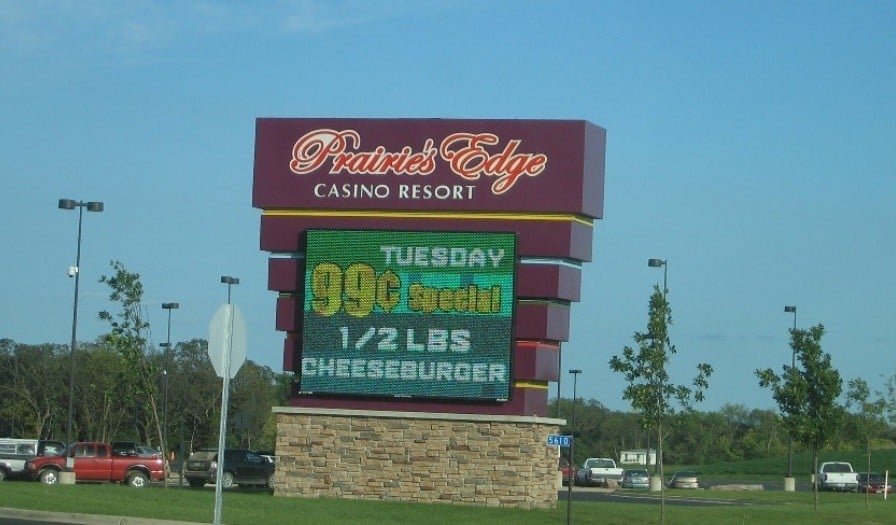
The Minnesota Public Utilities Commission (PUC) voted unanimously last week that Minnesota Valley Cooperative Light and Power Association cannot disconnect the Upper Sioux Community’s Prairie’s Edge Casino Resort because of its 2.5-megawatt solar project.
Minnesota Valley, a small co-operative utility that serves parts of western Minnesota, claimed the tribe’s solar array, at 2.5 megawatts, vastly exceeded the 40-kilowatt limit the utility allows its members. It threatened to cut off power to the casino if it turned the system on.
The new ruling means the array, which has sat unused despite being ready to operate, can finally be switched on once an independent engineer completes a safety review and the tribe addresses any resulting recommendations.
‘What You’re Doing is Wrong’
The PUC also ordered the utility to continue supplying electricity to the casino provided the solar system remains behind the meter—meaning it does not export electricity onto the wider grid.
“What you’re doing is wrong,” Commissioner Audrey Partridge told the cooperative during Thursday’s hearing, according to the Star Tribune. “You are treating your members as hostages.”
The decision follows a long-running battle over the multimillion-dollar solar project, which the Upper Sioux Community began developing in 2024 to reduce electricity costs and advance its clean-energy goals.
In November 2024, Minnesota Valley issued the tribe a cease-and-desist order and threatened to disconnect Prairie’s Edge if the system was activated.
The tribe countered that the utility’s restrictions did not apply because the system was designed solely to power its own property and would not feed electricity into the grid.
The array, which includes an 800-kilowatt battery storage system, is expected to provide about 30% of the casino’s electricity needs. Prairie’s Edge is the Upper Sioux Community’s principal economic engine, helping fund housing, healthcare, education, and law enforcement.
In June, Administrative Law Judge Joseph Meyer sided with the tribe, finding Minnesota Valley’s policies did not prohibit behind-the-meter generation and that disconnecting the casino over the project would violate the cooperative’s obligation to provide service.
More than two dozen other Minnesota electric cooperatives subsequently backed the judge’s findings, arguing that threatening disconnection over a non-export solar project was inconsistent with cooperative principles.
‘Unlawful and Unreasonable’
The PUC has now largely adopted Meyer’s recommendation, finding Minnesota Valley acted “unlawfully and unreasonably” by threatening the tribe with disconnection.
The PUC also agreed with the state Department of Commerce’s assessment that the cooperative’s actions were driven by concerns about lost electricity sales rather than legitimate safety issues. The commission noted evidence suggesting the tribe may already have been paying comparatively higher rates than other customers.
The Upper Sioux Community has also argued that, as a sovereign tribal nation, it is not subject to Minnesota utility law.
The commission declined to decide that issue, concluding it did not need to resolve the sovereignty question to find that Minnesota Valley could not prevent the casino from generating its own electricity.
Minnesota Valley’s attorney told commissioners the cooperative would likely appeal the decision.

 Most Read

Another Shooting Near Las Vegas Strip Casino Injures Man
 971,664 views

Vintners Oppose Napa Valley Casino
555,334 views


Conversation (0)
Be the first to comment on this article.