 Main menu

Tribal Gaming
New Alaska Native Casino Opens Near Juneau – Legal Stakes Are Massive
Posted on: June 4, 2026, 05:22h.
Last updated on: June 5, 2026, 06:53h.


- Tlingit & Haida opens Alaska’s newest tribal gaming facility
- Federal legal reversal threatens future of Alaska tribal gaming
- Historic trust lands complicate long-held assumptions about Native jurisdiction
After more than a decade of planning and legal speculation, the Tlingit & Haida Indian Tribes opened their Two Coppers Casino near Juneau, Alaska, on Wednesday.
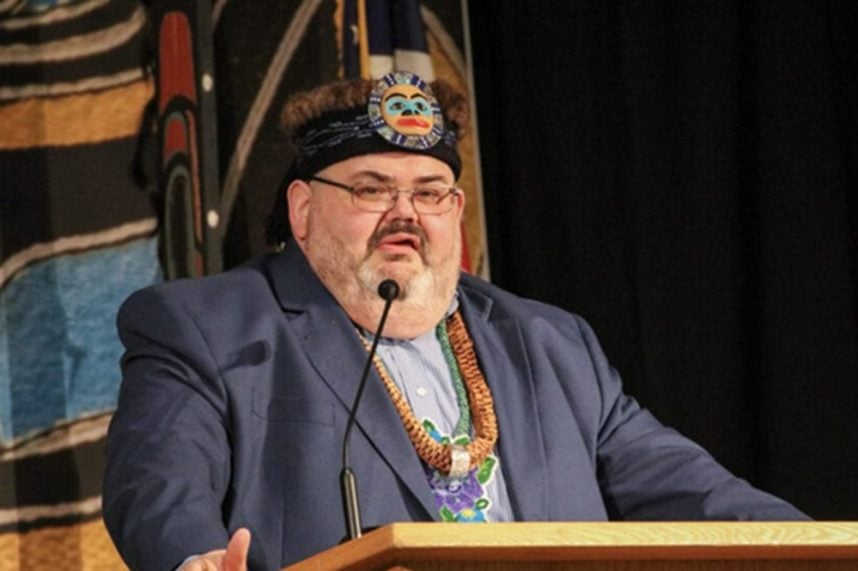
It may be a modest gaming hall packed with around 100 class II gaming machines, but the legal questions surrounding the project could have massive repercussions on tribal sovereignty and gaming rights in Alaska.
Speaking to The Juneau Independent, Chalyee Éesh Richard Peterson, president of the tribes’ Central Council, celebrated the opening as a win for economic development and an assertion of tribal sovereignty.
He said the facility is expected to generate revenue for tribal programs while creating new jobs in the Juneau area. But he also acknowledged legal opposition from the state and federal government may be looming.
At the heart of the matter is a question that has long divided federal, state, and tribal officials: What lands in Alaska qualify as “Indian lands” for purposes of tribal gaming under the Indian Gaming Regulatory Act (IGRA)?
Different Status?
Unlike most tribes in “the Lower 48,” Alaska Native tribes generally do not possess large reservation land bases. This is largely down to the federal Alaska Native Claims Settlement Act (ANCSA), which redistributed 44 million acres of inalienable land and shared an award of $962.5 million through a system of regional and village Native corporations.
Crucially, ANCSA, which predated IGRA by 17 years, recharacterized the tribes as private corporations, rather than sovereign nations with sovereign powers.
For decades, this arrangement led many observers to conclude that tribal gaming in Alaska was effectively impossible, because IGRA generally requires gaming to occur on lands over which tribes possess a recognized governmental interest or jurisdiction
The Biden administration briefly changed that.
A November 2022 DOI legal opinion determined that ANCSA did not necessarily prohibit the federal government from taking land into trust for Alaska Natives. This paved the way for the federal National Indian Gaming Commission (NIGC) to approve the casino Tlingit & Haida and Eklutna casinos.
In September 2025, the Trump administration Interior Department reversed the opinion, directing federal agencies to revert to an earlier opinion from 1993, which held that ANCSA largely eliminated tribal territorial jurisdiction over most Alaska lands.
This prompted the state to file a lawsuit against the Eklutna casino to shut it down.
Dig Deeper
But the legal status of Alaska Natives is more complex than this. Historical records show that the federal government accepted land into trust for Southeast Alaska Native communities in Angoon, Kake and Klawock between 1948 and 1950. It was just largely forgotten.
Those trust acquisitions predated the 1993 opinion by more than four decades and suggest Alaska’s legal landscape was never as completely devoid of tribal land bases as later interpretations have implied.
It was on one of those historic trust parcels that federal regulators would later determine the Organized Village of Kake could conduct Class II gaming under IGRA.
With opposition from the state, the Tlingit & Haida and Eklutna tribes may face a long legal battle, which could ultimately go all the way to the US Supreme Court. In the meantime, Peterson is staying optimistic.
“I feel fairly secure,” he told The Juneau Independent. “If they challenge it that’s their choice. That doesn’t mean I agree that they have a legal ground to stand on and that they’ll win.”

 Most Read

Another Shooting Near Las Vegas Strip Casino Injures Man
 972,615 views
Vintners Oppose Napa Valley Casino
556,228 views


Conversation (0)
Be the first to comment on this article.