 Main menu

b2b
House of Lords Committee Demands Total UK Gambling Ad Ban
Posted on: September 17, 2026, 06:49h.
Last updated on: September 17, 2026, 10:13h.

Key Points
- A House of Lords committee has recommended a comprehensive ban on gambling advertising, arguing current rules have failed to reduce exposure
- The committee rejected claims that tighter advertising restrictions would push players toward unlicensed gambling sites.
- Betting and Gaming Council CEO Grainne Hurst called the report “deeply misguided,” warning a blanket ban could strengthen illegal operators


The UK government faces calls to introduce a comprehensive ban on gambling advertising after a House of Lords committee concluded that existing restrictions have failed to keep pace with the market.
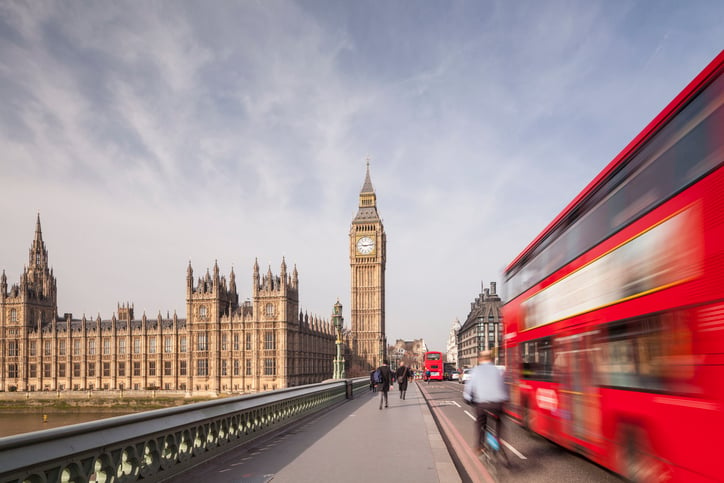
The House of Lords Liaison Committee said a ban represented the “most effective policy option” for reducing gambling harm. It also noted that there were “clear indications of public concern at the volume of gambling advertising.”
Its Sept. 17 report marked a significant hardening of the position taken by a previous Lords committee in 2020, which stopped short of recommending an outright advertising ban.
The new report estimated that between one million and 1.5 million adults in Great Britain experience problem gambling. It also argued that digital advertising and other forms of promotion have outpaced the existing regulatory framework.
Lord Foster of Bath, acting former chair of the committee, said a ban would reduce gambling participation and gambling-related harm.
“We are clear that this would shrink, rather than grow, the gambling sector and that this would make a positive difference to millions of people across the country,” Foster said.
BGC Warns Ban Could Fuel Black Market
The committee directly addressed the gambling industry’s argument that tighter advertising controls would drive players toward unlicensed operators. However, peers said they were “unconvinced” that restrictions on advertising by licensed operators would lead to significant displacement to the illegal market.
That conclusion drew a sharp response from Betting & Gaming Council (BGC) CEO Grainne Hurst, who called the report “deeply misguided.”
“Most concerning is the report’s willingness to dismiss the rapidly growing threat from the criminal gambling market simply because it does not fit its conclusions,” Hurst said.
She argued that advertising serves as a critical differentiator between licensed gambling companies and illegal websites. Hurst also pointed to Italy and the Netherlands, where restrictions on advertising have coincided with growing concerns over unlicensed gambling.
“A blanket advertising ban would remove a key competitive advantage of being licensed and regulated while doing nothing to stop illegal operators targeting British consumers,” she added.
Last month, the BGC warned that the UK black market in Premier League betting alone is on course to hit £1 billion ($1.36 billion) annually.
Hurst noted that the industry is not opposed to tougher standards where evidence supports them.
“None of this is an argument against robust advertising rules. It is an argument for proportionate, evidence-led regulation which recognizes the fundamental difference between businesses operating within one of the most tightly controlled sectors of the economy and illegal operators who ignore every rule,” she said.

 Most Read

Another Shooting Near Las Vegas Strip Casino Injures Man
 972,529 views

Vintners Oppose Napa Valley Casino
556,152 views


Conversation (0)
Be the first to comment on this article.