 Main menu

Prediction Markets
Survey: Healthcare Students Are Turning to Prediction Markets and OnlyFans to Pay Tuition
Posted on: July 21, 2026, 05:09h.
Last updated on: July 22, 2026, 12:11h.


Key Points
- Future doctors and nurses are turning to sportsbooks and prediction markets to pay steep tuition bills
- Betting among female healthcare students sits at double the national average for American women
- Many are also using non-traditional side hustles, from OnlyFans content to selling foot photos


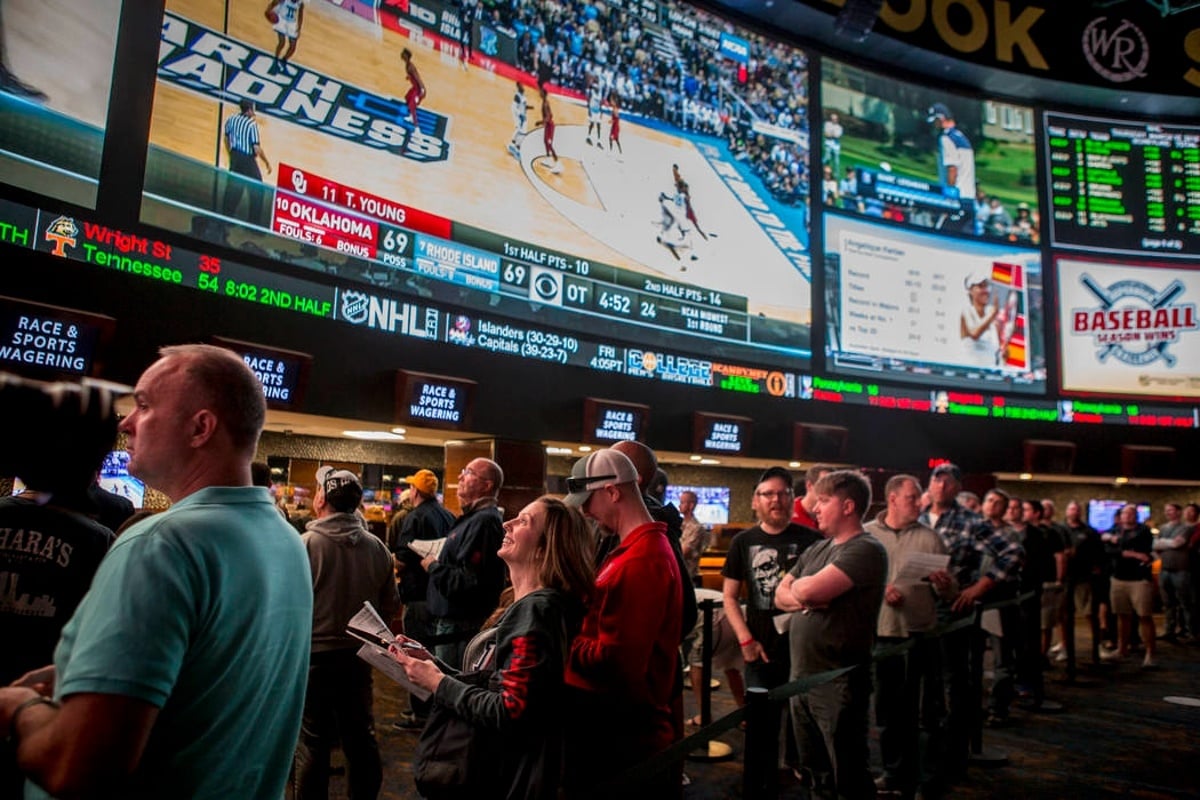
Aspiring doctors, nurses, and other healthcare students are turning to adult content, prediction markets, and sports betting to pay down steep tuition bills, according to new survey data.
Clasp, a loan-based hiring platform for various healthcare fields, today (July 21) unveiled the initial iteration of its State of Healthcare Student Finances report.
That study gauges “non-traditional income sources” healthcare students are using to deal with school costs and, indeed, some of those sources are unique.
They include content creation on OnlyFans and using prediction markets and sports betting to raise cash for school.
“The survey finds that more than 1 in 4 (27%) have used a betting or prediction market platform,” according to Clasp. “Two-thirds of student bettors (67%) treat winnings as real or potential school money: 24% say winnings are part of their plan to pay for school, and another 43% say it could help.”
The poll, conducted by Pollfish, queried 1,000 U.S. healthcare students. It did not reveal which medical or nursing schools respondents attend.
Some Concerning Trends
Twenty-seven percent of the healthcare students polled by Clasp said they’ve used an online sportsbook or traded on a yes/no exchange with half saying they’ve bet on DraftKings. Another 42% said they’ve bet on FanDuel while nearly a third (31%) said they traded event contracts on Polymarket.
Prediction market and sportsbook usage rates are higher among healthcare students than the typical 18-to-22-year-olds. Clasp points out that 73% of healthcare students are using sportsbooks or yes/no exchanges multiple times per week with 15% participating in those forms of wagering on a daily basis.
Those percentages are 14% and 4%, respectively, in the broader group of 18-to-22-year-olds. Add to that, many healthcare students are struggling to make money on prediction markets or through sports betting.
“Asked whether these platforms have made or cost them money, only 40% of student bettors say they’re net positive; half say they roughly break even,” notes Clasp. “The most common amount won or lost is $100 to $1,000, and 1 in 10 report amounts over $5,000. Two respondents reported wins or losses above $50,000.”
That jibes with a slew of other studies indicating the bulk of retail participants on prediction markets struggle to turn profits.
Female Healthcare Students Betting, 6% Selling ‘Spicy’ Content
As legalized sports betting proliferated in the U.S., operators attempted to woo more female bettors. It appears women aspiring to healthcare careers got that message.
Eighty-one percent of the respondents to the Clasp survey are women and 20% told the pollster they’ve bet on sports or traded on prediction markets. That’s double the rate at which women bet on sports on a national basis.
Healthcare students are using some other non-traditional income-generators, including 21% delivering “paid content creation on platforms like TikTok, YouTube, OnlyFans, or Substack,” according to Clasp.
Six percent of all respondents have even sold feet pictures “or similar content online” while 10% have considered donating their eggs or sperm.

 Most Read

Another Shooting Near Las Vegas Strip Casino Injures Man
 972,574 views

Vintners Oppose Napa Valley Casino
556,191 views


Conversation (0)
Be the first to comment on this article.