 Main menu

Financial
Gaming and Leisure Properties Bonds Sturdy, Says Research Firm
Posted on: August 25, 2024, 03:00h.
Last updated on: August 25, 2024, 01:26h.


Debt issued by casino landlord Gaming and Leisure Properties (NASDAQ: GLPI) looks appealing despite a recent spate of new issuance.
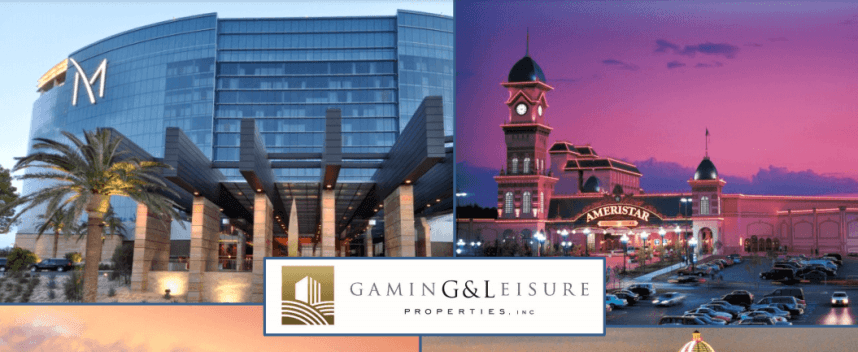
In a new note to clients, GimmeCredit analyst Kim Noland acknowledged that it’s been a brisk summer for the real estate investment trust (REIT) as it’s engaged in a variety of transactions that support long-term growth, but also resulted in the need to issue some new bonds. Some of those proceeds will be directed to paying for maturing issue that comes due next month.
In addition to agreeing to finance $110 million for the Belle of Baton Rouge to come ashore, GLPI announced in July that it’s providing Bally’s (NYSE: BALY) with $2.07 billion in financing that, among other objectives, will help the regional casino operator complete its permanent gaming venue in Chicago.
The provision of construction financing to tenants has become an important part of GLPI’s growth initiatives,” wrote Noland. “In addition to the July deal, it already agreed to provide Bally’s with construction financing for a sports stadium that complements Bally’s gaming resort in Las Vegas. While construction financing is somewhat riskier than the more usual propco/opco transactions of existing properties, the higher interest income is helping to expand GLPI’s adjusted earnings before interest, taxes, depreciation, and amortization (EBITDA).”
Bally’s and Penn Entertainment (NASDAQ: PENN) are GLPI’s two largest tenants, though the REIT counts other casino operators among its clients.
GLPI Bonds Could Be Supported By Bally’s Rent
In addition to the Chicago financing, GLPI said it’s acquiring the real estate of Bally’s Kansas City and Bally’s Shreveport for a total of $395 million. The combined annual rent on those properties will be $32.2 million, “representing an 8.2% initial cash capitalization rate.”
That brings more rental income in for the landlord and those contracts typically come with escalators that gradually increase rent over time, meaning more cash flow to support GLPI’s debt servicing efforts. Additionally, the REIT gained rights to purchase the real estate of Bally’s Twin River casino in Lincoln, RI before the end of 2026 for $735 million. That’s a reduction from the previously discussed purchase price of $771 million and assuming that deal is executed, the REIT would bring in another $58.8 million in annual rent.
Financing to clients to enhance venues already owned by REITs is a new growth avenue for GLPI and rivals because, as Noland pointed out, that’s not the typical operating methodology in triple-net leases.
“Second quarter financial results included consolidated total revenue of $381 million (+7%) and adjusted EBITDA was $340 million, a 4.6% increase from $325 million in the prior year period,” said the GimmeCredit analyst. “While annual interest expense has increased to near $350 million (on a pro forma basis), capex is modest since the leases require the tenants to maintain the properties.”
Cash Flow, Rates Could Boost GLPI Bonds
REITs, including casino owners such as GLPI, are sensitive to changes in interest rates. That explains the group’s laggard performance over the past couple of years and why some investors believe real estate equities could rally should the Federal Reserve lower borrowing costs in September.
In rating GLPI debt maturing in 2027 and 2030 “outperform,” GimmeCredit’s Noland highlighted the REIT’s cash flow and strong competitive advantages.
“The gaming REIT has good cash flow visibility; its business model benefits from high barriers to entry due to limited supply and a significant regulatory environment for gaming operator tenants,” she concluded. “While GLPI’s rental income is still weighted toward PENN (see recent PENN report dated August 21) newer tenants such as leading gaming companies Caesars, Boyd Gaming and Bally reduce the risk of individual tenant underperformance.”

 Most Read

Another Shooting Near Las Vegas Strip Casino Injures Man
 972,459 views

Vintners Oppose Napa Valley Casino
556,091 views


Conversation (0)
Be the first to comment on this article.