 Main menu

Legal
Ex-MGM Manager Loses US Supreme Court Bid in Colorism Bias Suit
Posted on: June 16, 2026, 08:40h.
Last updated on: June 16, 2026, 09:44h.


- Supreme Court declines review of MGM National Harbor bias lawsuit
- Former manager alleged discrimination based on lighter skin tone
- Jury found color was not a factor in termination
The U.S. Supreme Court on Monday (June 15) declined to review a long-running discrimination lawsuit brought by a former MGM National Harbor manager who alleged she was fired because she was a lighter-skinned Black employee.
Unlike a conventional race-discrimination case, the lawsuit centered on colorism — alleged discrimination based on skin tone among employees of the same race. Federal courts recognize color discrimination as a distinct claim under Title VII of the Civil Rights Act.
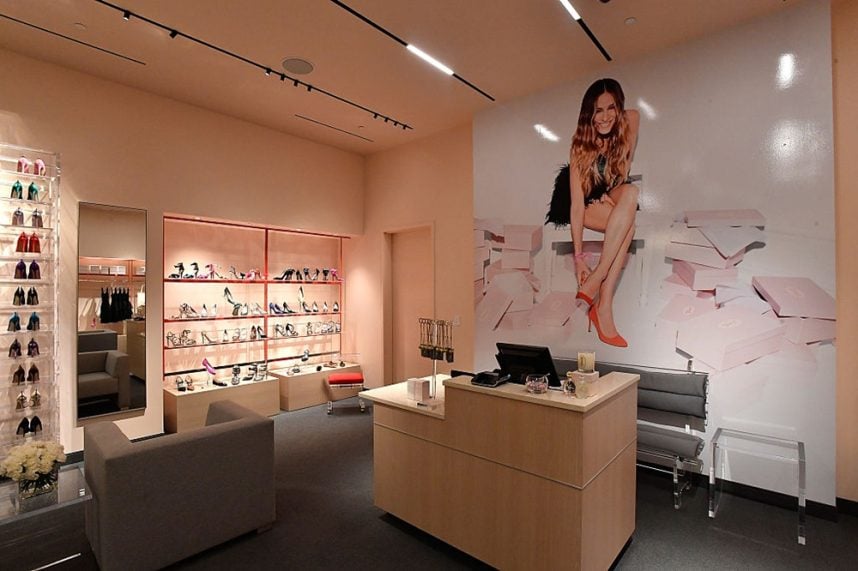
Felder, who represented herself for much of the litigation, sued MGM National Harbor after her 2017 dismissal from a retail management role at the SJP by Sarah Jessica Parker boutique at the Maryland casino resort.
Her original complaint accused MGM of race, color, and sex discrimination, along with several state-law claims including defamation, breach of contract, negligent supervision, and intentional infliction of emotional distress.
Undermined, Humiliated
Felder said she was headhunted to become assistant manager of retail at MGM National Harbor and store manager of the SJP boutique, and she accepted the position despite having been offered promotion elsewhere.
She initially helped improve morale, operations, and sales at the boutique, according to the complaint. But the relationship deteriorated after MGM’s director of retail operations returned from a leave of absence and began undermining her role, changing displays, excluding her from decisions, and humiliating her in front of other employees, Felder claimed.
At a high-profile event at the boutique in September 2017, Felder claimed the director dismantled her displays, ignored her requests for an explanation, and called security after describing Felder as an “irate” employee.
Felder alleged she was escorted from the property by security staff and armed officers with police dogs in full view of employees and guests and was barred from attending the event she had helped organize.
The incident was filmed by the director who then showed the video to SJP employees, according to the complaint.
The following day, according to Felder’s complaint, the director told her she was being separated during a 90-day probationary period. Felder alleged she had never been told she was subject to such a probationary period and refused to sign the separation paperwork.
Skin-Tone Bias?
Felder claimed that she was targeted because she was a lighter-skinned Black woman. Her complaint alleged that the director, described as a darker-skinned Black woman, favored darker-skinned Black employees and treated lighter-skinned Black employees more harshly.
Felder also alleged she was called “Queen,” a term she claimed carried a derogatory color-based meaning in context.
MGM denied the alleged derogatory remark and disputed Felder’s account of the events leading to her firing.
A Maryland federal court initially dismissed Felder’s discrimination claims, but the Fourth Circuit revived her color-discrimination claim in 2022, allowing the case to proceed. By the time it reached trial, the litigation had been narrowed to a single claim of wrongful termination based on color discrimination.
The claim ultimately went to trial, where a jury sided with MGM, finding Felder had failed to prove her skin color was a motivating factor in her firing. The Fourth Circuit affirmed that judgment in January.
Petition Denied
Felder then asked the Supreme Court to intervene. Her petition focused less on Title VII color-discrimination law and more on what she described as judicial misconduct, attorney misconduct, and systemic disadvantages faced by self-represented litigants. She argued that procedural errors throughout the case deprived her of a fair opportunity to present her claims.
The justices denied the petition, according to the Supreme Court’s June 15 order list. As is typical, the court gave no explanation.
The Supreme Court’s denial leaves MGM’s trial victory intact.

 Most Read

Another Shooting Near Las Vegas Strip Casino Injures Man
 972,742 views

Vintners Oppose Napa Valley Casino
556,345 views


Conversation (0)
Be the first to comment on this article.