 Main menu

Canadian Gaming
Responsible Gambling Council Doubles Ontario Campus Tour to 40 Schools
Posted on: September 25, 2026, 02:35h.
Last updated on: September 28, 2026, 07:23h.


Key Points
- RGC is expanding its gambling harm prevention tour from 20 to 40 Ontario campuses
- The expanded program aims to reach 10,000 students through interactive education and peer-led conversations
- BetGuard self-exclusion education will be a key component of RGC’s expanded campus harm-prevention campaign


The Responsible Gambling Council (RGC) is bringing its gambling harm prevention message directly to Ontario’s post-secondary campuses, a program expansion it announced in partnership with iGaming Ontario.
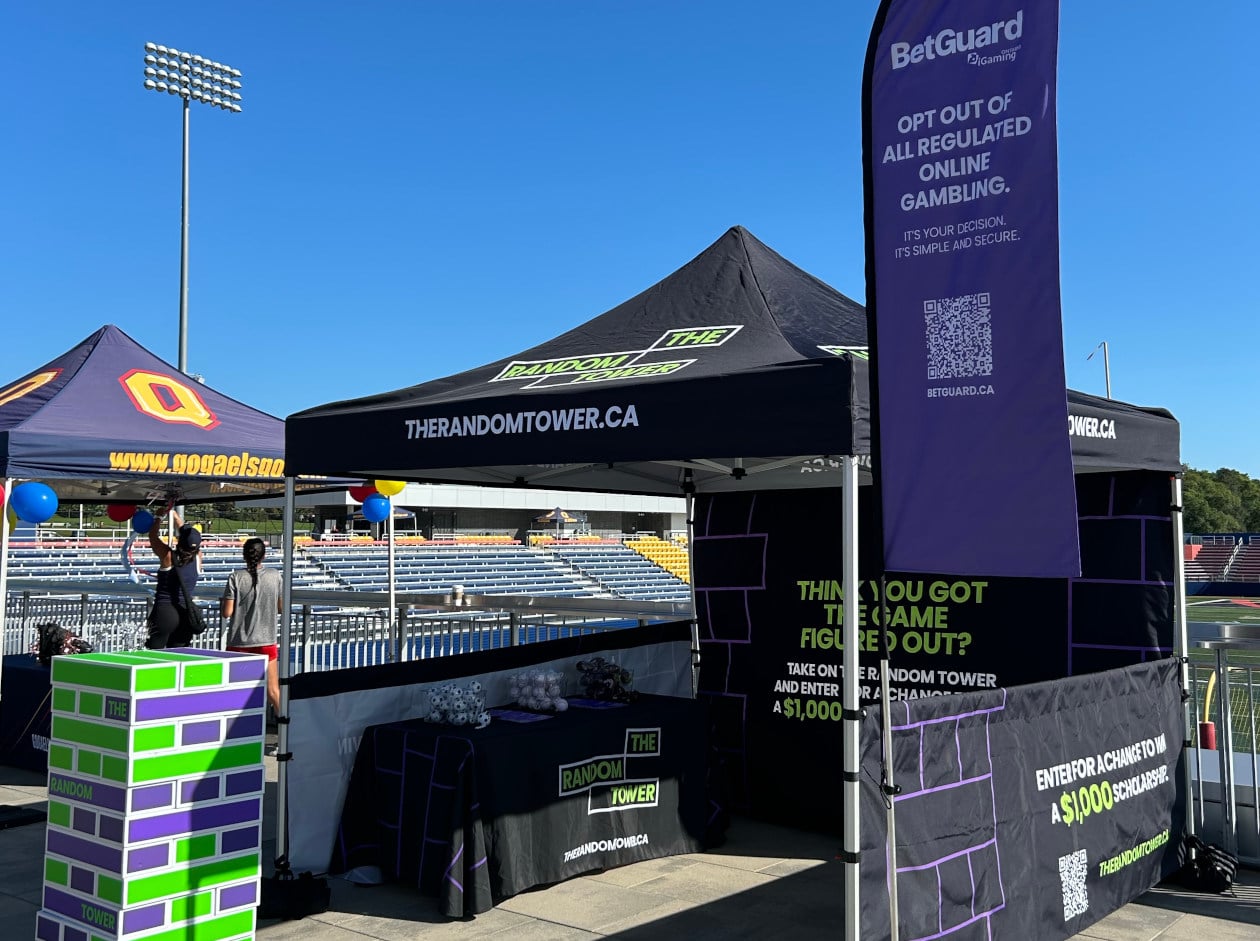
RGC’s post-secondary tour will hit 40 publicly funded college and university campuses in Ontario this academic year.
The Post-Secondary Campus Tour builds on RGC’s prevention work funded by Ontario’s Ministry of Health and expands from 20 campuses, targeting 10,000 in-person student interactions.
Targeting 10,000 Student Interactions
“Young adults are growing up in a world where betting is woven into how they watch and talk about sports,” said Sarah McCarthy, chief executive officer, Responsible Gambling Council.
“Meeting students on campus, in the moments that matter, is how we help them understand the risks and know their options. With iGaming Ontario’s support, we can now do that on almost all publicly funded campuses in the province.”
New elements in the program include at least 10,000 Student Education Kits distributed over the year, as well as an interactive education program called The Random Tower, delivered by RGC-trained ambassadors.
Random Tower Teaches Risk
The program, a giant version of the block-stacking game Jenga, includes key messages about gambling safety and harm reduction questions or prompts printed on the individual blocks.
A participant might pull a large wooden block, containing a message like “What are signs that gambling is becoming harmful?”, while trying to keep the structure standing. The messages emphasize how gambling and sports betting are shaped by factors outside a person’s control, like an injury or a Hail Mary pass, or simply shaped by randomness.
When the tower falls, that’s also the educational takeaway: the outcome of the game is never in the student’s hands.
BetGuard Part of Campus Messaging
Peer-aged educational ambassadors also talk to students about BetGuard, a single, province-wide self-exclusion system for all iGaming players launched last spring, which is another key part of the tour’s messaging. iGaming Ontario created BetGuard on behalf of the Ontario government.
“We’re proud to have recently launched BetGuard, which gives Ontarians a simple option to take a break from all regulated online gambling,” said Joseph Hillier, president and CEO, iGaming Ontario.
“This is just one part of our comprehensive responsible gaming approach that includes ongoing education on risks and knowing where to get support when you need it.”

 Most Read

Another Shooting Near Las Vegas Strip Casino Injures Man
 972,645 views

Vintners Oppose Napa Valley Casino
556,256 views


Conversation (0)
Be the first to comment on this article.