
CSGO Gambling Explained: How Counter-Strike Skin Betting Works in 2026


Summarize this post
Key Takeaways
- “CSGO gambling” generally refers to third-party skin gambling, not an in-game casino.
- The term still dominates searches even after CS:GO became CS2
- Common formats include skin betting on matches, roulette-style games, jackpot pools, coinflips, and case-opening or case-battle sites.
- The developer and publisher of Counter-Strike: Global Offensive, Valve Corporation, (commonly “Valve”) faced fresh legal heat in February 2026 when New York Attorney General Letitia James sued over loot boxes, arguing they promote illegal gambling because skins have real monetary value.
- Publisher and platform rules tightened further in late 2025, gambling and case-opening sites are now banned from tournament jerseys and branding
CSGO gambling isn’t a feature built into Counter-Strike: Global Offensive. It’s the ecosystem that grew up around around it.
The term refers to betting with virtual items known as skins, or balances tied to those skins, on third-party websites. The system didn’t disappear when CS:GO became Counter-Strike 2 (CS2). If anything, it carried over intact.
The name stuck. The system did too.
What makes it messy is what those skins actually represent. On paper, they’re harmless cosmetic items. In reality, they’re traded, resold, and priced like assets across marketplaces. That’s what pushes Counter-Strike into territory most games avoid, a gray market where item drops, and real money gambling mechanics start to overlap.
In 2026, that overlap isn’t just a curiosity. It’s the reason regulators and courts are starting to zero in.
What Is CSGO Gambling?
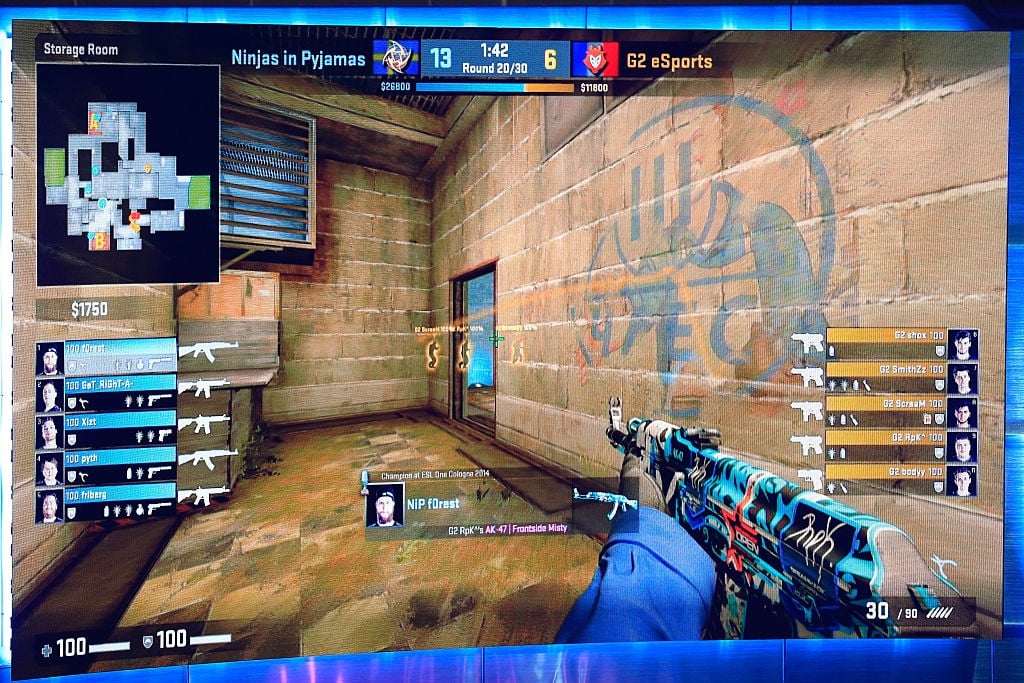
CSGO gambling refers to websites where you wager Counter-Strike skins, or a balance funded by selling those skins, on games of chance or skill. You don’t gamble inside Valve’s servers. You move your items (or their cash equivalent) off-platform to a third-party site, place the bet, and hope the outcome lands in your favor.
Skins stopped being purely cosmetic years ago. A rare StatTrak Factory New AK-47 Blue Gem pattern 661 skin can fetch thousands of dollars on the secondary market. In one extreme case in 2024, one such skin sold for more than a million dollars.
That tradability turns them into de facto currency.
Does CSGO Gambling Still Exist in the CS2 Era?
Yes. The game title changed, the engine got a massive overhaul, but the skin economy and the third-party betting sites built on top of it rolled right along. Players still open cases, trade knives, and hunt for playskins. Search volume for “CSGO gambling” barely dipped.
New 2026 reporting on Valve’s lawsuits and monetization tweaks proves the underlying market is alive and kicking.
How Does CSGO Gambling Work?
It breaks down into a handful of repeatable formats. While the specifics differ, they all run on the same principle, deposit skins or skin value, place the wager, and let the site handle payout or loss.
Skin Betting
You pick an esports match, such as a big CS2 tournament, and bet on who wins, the map score, or even specific player stats. Deposit a few mid-tier skins or convert them to site balance first. Win, and you get your stake back plus profit in skins or balance you can cash out. Lose, and the house keeps it. The house edge bites here just like it does on any sports book.
Roulette, Coinflip, and Jackpot Games
This is where the casino comparison stops being metaphor and starts being literal.
- Roulette spins a wheel weighted by skin rarity.
- Coinflip is exactly what it sounds like, 50/50, double or nothing.
- Jackpot pools work like a raffle, everyone throws skins into a shared pot, the site draws a winner at random, and the biggest contributor (by skin value) has the best odds.
Fast, loud, and designed to keep you clicking. Closer to traditional online casino mechanics than esports betting
Case Opening and Case Battles
Third-party sites let you buy and open cases that mimic Valve’s official ones, sometimes with better odds or exclusive rewards. Case battles pit you head-to-head against another player, both open identical cases, highest total skin value wins the pot.
Not every site frames these as “gambling” in their marketing, but the randomized-outcome-plus-real-value mechanic is why regulators and players lump them in anyway.
Why Counter-Strike Skins Have Gambling Value
Skins matter because they’re scarce digital goods with a thriving secondary market. Valve controls rarity through case drop rates, and players can trade freely on Steam or off-platform. That liquidity is the difference-maker. Esports Insider’s January 2026 comparison nailed it, CS2 skins can be traded, sold, and gambled, while VALORANT skins stay locked to your account.
No in-game advantage, sure. But status, flex, and cold hard resale value? That’s the hook.

Is CSGO Gambling Legal?
There isn’t a clean answer, and that’s where things get murky.
Most gambling laws weren’t written with tradable in-game items in mind. So everything hinges on interpretation, specifically, whether Counter-Strike skins count as a “thing of value.” If they do, a lot of this activity starts to look like unlicensed gambling.
That’s the argument showing up more often in lawsuits and regulatory actions. New York’s February 2026 lawsuit against Valve is the clearest recent example, it argues the entire loot-box-to-skin pipeline enables illegal gambling under state law. Plaintiffs point to the resale market, where skins can be sold for real money, and say the loop is obvious, players spend money for randomized items, those items hold value, and that value gets wagered.
Valve pushes back on that framing. Its broad position is that it doesn’t operate gambling platforms and that its systems, cases, trading, the Steam marketplace, don’t meet the legal definition of gambling in many jurisdictions.
Both sides are talking past each other, to a degree. Regulators are focused on how the system behaves. Valve focuses on what it directly controls.
That gap is why enforcement looks inconsistent. Some regions tighten rules around loot boxes or digital items. Others leave the space largely untouched. Age restrictions, consumer protections, and licensing requirements vary widely and in many cases, they’re still catching up.
So “is it legal?” depends less on the activity itself and more on where you are, how the platform operates, and how local law chooses to classify a digital item that behaves a lot like cash. Before you get involved in any trades or wagers, double check your local rules. “Legal in one place” doesn’t mean “legal everywhere”.
Why CSGO Gambling Has Been So Controversial
Youth access is a major issue, and has been since the first wave of skin gambling sites launched around 2016. Getting onto most of these platforms requires nothing more than a Steam account. No age verification. No credit card. Just a login and whatever skins you’ve accumulated. That’s why regulators keep circling back to it.
Money laundering is the other flag that won’t come down. Skins are liquid, they cross borders, and their value is semi-opaque. Investigators and journalists have documented cases where skin trades were used to move money. Valve has implemented trade restrictions and API changes in response, but the off- platform ecosystem adapts.
Publisher responsibility gets debated endlessly, how much should Valve police what happens after a skin leaves their ecosystem? Valve doesn’t run these gambling sites. But it does run the marketplace and API infrastructure that makes the skin economy function. How much responsibility flows from that is exactly what courts are now being asked to decide.
What Valve Has Done About It
Valve has never been shy about protecting its platform. It has banned unauthorized gambling sites, cracked down on fraud, and updated its Steam Subscriber Agreement to prohibit certain off-platform activity.
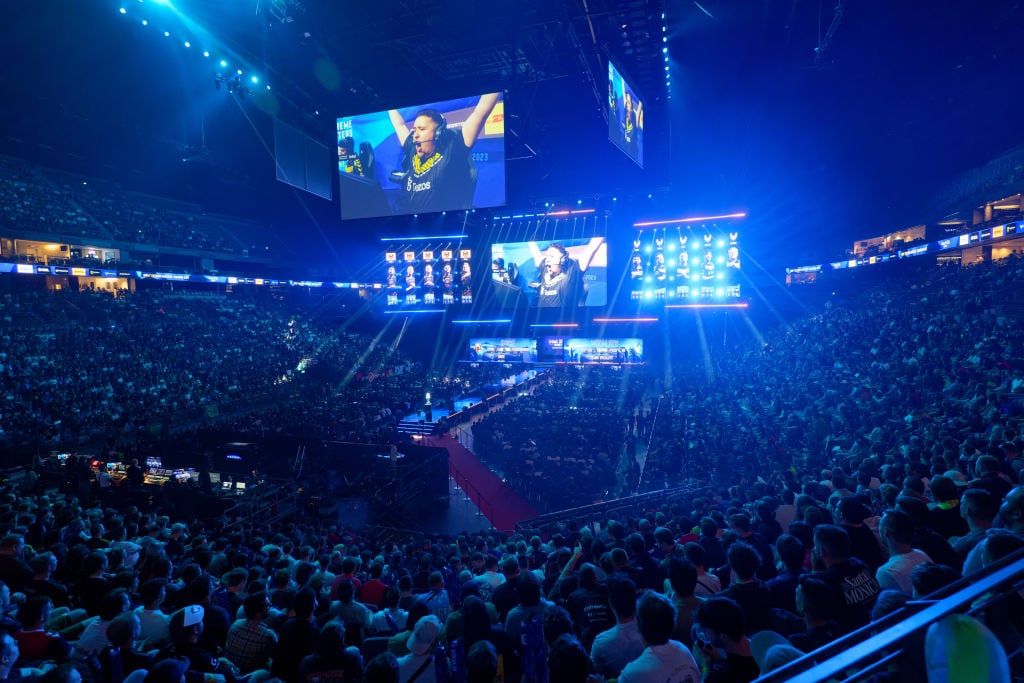
In late 2025 it tightened Tournament Operating Requirements and the Limited Game Tournament License, skin gambling, case-opening, and skin-trading sites are now explicitly barred from jerseys, on-screen branding, or sponsorship’s at any licensed CS2 event.
After the February 2026 New York lawsuit, Valve pushed back publicly. The company said it had worked with the AG’s office since 2023 to explain how virtual items and mystery boxes work, believes its systems do not violate New York gambling laws, and warned that the kind of changes the state wants would hurt users and other developers.
CSGO Gambling vs Loot Boxes: What’s the Difference?
Skin gambling happens on third-party sites. You deposit items and wager them externally. Loot boxes (or cases) are Valve’s in-game randomized purchases, you buy a key, open the container, and keep or sell whatever drops.
The two worlds connect because tradable skins flow between them. That flow is why legal fights over loot boxes still matter to the broader skin-gambling conversation.
In March 2026 Valve rolled out its X-ray scanner system in Germany (following France’s earlier roll out), letting players preview container contents before committing to open. This was widely seen as a compliance move to address growing loot-box regulation.
Is CSGO Gambling Safe?
Many of these sites operate with no meaningful oversight, no licensing requirements, no consumer protection body to complain to, no audited RNG. Payout delays and outright exit scams are documented, not theoretical.
Underage access is the sharpest edge of the controversy. A teenager with a Steam account and a few traded skins can be on a jackpot site in minutes. That’s precisely why Twitch banned CS:GO skin gambling site sponsorships, not because they were edgy, but because the audience skewed young and the promotions were aggressive.
Influencer driven promotions deserve specific skepticism. When a streamer drops a referral code for a case-opening site mid-broadcast, that’s a paid placement, not a recommendation. The structure is simple, the platform profits from volume, not outcomes. The site benefits whether you in or lose just as long as you keep playing.
What the Future Looks Like for CSGO Gambling
The trend line from 2025’s tournament crackdowns and the 2026 New York suit points in one direction, more legal exposure, more platform distancing, and an off-platform betting world that will keep mutating to stay ahead of both. “CSGO gambling” as a keyword will likely outlast several more rounds of regulatory pressure.
The interesting squeeze is that Valve is being pulled in two directions at once. Plaintiffs argue its systems already constitute gambling. Regulators in Germany and France are treating loot boxes as a separate but overlapping problem.
Valve’s compliance responses, restricting gambling site sponsorships, rolling out the X-ray scanner, are happening on a legal timeline, not a voluntary one. Whether those moves satisfy regulators or simply delay deeper action is the open question.
Bottom Line
CSGO gambling is still the name people use, but it’s never really been about CS:GO. It’s about a system where cosmetic items don’t stay cosmetic. They move. They’re priced. They’re wagered. And once that happens, the line between gaming and gambling doesn’t disappear, it just gets harder to draw.
That’s why the conversation hasn’t gone away even after the rebrand to CS2 and years of platform crackdowns. Even now, the legal heat is intensifying as lawsuits test just how far existing gambling laws can stretch.
The mechanics are still there. The demand is still there. What’s changing is how seriously regulators are starting to take both.
It’s third-party betting that uses Counter-Strike skins or skin-derived balances on roulette, jackpots, match wagering, and similar games.
Absolutely. The game name changed, but the skin economy and third-party sites did not.
There is no universal yes or no. It depends on your location, age, and how local law views tradable virtual items.
Deposit skins or balance, choose your format (betting, roulette, etc.), win or lose based on the outcome, and cash out what’s left.
Many players treat them that way because they involve paying for a random skin outcome with real secondary-market value. Legally, it varies by country.
New York’s 2026 lawsuit claims Valve’s loot-box system promotes illegal gambling by letting players buy chances at items that hold significant real-world cash value
Title Image Credit: Lutsenko_Oleksandr/Shutterstock