 Main menu

Las Vegas
UNLUCKY 7: The Worst Ideas Las Vegas Ever Had
Posted on: July 10, 2026, 04:33h.
Last updated on: July 13, 2026, 07:46h.


The Las Vegas Strip is a monument to risk, reinvention, and the belief that any idea — no matter how strange, expensive, or impractical — might become the next big attraction. Sometimes that gamble pays off. Other times, it spectacularly misfires.
Here are our Top 7 picks for the worst ideas Las Vegas ever had. These aren’t minor missteps, they’re full‑scale blunders that burned millions and repelled visitors. Even in a town built on ridiculousness, some ideas should never make it past the drawing board.
7. Lucky Dragon Casino (2016-18)
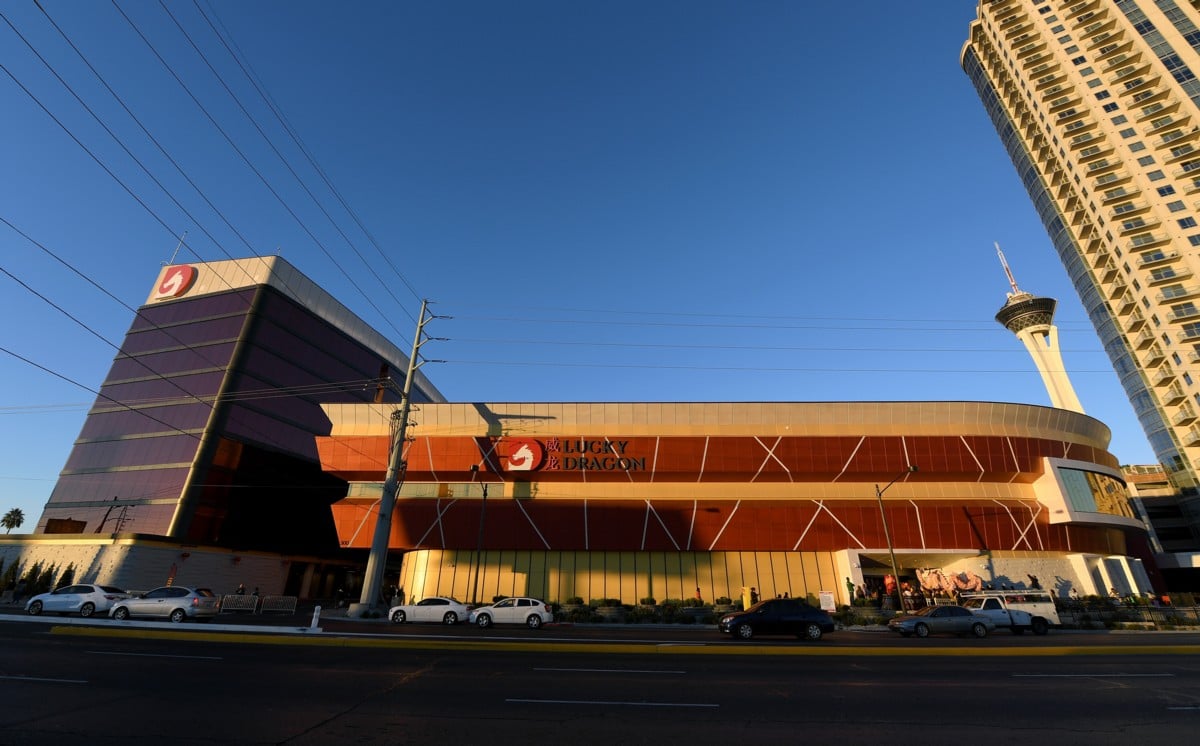
This small, Asian-themed casino north of and off the main Strip struggled from its 2016 opening day. It was an overly niche concept that suffered from its isolated location, marketing issues, and competition from the Wynn and Venetian, which already possessed deep ties to the Asian market through their Macau operations.
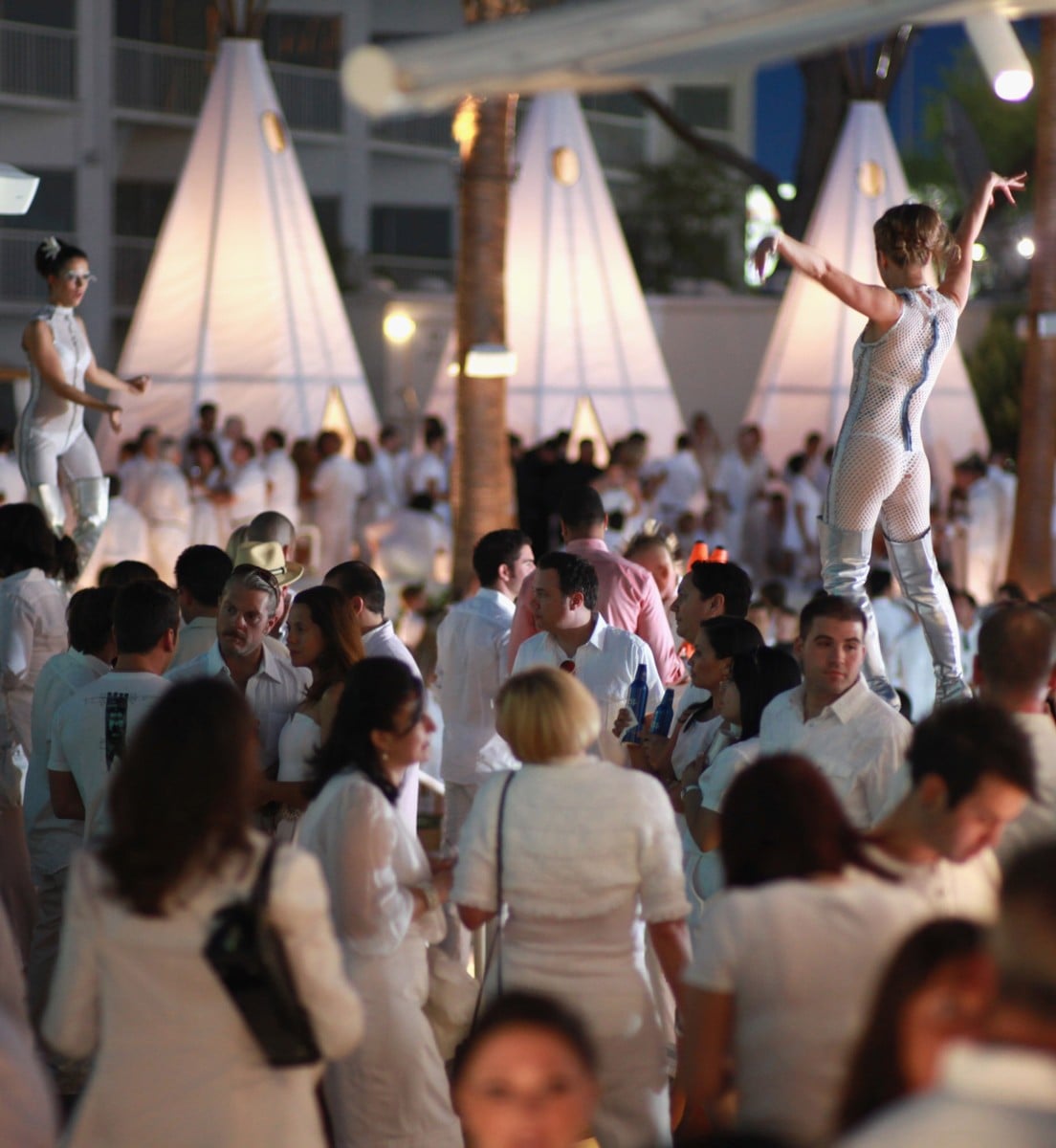
the Tropicana on May 26, 2011. (Image:
Chris Weeks, WireImage via Getty)
6. Tropicana’s Nikki Beach Dayclub/Club Nikki Nightclub (2011)
In 2011, a Miami-based hospitality company opened a sexy, high‑end, Miami‑style dayclub … in a casino whose core audience was coupon‑clipping retirees!
It lasted one season, losing millions before being euthanized.
5. The Harmon Hotel at CityCenter (2008-2015)
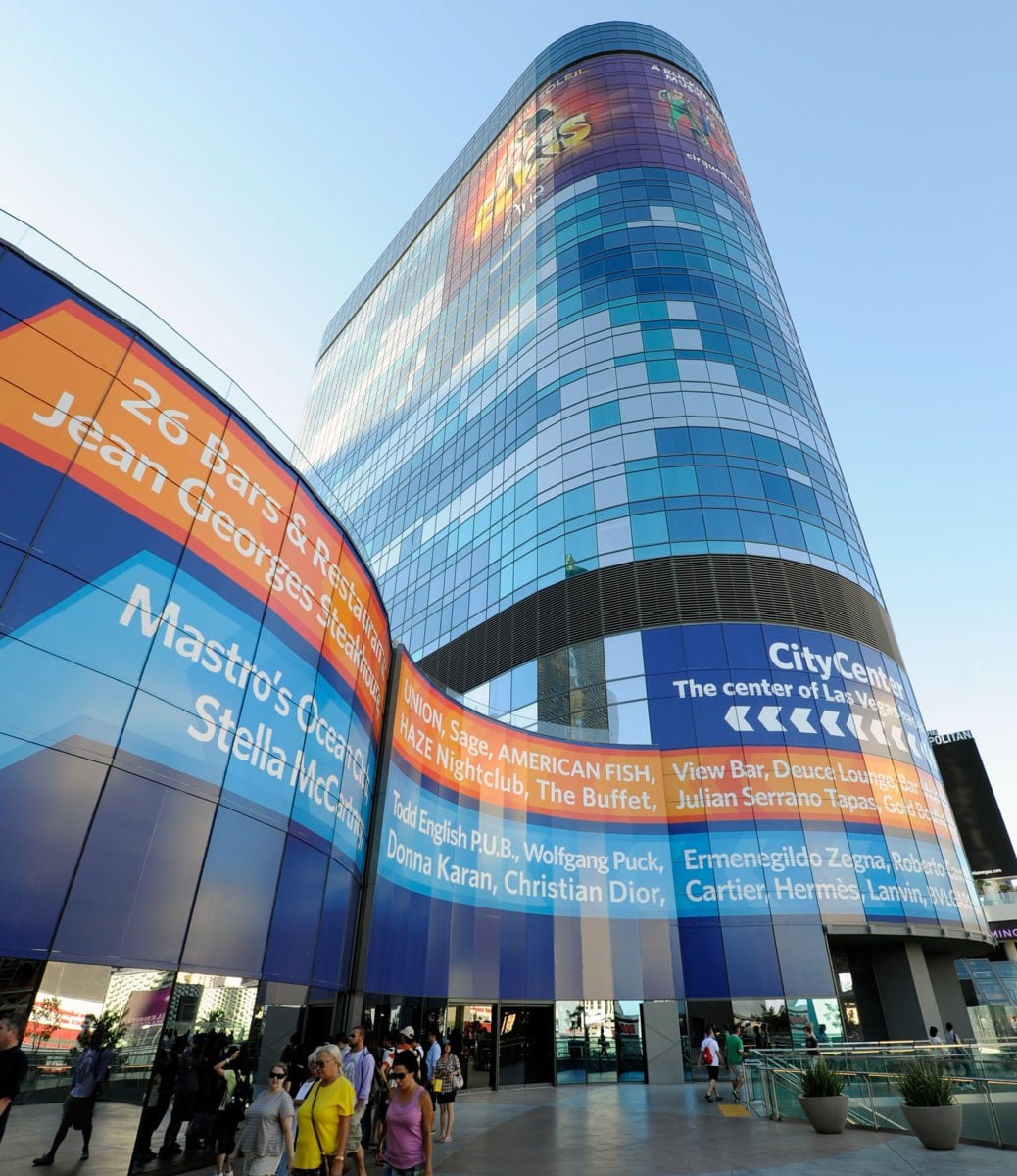
MGM Resorts intended the Harmon Hotel to be a 49-story hotel/condo tower. Midway through its construction in 2008, the structure’s rebar reinforcement was discovered to have been improperly installed, or entirely missing, in critical shear walls.
Approximately $275-$279 million was spent on the project before it was deemed a total loss. The half-built embarrassment, fully visible to Las Vegas Strip traffic, had to be dismantled floor by floor — due to its proximity to the Crystals shopping center.
The deconstruction project, which added $11.5 million to the price tag, was completed in 2015.
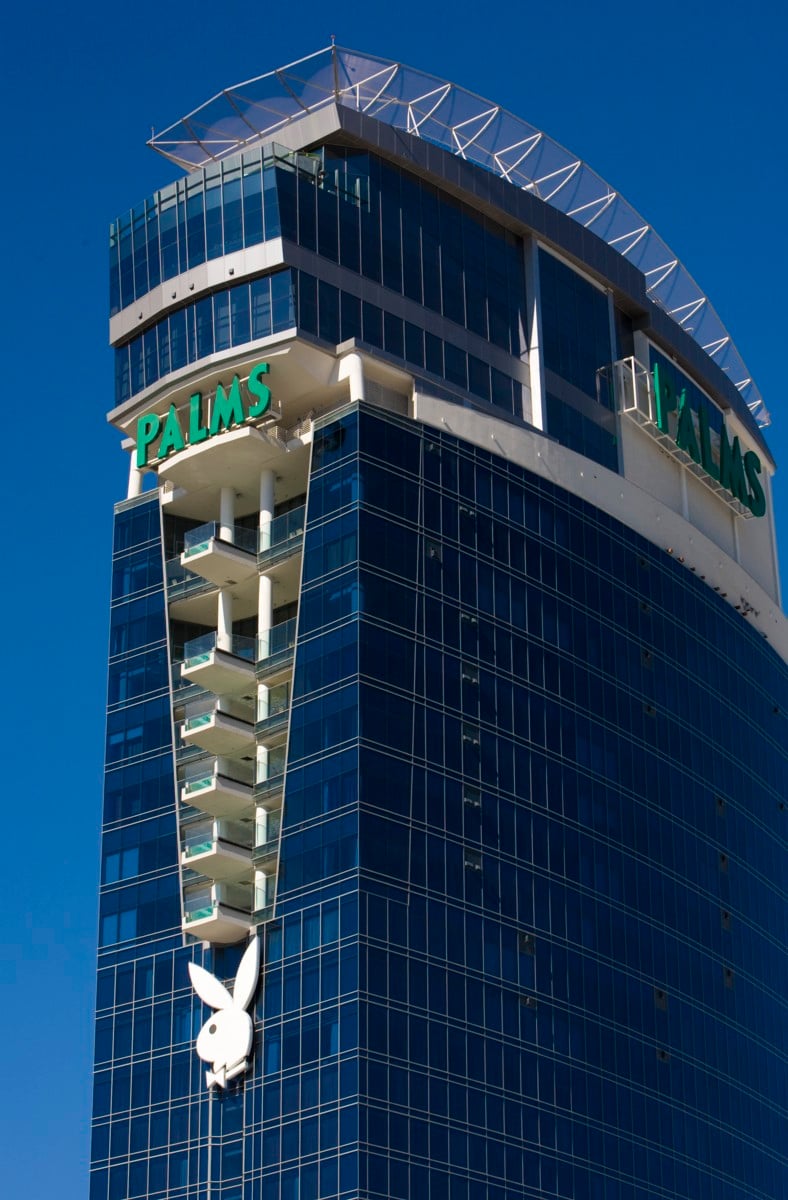
4. The Palms’ Playboy Club & Hugh Hefner Sky Villa (2006-12)
In 2006, the Palms introduced a Playboy Club, bunny dealers, and a $40,000-per-night Hugh Hefner Sky Villa.
Partnering with Playboy Enterprises would have been a spectacular idea in 1976. But by the mid-aughts, the brand was irrelevant.
Not only had internet pornography decimated the magazine’s readership, but Hef had entered his 80s, and his silk-robed sexism didn’t appeal to a younger generation that valued authenticity, autonomy, and egalitarian relationships.
They watched The Girls Next Door reality series on E!, but mostly due to Holly Madison’s appeal and a creepy voyeurism. They wanted a peek behind bedroom doors at whether Hef’s late-life harem still sexually functioned and how.
But this was a charade to gawk at, not aspire to anymore.
3. MGM Grand Adventures Theme Park (1993-2000)
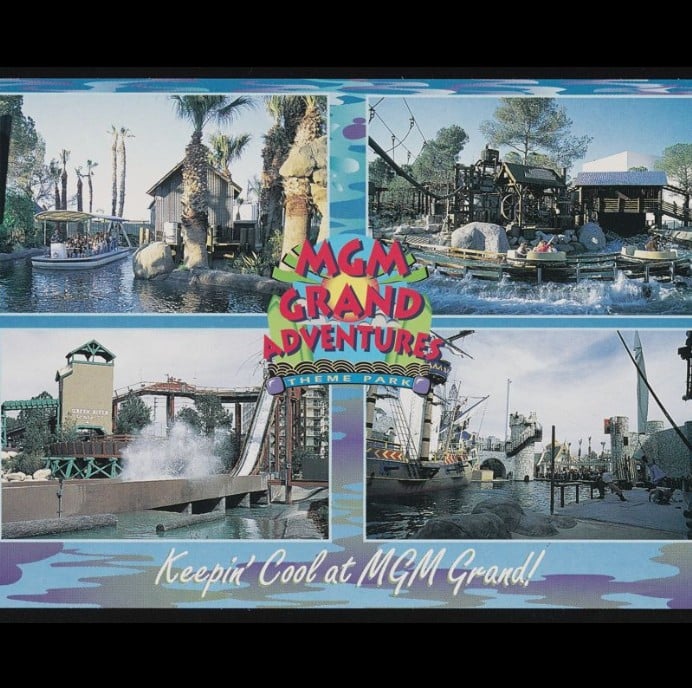
MGM Grand owner Kirk Kerkorian spent $120 million attaching a theme park onto the back of his relocated resort with roller coasters, shows, and movie-themed rides.
The idea was to compete with Disney and lure families to Vegas.
The problem wasn’t the concept of an amusement park on the Strip. The lasting success of Circus Circus’ Adventuredome, which debuted three months earlier, proves that.
The bad idea was not also enclosing MGM Grand Adventures inside a climate-controlled dome.
Most families vacation when school’s out for the summer — which, in Las Vegas, means 115-degree heat.
2. Sirens of TI (2003-2013)
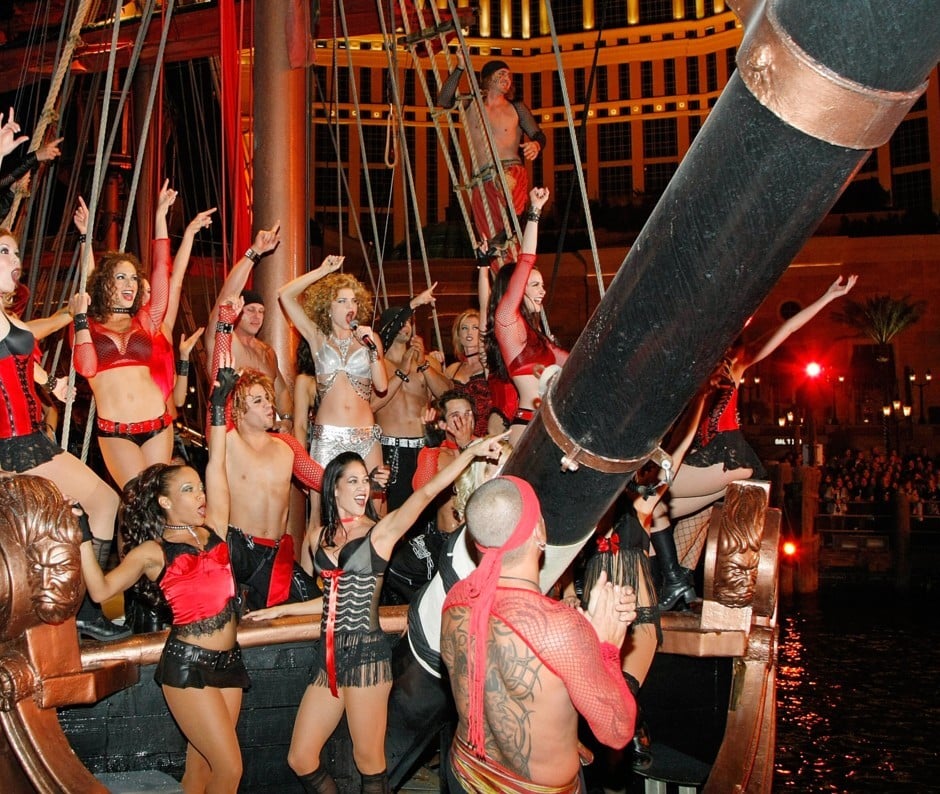
Treasure Island’s Battle of Buccaneer Bay pirate show was a fun, family-friendly, free spectacle conceived of by Las Vegas visionary Steve Wynn.
New owner MGM Mirage’s decision to replace it with a hyper‑sexualized MTV video featuring bad music and worse dialog was, pun intended, the worst entertainment misfire in Las Vegas history.
Sirens of TI became a punchline, alienating families and failing to attract young gamblers into the casino. Crowds began watching it ironically, to see if it really lived up to how bad they heard it was. (It did.)
Incredibly, the show lasted 10 years before being forced to walk the plank.
1. A Monorail That Skips the Airport (2004-present)
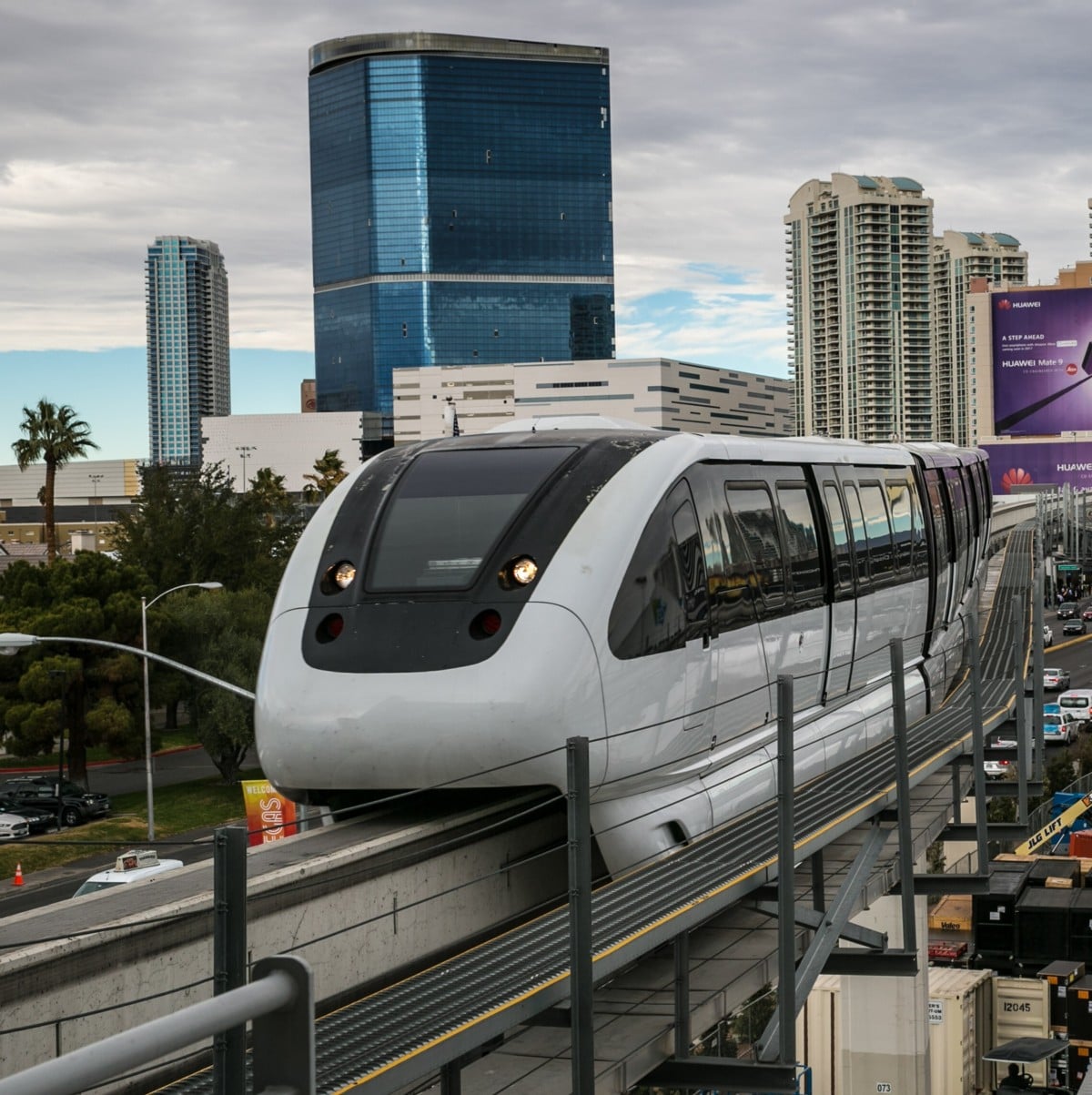
In 1995, MGM Grand and Bally’s introduced a simple shuttle connecting them using two used Disney Mark IV trains.
That was a perfectly good idea — unlike the idea to expand the system into a four-mile white elephant that travels only behind five eastside Strip resorts — plus the Las Vegas Convention Center and Westgate — without an airport connection.
The cars on the Las Vegas Monorail, which were designed for theme parks, lack luggage space. And that was the primary reason aviation officials gave for repeatedly rejecting airport extension proposals.
After opening in 2004, the monorail underperformed, went bankrupt twice, and was bought for $24 million (1/27th of its $650 million construction cost) in 2020 by the LVCVA, which plans to retire the aging system between 2033-35, repurposing its elevated track for the Vegas Loop.

 Most Read
Another Shooting Near Las Vegas Strip Casino Injures Man
 972,624 views

Vintners Oppose Napa Valley Casino
556,232 views


Conversation (8 comments)