 Main menu

Prediction Markets
Texas Medical Association Urges State to Set 21+ Age Limit for Prediction Markets
Posted on: August 28, 2026, 02:20h.
Last updated on: September 1, 2026, 07:33h.


Key Points
- 21 is the universally accepted minimum age for entering domestic casinos across the U.S
- A 21-and-over age requirement is also the benchmark across nearly all legal sports betting states
- The Texas Medical Association is demanding the state enforce that same 21+ limit for prediction market platforms


Doctors from the Texas Medical Association are urging state officials to set a minimum age of 21 for prediction markets, warning that vulnerable adolescent brains are susceptible to high-risk event trading.
While there’s a smattering of tribal casinos in the U.S. that allow 18-year-olds to wager, the prevailing betting age for casinos, iGaming and regulated sports betting in this country is 21 years old.
That requirement isn’t applicable to prediction markets because those entities aren’t regulated comparably to casinos. Plus, the industry is attempting to position itself as akin to financial markets, opening the door for 18-year-olds to procure accounts.
That concerns doctors in the Lone Star State. Physicians there recently embraced a policy from the Texas Medical Association (TMA) calling for the state to enact 21 as the youngest age for prediction market participation.
“Concerns over young people using these apps trouble physicians who worry that young males are more likely to develop problem-gambling behaviors, driving many into addiction and other negative behavioral health impacts,” according to the association.
Dr. Lindy McGee, former chair of TMA’s Committee on Child and Adolescent Health, notes that while prediction markets aren’t legally defined as betting outlets, the exchanges have “all of the psychological trappings of gambling.”
Texas Is an Interesting Case
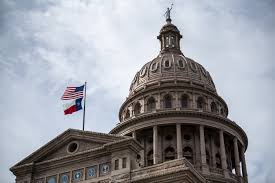
As of yet, the state hasn’t officially moved to a 21 and up requirement for prediction market trading, but earlier this year, Texas policymakers acknowledged various issues around yes/no exchanges could be examined during the 2027 legislative session.
Texas represents a critical battleground for prediction markets. As the nation’s second-most populous state without legal online sports betting, Texas has become prime real estate for binary event exchanges stepping in to fill the void for speculative retail traders.
Potentially problematic is the fact that in Texas and across the U.S. data suggest that more young boys are finding ways to gamble.
“More than 35% of boys aged 11 to 17 report having gambled in the past year, according to one study,” notes the TMA. “Another found 58% of 18 to 22-year-olds surveyed engaged in at least one sports betting activity.”
McGee points out that adolescent brains are “primed to take risks,” making young people vulnerable to addictions to alcohol, nicotine and wagering.
TMA Has Suggestions
Scores of studies indicate vulnerabilities among young people, particularly males, to problematic wagering patterns. How physicians, policymakers, regulators and therapists address those issues isn’t always uniform, but the TMA has some suggestions for its home state.
In addition to the 21 age requirement, the association wants Texas to restrict prediction market advertising near schools and parks and on social media platforms known for drawing adolescents.
Likewise, the group wants the state to bar from using advertising featuring “celebrities, cartoons, or characters from games and shows marketed toward teens and children.”

 Most Read

Another Shooting Near Las Vegas Strip Casino Injures Man
 972,480 views

Vintners Oppose Napa Valley Casino
556,110 views


Conversation (0)
Be the first to comment on this article.