 Main menu

Horse Racing
Top Horse Racing Handicapper and Rhodes College Professor Accused of Accessing Secret Racing Data
Posted on: August 19, 2026, 01:06h.
Last updated on: August 20, 2026, 05:51h.


Key Points
- HISA alleges Marshall Gramm accessed confidential health information on thousands of racehorses through its portal over roughly six weeks
- Investigators say Gramm viewed confidential health records on nine horses before purchasing them outright through claiming races
- Gramm denies bypassing security, arguing the information was accessible through his authorized HISA account because of an access-control vulnerability


A Rhodes College economics professor who teaches a specialized course on racetrack wagering markets has been accused of fraud by the Horseracing Integrity and Safety Authority (HISA).
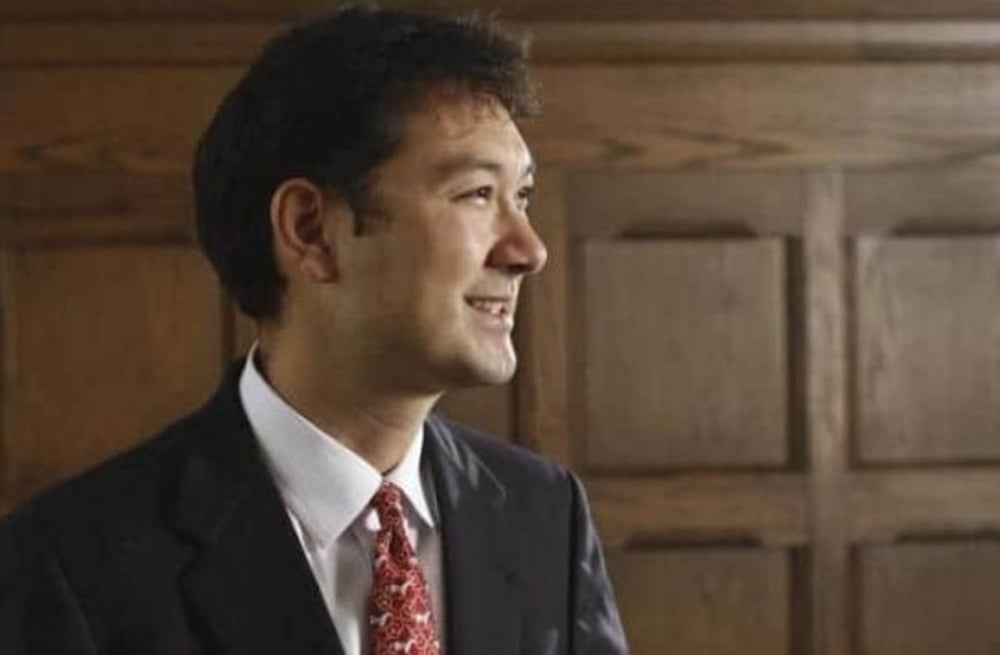
Marshall Gramm, who also operates horse-racing ownership syndicate Ten Strike Racing, is accused of obtaining confidential health information on thousands of racehorses and allegedly using it to gain an advantage in betting and claiming horses, allegations he denies.
HISA has formally charged Gramm with fraud and unauthorized access over his alleged acquisition of horse-health information that he was not authorized to view. The authority is considering sanctions that could include a lifetime ban from thoroughbred racing.
Thousands of Records Accessed
HISA alleges Gramm “deliberately and methodically” obtained confidential veterinary information over a six-week period starting in early May. According to the authority, he developed an automated method to download records at scale “in a manner designed to mimic authorized activity to avoid detection.”
During that period, the professor participated in handicapping contests, placed pari-mutuel bets, and claimed racehorses, according to HISA.
HISA CEO Lisa Lazarus said Monday (August 17) that Gramm claimed nine horses during the period and investigators determined he had accessed confidential health information on each before the claims were made.
In a claiming race, every horse is effectively for sale at a predetermined price. Licensed owners can submit offers before the race, with the successful claimant purchasing the horse outright after it runs.
There must be significant consequences for individuals who violate the integrity of our rules and obtain and abuse confidential horse health information,” said Lazarus. “HISA will take every necessary step to fiercely protect the integrity of Thoroughbred racing and ensure that violators of our rules are punished appropriately.”
Professor Denial
On X, Gramm acknowledged accessing the data but strongly disputed HISA’s characterization of his actions.
“The information at issue was available through my authorized HISA account,” Gramm said in a statement. He said he used his own credentials, never attempted to conceal his identity, and “bypassed no security protocols or other safeguards.”
Gramm added that gathering large datasets was part of his work as a professor and data analyst and claimed he had not initially reviewed the full contents or understood the scope of the information he obtained.
He acknowledged poor judgment in failing to bring the vulnerability to HISA’s attention sooner.
Gramm, who has published extensively on horse-racing economics, teaches The Economics of Racetrack Wagering Markets at Rhodes. The course uses handicapping to explore concepts including probability, decision-making, price discovery, economics, and finance.

 Most Read

Another Shooting Near Las Vegas Strip Casino Injures Man
 972,133 views
Vintners Oppose Napa Valley Casino
555,786 views


Conversation (1 comment)