 Main menu


Crime & Scandals
North Korean Hackers Earned Millions Building Illegal Gambling Websites
Posted on: November 12, 2026, 10:12h.
Last updated on: November 12, 2026, 10:12h.


Key Points
- The criminal network earned $17.6 million selling 16 illegal gambling websites to South Korean operators between 2022 and 2024
- North Korean vocabulary in Telegram messages undermined one defendant's claim that he was unaware of the developers' origins
- A separate intelligence investigation uncovered North Korean developers charging $5,000 per gambling website and $3,000 monthly for maintenance


Three South Korean men have been imprisoned for helping North Korean hackers develop and distribute illegal gambling websites as part of a scheme that generated millions of dollars for the cash-strapped rogue state.
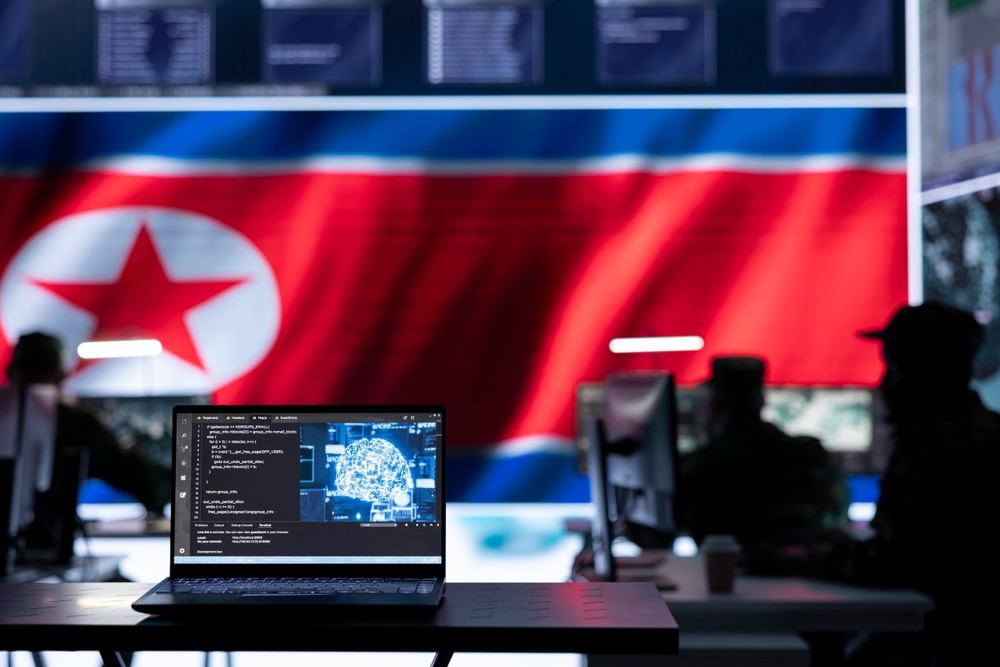
The Seoul Central District Court sentenced one defendant to four years in prison Thursday (Nov. 12), while two accomplices were handed three-year sentences.
The men were part of a criminal network that earned approximately 23.5 billion won ($17.6 million) selling 16 illegal gambling websites to South Korean operators between 2022 and 2024, according to South Korean news agency Yonhap.
More than 7 billion won ($5.2 million), or around 30% of the proceeds, was transferred to North Korean hackers who developed the software.
The ringleader, identified only by his surname, Kim, was earlier sentenced to five years in prison.
Sites Developed by North Korean Intelligence
The operation involved hackers associated with North Korea’s General Bureau 313 and the Reconnaissance General Bureau, organisations linked to the country’s intelligence and cyberwarfare operations.
Kim established contact with North Korean hackers in China and commissioned them to develop gambling software, including a mobile version of the slot-machine game Sea Story, also known as Bada Iyagi.
The agreement included website maintenance, technical support, and security management.
According to the Korea JoongAng Daily, the three accomplices helped market the software on social media platforms, including X and Telegram, promoting its relatively low development costs.
Investigators discovered that Kim had exchanged more than 1,100 messages with North Korean developers through Telegram and other channels to resolve technical problems.
Vocab Gave Game Away
One defendant, Kim’s younger brother, claimed he had been unaware that the developers were North Korean.
However, prosecutors pointed to distinctive North Korean vocabulary used in Telegram conversations, including sonjeonhwa, the North Korean word for mobile phone.
Two defendants were convicted of violating South Korea’s National Security Act and gambling-related offenses. The third was convicted of operating illegal gambling facilities.
In sentencing the men, the court emphasized the risks posed to South Korean national security and the wider social damage caused by illegal online gambling.
Money Machine
North Korea has long been accused of operating illegal gambling websites targeting South Koreans and supplying gambling software to criminal organizations south of the border.
In 2016, South Korean security researcher Yu Dong-yeol estimated that North Korea generated around $866 million annually from online gambling, software sales, and other illegal cyber businesses.
In 2024, South Korea’s National Intelligence Service exposed a North Korean software development operation based in Dandong, China, that allegedly charged $5,000 to build an illegal gambling website and $3,000 a month for maintenance.
The operation, reportedly linked to the North Korean regime’s clandestine fundraising organization Bureau 39, employed 15 developers who posed as Chinese nationals to obtain contracts.


 Most Read

Another Shooting Near Las Vegas Strip Casino Injures Man
 973,075 views

Vintners Oppose Napa Valley Casino
556,666 views


Conversation (0)
Be the first to comment on this article.