 Main menu

Financial
Pennsylvania Must Return Millions to Top Casinos, Per State Supreme Court Tax Ruling
Posted on: April 27, 2019, 05:00h.
Last updated on: April 27, 2019, 05:00h.


Pennsylvania’s Supreme Court has ruled the state must return millions of dollars to its most successful casinos because they were required to contribute to a special fund that would benefit competitors while receiving nothing in return.
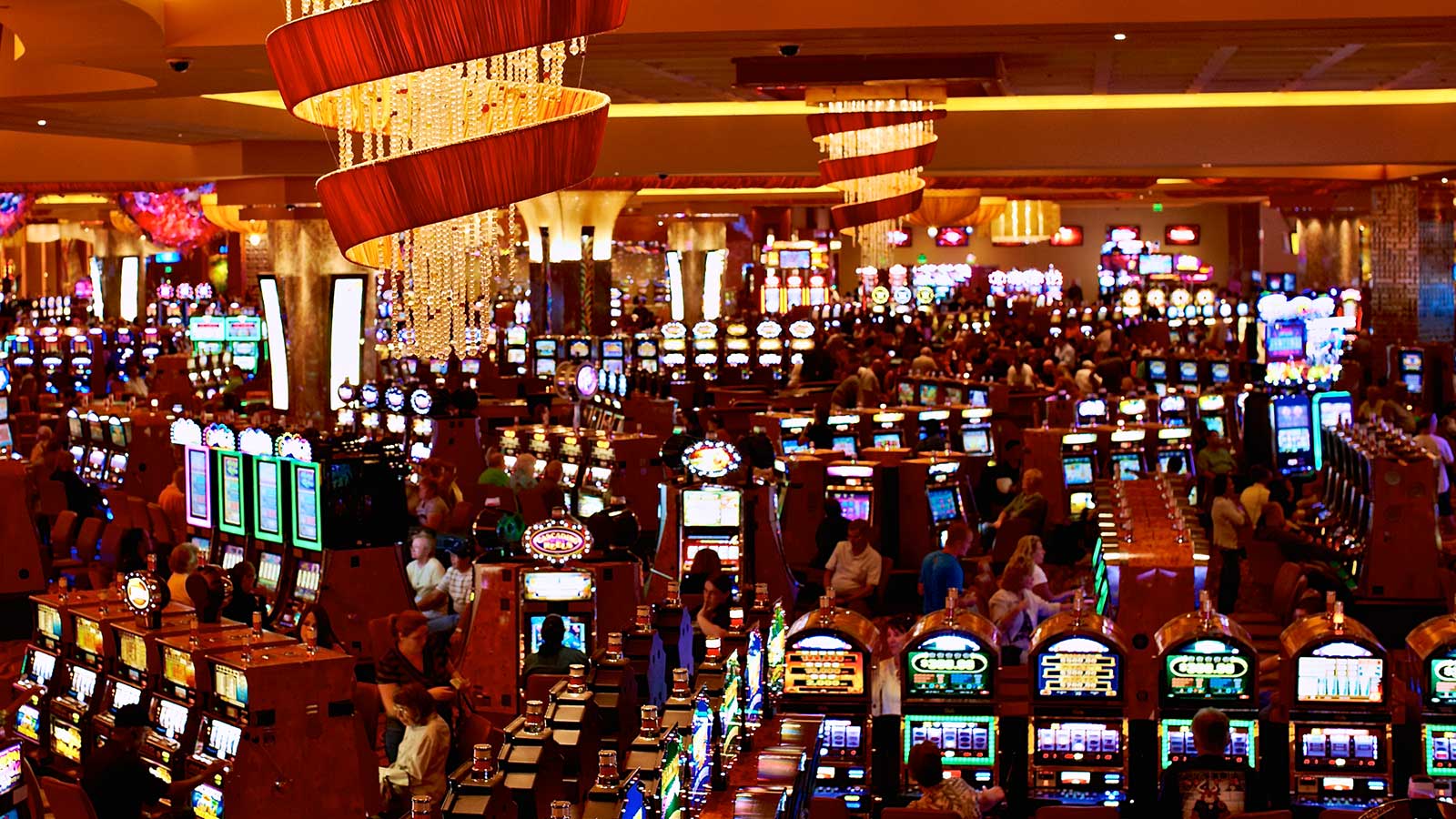
The state’s top court on Friday sided with its two best-performing casinos, Sands Bethlehem and Parx Casino, who argued that they should not have to pay a disproportionate tax to subsidize less profitable operations, like Mount Airy Casino Resort and Presque Isle Downs & Casino.
Pennsylvania’s 2017 gambling expansion package created something called the Casino Marketing and Capital Development (CMCD) Account into which all casinos in the already highly taxed jurisdiction were required to pay 0.5 percent of their slot machine revenue.
The program, known as Act 42, was to remain in operation for ten years or until all state casinos exceeded annual slot-machine revenue targets, whichever came first.
Funds were to be redistributed among casinos to boost marketing budgets and finance renovations and expansions, with the worst performers getting the most.
System Unconstitutional
Except the funds were never redistributed and now they never will be because they were put on hold pending the ruling of the Supreme Court, which has declared the system illegal.
Sands and Parx sued the state shortly after the enactment of Act 42, alleging it was a violation of state and federal constitutions.
Chief Justice Thomas Saylor agreed.
Act 42 establishes a system specifically designed so that the taxpayers who pay the least into the CMDC Account are the most likely to receive a mandatory distribution from that account (and the less they pay, the more they receive), and vice versa,” he wrote.
“Any advantage that a high-earning casino which does not qualify for an automatic distribution might receive from the gaming industry being ‘up and running’ throughout Pennsylvania is too speculative to be considered a benefit proportional to the amount of money it must pay into the (Act 42) account,” Saylor wrote.
Revenue Department spokesman Jeffrey Johnson told the Allentown Morning Call that his department was reviewing the decision. He said there was currently around $21 million in the fund although he could not provide a per-casino breakdown.
Tax Headache
This is not the first time a Pennsylvania casino tax program has been ruled unconstitutional by its Supreme Court.
In 2016, the court shot down the state’s “local share assessment” system, which directed all casinos outside of Philadelphia to pay 2 percent or $10 million – whichever was greater – of slot revenue to local communities.
On that occasion, it was the state’s weaker-performing casino that took umbrage, arguing the tax rates were differential and discriminatory against smaller operators.
The court ruled that they violated the uniformity clause of the US Constitution.

 Most Read

Another Shooting Near Las Vegas Strip Casino Injures Man
 972,749 views

Vintners Oppose Napa Valley Casino
556,352 views


Conversation (0)
Be the first to comment on this article.