 Main menu

Slots
Pennsylvania Bill Would Legalize Skill Games to Fund Homeowner Property Tax Relief
Posted on: September 2, 2026, 12:59h.
Last updated on: September 3, 2026, 05:54h.


Key Points
- State Rep. Russ Diamond introduced a plan to legalize and tax skill games at licensed Pennsylvania establishments
- The legislation imposes a 20% tax on skill-game revenue while directing 79% of all state gaming taxes to property tax relief
- Diamond estimates the tax overhaul could generate nearly $1 billion in annual relief for qualifying homeowners


A Pennsylvania lawmaker has unveiled a proposal to regulate controversial, slot-like skill games while channeling new gambling tax revenues directly toward homeowner property tax relief.
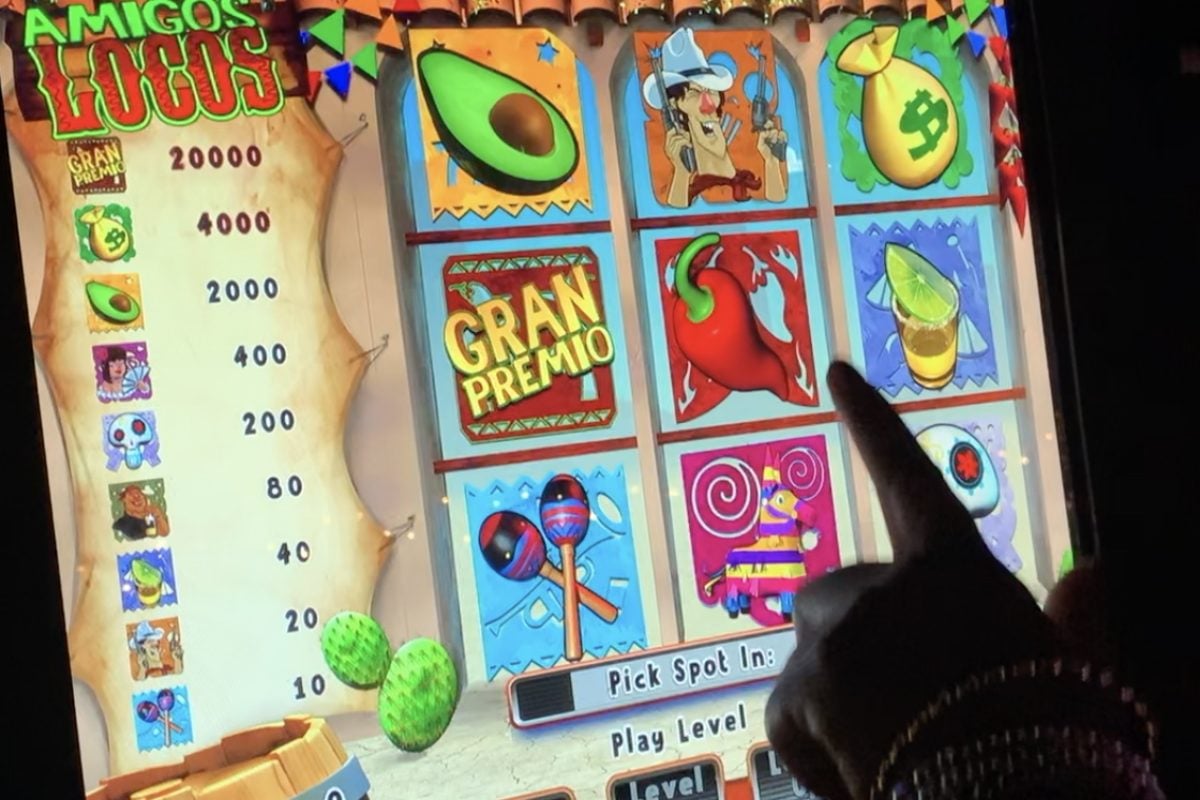
Pennsylvania Rep. Russ Diamond (R-Lebanon) plans to introduce legislation legalizing skill games in social clubs, restaurants, bars, and truck stops holding active licenses from the Pennsylvania Liquor Control Board.
“It’s been over 20 years since limited slot machine casinos were authorized to operate in Pennsylvania for the purpose of supporting the race horse industry and providing property tax relief to homeowners. Much has changed since the Race Horse Development and Gaming Act was first imagined by our predecessors,” Diamond wrote in a memo to his colleagues in Harrisburg.
Authorized legal gaming in the Commonwealth has been expanded to include table games, internet-based gaming, and sports wagering. With the recent Supreme Court ruling that unregulated skill games are slot machines, it’s time to make some necessary and much-needed changes,” Diamond said.
Diamond’s framework would permit qualified locations to operate up to five skill game terminals, levying a 20% tax on gross gaming revenue (GGR).
Gaming Tax Redirect
Beyond regulating skill games, Diamond is proposing a fundamental overhaul of how Pennsylvania distributes its gaming revenues. Despite collecting more gaming tax revenue than any other state due to its high tax brackets, Diamond argues current distribution models shortchange homeowners.
His proposal seeks to eliminate local share disbursements, redirecting those funds into statewide residential property tax relief. Under the proposed legislation, all tax revenue generated across all gaming verticals would enter the State Gaming Fund and be allocated as follows:
- 6.75% to the Race Horse Development Trust Fund
- 1% to the Compulsive and Problem Gambling Treatment Fund
- 79% to the Property Tax Relief Fund
- 13.25% to the General Fund
Under the existing model, local governments collected $545.6 million in 2025. Diamond’s bill would end those guaranteed local allocations, replacing them with broader property tax offsets funded by new skill game revenues.
Diamond estimates the restructuring would generate nearly $1 billion in additional revenue for the Property Tax Relief Fund. Had the model been active in 2025 alongside regulated skill games, roughly 2.87 million qualifying homeowners would have received a property tax rebate of $702.
Bill Future
Diamond, who serves as minority chair of the House Gaming Oversight Committee, plans to formally introduce the measure shortly while actively seeking co-sponsors.
However, the bill faces stiff resistance from municipal and county leaders—particularly those hosting brick-and-mortar casinos. Localities historically welcomed gaming developments in exchange for a 2% to 4% cut of monthly GGR proceeds.
If Diamond’s bill isn’t adopted, the Pennsylvania Supreme Court has ordered that skill games be turned off when its stay expires on Oct. 13, 2026.

 Most Read

Another Shooting Near Las Vegas Strip Casino Injures Man
 971,745 views
Vintners Oppose Napa Valley Casino
555,413 views


Conversation (1 comment)