 Main menu

Legal
Microgame Founder Can Sue Alleged Fraudsters Via Blockchain in UK Ruling
Posted on: July 14, 2022, 09:24h.
Last updated on: July 14, 2022, 03:47h.


An Italian online gambling pioneer who says he lost more than US$2.3 million in cryptocurrency to fraudsters can sue the alleged perpetrators via blockchain.
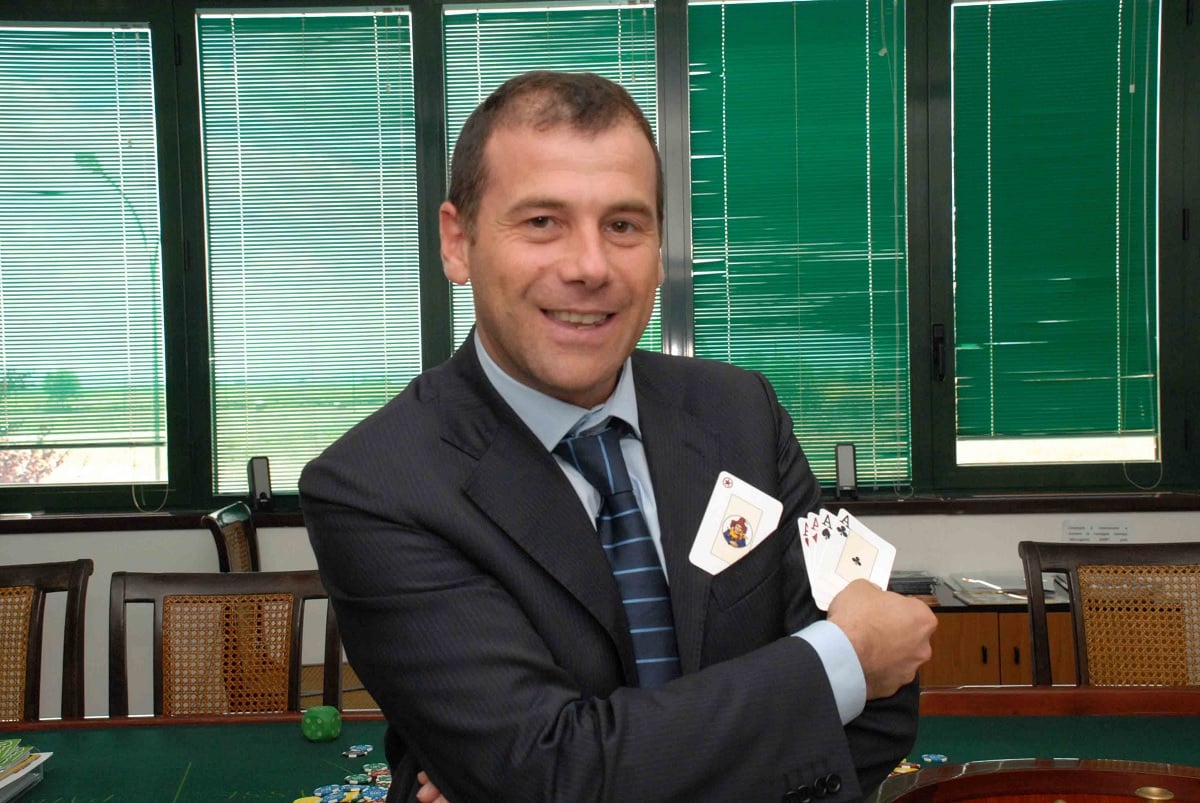
A London High Court has given Microgame founder Fabrizio D’Aloia permission to serve legal documents to the nameless alleged fraudsters. He will do so over the blockchain ledger using a non-fungible token (NFT). The ruling is the first of its kind outside the US
The judgment is significant because it allows victims of cryptocurrency fraud to pursue anonymous criminals through the UK courts.
D’Aloia launched Microgame, not to be confused with software provider Microgaming, in 1996. In 1998, Microgame was one of the first movers into the newly regulated Italian online sports betting market before subsequently launching online poker, bingo, and a casino when they also became legal. D’Aloia stepped down from an executive role within the company in 2013.
‘Persons Unknown’
D’Alioia is suing “persons unknown” who posed as the online brokerage TD Ameritrade with the website tda-finan.com.
He claims the fraudsters induced him to transfer over $2.1 million worth of Tether and about $225,000 of USD Coin from his crypto wallets to trade on the phony platform. The transactions took place from December 2021 to May 2022, when D’Aloia realized he had been duped.
Investigators hired by D’Aloia discovered that almost all of the stolen crypto has been transferred to several private addresses, as well as five exchanges.
D’Aloia is also suing the exchanges, Binance, Poloniex, gate.io, OKX (formerly OKEx), and Bitkub, claiming they hold his identifiable cryptocurrency as constructive trustees.
A constructive trustee is a party that holds a legal asset that they should not possess due to unjust enrichment or interference, for example.
The judge, Mr. Justice Trower, found there was a “good arguable case” of constructive trustee liability on behalf of the crypto exchanges. D’Aoia’s lawyers, Giambrone & Partners, said in a statement that the significance of this judgment could “not be overstated.”
“Should cryptocurrency exchanges act contrary to such orders and fail to ringfence the identifiable cryptocurrency, they risk being held liable for breach of trust,” the firm explained.
‘NFT Airdrop’
Trower said proceedings would be served to the fraudsters in the form of an NFT “airdrop” into the tda-finan wallets. These were the wallets into which D’Aloia was allegedly tricked into transferring his cryptocurrency.
There can be no objection to it,’ Trower said. ‘Rather, it is likely to lead to a greater prospect of those who are behind the tda-finan website being put on notice of the making of this order, and the commencement of these proceedings.”
Giambrone & Partners praised the ruling as a “welcome example of a court embracing new technology.”
It follows a similar judgment made in the Supreme Court of the State of New York on June 2 this year.

 Most Read
Another Shooting Near Las Vegas Strip Casino Injures Man
 972,791 views

Vintners Oppose Napa Valley Casino
556,392 views


Conversation (0)
Be the first to comment on this article.