 Main menu

Commercial Gaming
Connecticut Committee Advances Sports Betting, Plus Bridgeport and East Windsor Casino Bills
Posted on: March 20, 2019, 04:36h.
Last updated on: March 20, 2019, 04:36h.


A glut of Connecticut gambling expansion bills advanced from the Public Safety and Security Committee in Hartford on Tuesday, with the understanding that the legislature still has a lot of refining to do.
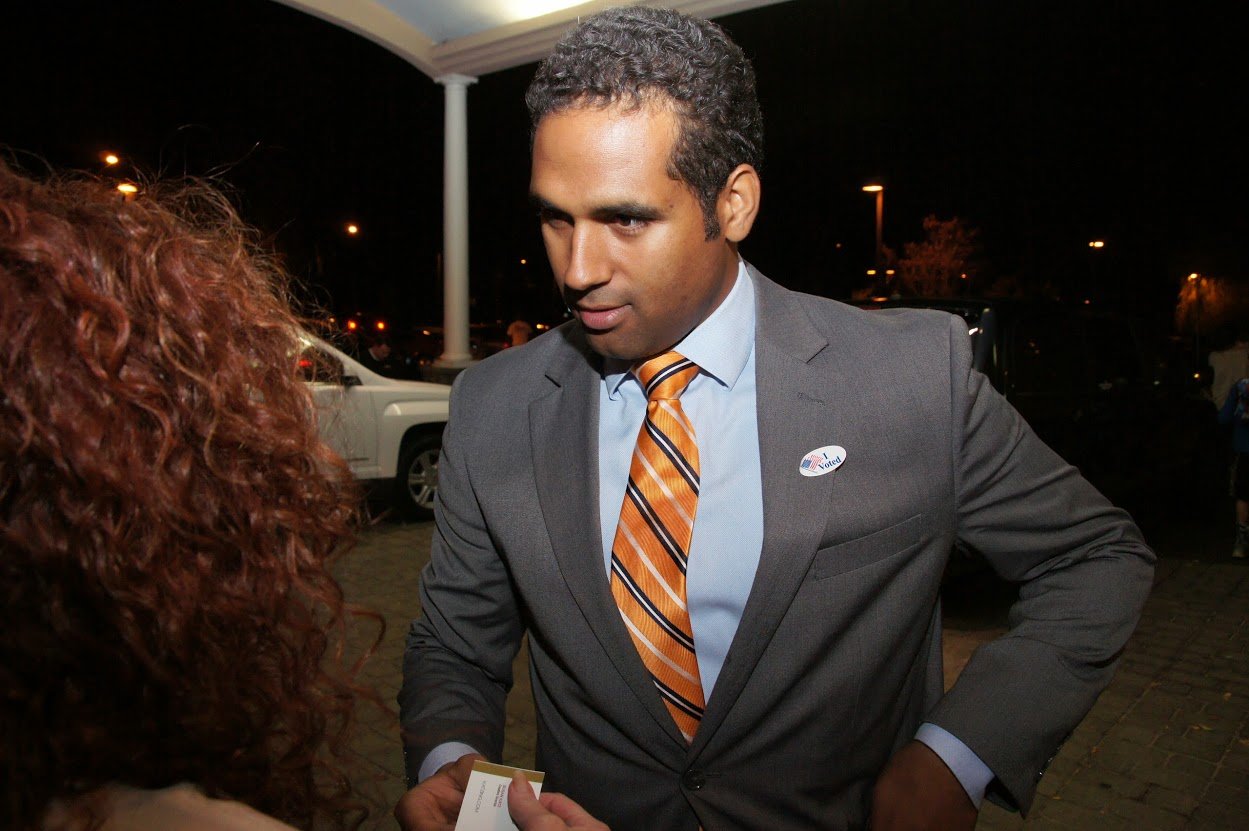
Rep. Pat Boyd (D-Pomfret) described the hearing as “chapter two of a pretty long book,” after the committee approved bills that would authorize a tender process for a commercial casino in Bridgeport in southeast Connecticut, as well as allowing the state’s two tribal operators to build a casino in the north of the state, in East Windsor, without federal approval.
But the bill that garnered most attention was one that would authorize the state’s two casinos to offer sports betting, as well as its off-track betting sites and lottery corporation.
The legislation was introduced only last week by Rep. Joe Verrengia (D-West Hartford) and was described as “tempered and measured” by co-chair of the committee Sen. Dennis Bradley (D-Bridgeport), who added the committee was prepared to “test the waters” on sports betting.
Bills that would legalize online casino gaming, internet keno, and online state lottery draw games were also advanced on Tuesday.
Crucial Negotiations
But none of these bills can be enacted until new compacts are negotiated between Governor Ned Lamont and the state’s two tribal operators, the Mashantucket Pequots and the Mohegans.
The state’s new governor is pro sports betting, but he must tread carefully during talks with the tribes. At stake is the $250 million or so they give to the state each year in revenue-share payments.
The tribes have made their stance on sports betting clear. They believe it should be classified as a “casino game,” which would grant them exclusivity under the terms of their compacts.
But because the tribes are desperate to build a casino in East Windsor — which would be the first casino in Connecticut off tribal land if it eventually goes ahead — and are equally desperate to quash a proposal of a commercial casino in Bridgeport, there may be room for negotiation on all fronts.
Political Pressure
The East Windsor proposal has been described as a “satellite casino” because it is largely designed to deflect competition from the new MGM Springfield 12 miles away, across the border in Massachusetts.
The project has been approved by the Connecticut legislature but the application to get sign off from the DOI stalled, deliberately, claim the tribes. The two operators have sued the department, accusing it of illegally blocking the casino’s approval in the face of political pressure from MGM.
The FBI has turned over evidence to a federal grand jury that suggests former Secretary for the Interior Ryan Zinke may have lied to the DOI watchdog investigating the claims.
MGM has argued that the legislature’s approval of the East Windsor casino was a violation of the Commerce Clause in the US Constitution because it bars out-of-state rivals from competing to develop casinos in the state, discriminating in favor of the two tribes.
The casino giant suggested a better location for the casino would be in southeast Connecticut and then — to the tribes’ horror — offered to invest $675 million into build one of its own, in Bridgeport.
That proposal has gathered local support, but may be a long shot in the legislature, which will seek to protect its revenue payments from the tribes — but it may become a useful bargaining chip in those all-important compact negotiations.

 Most Read
Another Shooting Near Las Vegas Strip Casino Injures Man
 972,739 views

Vintners Oppose Napa Valley Casino
556,339 views


Conversation (0)
Be the first to comment on this article.