 Main menu

Crime & Scandals
Wirecard Fugitive Jan Marsalek’s Grandad was ‘Russian Agent,’ Document Claims
Posted on: March 29, 2023, 01:38h.
Last updated on: March 30, 2023, 10:19h.


Wirecard fugitive Jan Marsalek’s grandfather was a suspected Russian spy, The Financial Times has learned. The revelation could shed light on the executive’s behavior in the lead-up to the fintech giant’s spectacular collapse, and his subsequent flight to Moscow.
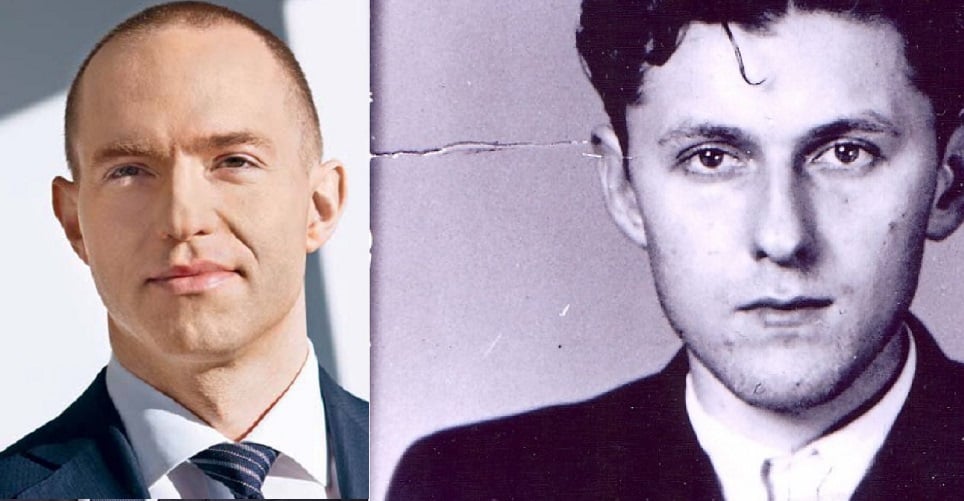
Former Wirecard COO Marsalek disappeared in the summer of 2020 amid accusations of fraud and false accounting that sparked Germany’s “Fraud Trial of the Century.”
Now, the Austrian-born executive is one of the world’s most wanted men. He left Germany on June 23, 2020, booking a flight to Manila. But his trip was a false trail.
An investigation by Philippine authorities found someone had forged immigration records in Manila to make it appear Marsalek had entered the country. In fact, he had flown to Minsk, Belarus, just hours after being fired by Wirecard, according to an investigation by Bellingcat, Der Spiegel, and The Insider.
From there, he made his way to Moscow, where he is believed to be hiding out under the supervision of the GRU, Russia’s military intelligence.
Double Life
Western intelligence agencies are intrigued by Marsalek’s links to Russia and whether he himself was a Russian agent.
The former executive appeared to be leading a double life in the lead-up to Wirecard’s demise. He made numerous short trips to Russia, at times on an almost monthly basis, using multiple passports, including a diplomatic passport.
He’s also known to have met several Russian intelligence operatives during this time, and to have bribed officials in Austrian intelligence and the military. He appeared to be involved in shadowy projects involving Russian mercenaries in Libya and other Middle Eastern countries.
Soviet Plot
The clue may lie in Marsalek’s family history. His paternal grandfather, Hans Marsalek, was an anti-Nazi resistance fighter during WW2 who spent time in a concentration camp. After the war, he joined the Austrian political police and helped to track down former Nazi officials.
During the Cold War, Austrian authorities began to suspect that Hans Marsalek was a Soviet asset.
A formerly secret document from 1956 unearthed in Austria’s state archives reveals an “urgent suspicion” that Hans Marsalek was a Russian spy, The FT reports.
The document claimed there was evidence that he had been involved in a Soviet plot to kidnap four people to take them back to Moscow. There they would be interrogated, tortured, and imprisoned. One was a US agent.
Hans Marsalek was never prosecuted for espionage and lived to a ripe old age. He died in 2011, a year after his grandson began his role as COO at Wirecard.
“This is a vital piece of information,” Austrian historian Thomas Riegler, who discovered the document, told The FT. “It sheds new light on Jan Marsalek and indicates that his obvious fascination with intelligence stems from his family history.”
Fall of Wirecard
Wirecard started out in the 1990s as a payment processor for online gambling and porn transactions. By 2018, it had a market cap of €22 billion ($25 billion). But the company’s value was being manipulated, according to German prosecutors.
In 2020, auditors reported that €1.9 billion (US$2 billion) in cash balances mentioned in Wirecard’s accounts appeared to be missing. The company later admitted it “probably never existed.”
Prosecutors allege Marsalek is a key figure in the plot and was running a “shadow operation” that siphoned money out of Wirecard. The company’s former CEO, Markus Braun, is currently on trial, along with others, on charges that include “gang-related fraud.” Braun denies these charges.

 Most Read
Another Shooting Near Las Vegas Strip Casino Injures Man
 972,743 views

Vintners Oppose Napa Valley Casino
556,346 views


Conversation (0)
Be the first to comment on this article.